
How to Use Soft Items and Padding (Towels, Pillows, Clothes) in Your Packing Strategy
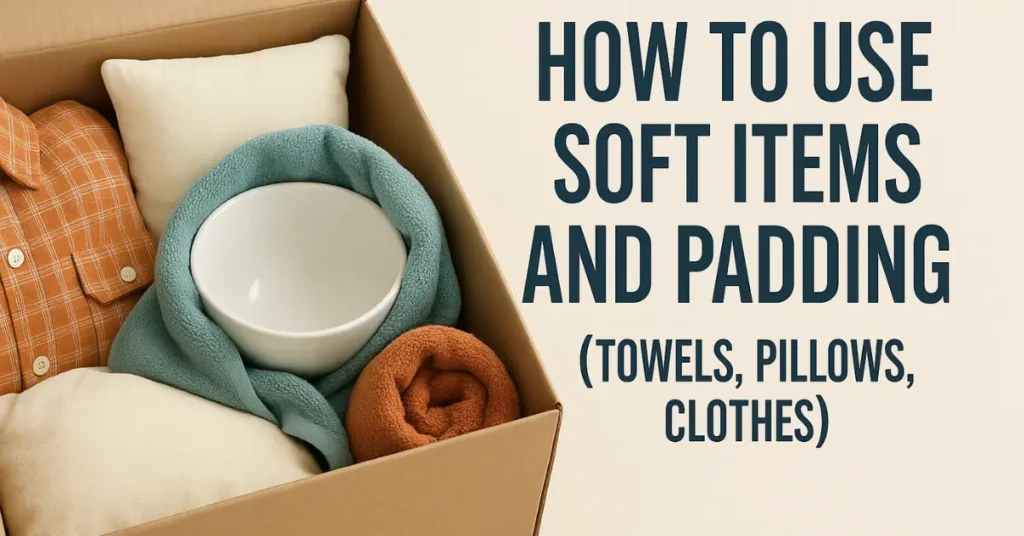
Packing doesn’t always require expensive bubble wrap, foam rolls, or specialised cushioning—your home already has some of the best and most eco-friendly packing materials available. Towels, pillows, bedsheets, dupattas, hoodies, T-shirts, and even stuffed toys can be turned into high-value padding to protect your fragile items while reducing your overall packing budget. Professional movers and packers often highlight that soft household items can act as natural shock absorbers, maintain box stability, and fill empty spaces to prevent movement during transit. Using these materials smartly helps you save money, reduce packing waste, and pack more efficiently—especially during long-distance or local house shifting. This guide breaks down practical, proven methods for using soft items strategically to protect breakables, increase space efficiency, and maintain a well-organised packing structure. While DIY packing with soft items works well, hiring experienced packers and movers ensures fragile items are handled professionally during transit.
Why Soft Items Are a Smart, Cost-Saving Packing Tool
Soft household items offer a dual benefit—they protect fragile belongings and reduce the need for extra packing materials, ultimately lowering your moving expenses. Everyday fabrics naturally provide shock absorption, helping you minimise the use of bubble wrap or foam sheets. This approach is especially useful for budget-conscious or eco-conscious movers.
For households relocating in Visakhapatnam, professional packers and movers in Visakhapatnam often combine soft-item packing with advanced protective methods for safer transport.
Key Benefits of Using Soft Items
- Eliminates or reduces the need to buy bubble wrap, foam rolls, and additional cushioning
- Protects fragile items through natural padding
- Saves space by combining storage + cushioning in one
- Reduces waste generated from disposable packing materials
- Makes each box lighter by replacing heavy fillers
How Soft Items Support Box Stability
Soft materials like towels, clothes, and bedsheets help minimize the movement of items inside a box. Movement is the biggest risk factor during transit—objects collide and break when there’s empty space. Using soft items as fillers prevents shaking and enhances structural integrity.
Cost Comparison: Soft Items vs. Traditional Packing Materials
Packing Material | Estimated Cost | Purpose | Can It Be Replaced by Soft Items? |
Bubble Wrap | ₹300–₹500/roll | Fragile protection | Yes, for most household items |
Foam Sheets | ₹250–₹400 | Cushioning fragile items | Yes, with towels & clothes |
Thermocol | ₹200–₹300 | Shock absorption | Partially |
Towels / Bedsheets (Existing) | ₹0 | Wrapping & padding | Fully |
Clothes (Existing) | ₹0 | Fragile wrapping | Fully |
Soft items reduce your dependency on buying new material and optimise space—making them a top choice for cost-effective moving.
Towels as Protective Padding for Fragile Items
Towels are one of the most effective and budget-friendly substitutes for bubble wrap when packing fragile items. Their thickness, absorbency, and soft texture make them ideal for wrapping glassware, plates, bowls, lamps, photo frames, and decorative items. Using towels as padding helps prevent scratches, cracks, and impact damage during transit, while also reducing your overall packing material cost.
Why Towels Work Better Than Many Traditional Materials
- Thick cotton layers absorb shock during vibrations or bumps
- Naturally flexible, allowing full coverage around odd-shaped items
- Reduce friction, preventing scratches on glossy items
- Double utility—they are used for packing and also transported as regular household items
How to Use Different Types of Towels for Packing
Towel Type | Best Use Case | How to Use |
Bath Towels | Large fragile items (vases, large bowls, electronics) | Wrap fully and secure with tape or string |
Hand Towels | Medium items (cups, small frames, jars) | Wrap once and place vertically in box |
Face Towels | Delicate items (glass lids, ornaments) | Use as small padding reinforcement |
Microfiber Towels | Electronics & screens | Provides scratch-free surface |
Smart Ways to Use Towels During Packing
1. Wrap Fragile Kitchenware
- Stack plates vertically with a towel between each
- Wrap glasses individually in hand towels
- Secure towel ends with rubber bands
- Add a base layer of rolled towel at the bottom of the box
2. Create Impact-Proof Layers
Place towels at the:
- Bottom of fragile-item boxes (shock absorption)
- Sides to prevent collisions
- Top to stop shifting during transit
3. Protect Lamps, Décor & Electronics
- Wrap lampshades with a soft bath towel
- Use microfiber towels for screens to avoid scratches
- Roll towels around decorative items like candle holders and figurines
Common Mistakes to Avoid
- Avoid using wet or damp towels—this can cause mould
- Don’t wrap excessively heavy items (like very large appliances) using towels alone
- Do not leave gaps; towels must be snug to prevent movement
- Ensure boxes are not overfilled, as towels can add bulk
Even with careful packing, accidental damage can occur, which is why understanding what transit insurance covers during house shifting is important.
Using Pillows for Cushioning and Void Filling
Pillows are one of the most effective natural shock absorbers you can use during packing. Their soft filling, thickness, and flexibility make them ideal for protecting delicate items and filling empty spaces inside moving boxes. This prevents shifting, which is one of the primary causes of breakage during transport. Many professional packing guides highlight that pillows can be used strategically at the top, bottom, and sides of boxes to reinforce cushioning.
Why Pillows Are Perfect for Void Filling
- Lightweight yet bulky, allowing them to fill large empty spaces
- Excellent shock absorption, especially during bumps and vibrations
- Ideal for protecting larger fragile items, such as decor pieces or small appliances
- Dual-purpose utility—they are both packing material and household items you’re already moving
Best Ways to Use Pillows for Packing Protection
1. As Top and Bottom Cushioning
Place a pillow at the bottom of a large box as a soft base layer. This protects fragile items—like electronics, small mirrors, and decor—from impact if the box is dropped or bumped.
Similarly, adding a pillow on top seals the box tightly, preventing movement.
2. Between Electronics and Fragile Decor
Use throw pillows to separate:
- Monitors and laptops
- Photo frames and wall art
- Ceramic decor and lamps
- Gaming consoles and routers
This creates natural partitions, reducing the risk of crushing or scratching.
3. Inside Suitcases and Duffel Bags
To maximize space:
- Pack extra pillows inside suitcases
- Place socks or small towels inside pillowcases
- Use pillows as dividers to stabilize items in soft bags
These methods optimize both space and protection.
Using Different Types of Pillows for Packing
Pillow Type | Best For | Packing Method |
Sleeping Pillows | Base and top cushioning | Lay flat at bottom or top of box |
Throw Pillows | Side padding, void filling | Place at edges to block movement |
Travel Pillows | Wrapping small fragile decor | Curve around items |
Cushion Inserts | Electronics & appliances | Use between screens or hardware |
Mistakes to Avoid
- Avoid stuffing pillows tightly around heavy items—they may compress too much
- Don’t place sharp-edged items directly against pillows
- Ensure the box is sealed firmly; pillows expand and may push the lid upward
- Avoid using pillows in damp or humid conditions to prevent odor buildup
Packing Clothes to Protect Breakables
Clothes are one of the most versatile and cost-saving packing materials you already own. From T-shirts and hoodies to sarees, dupattas, and jeans, each fabric type can be used to wrap, cushion, and stabilise fragile items. Professional packing guides consistently mention that casual clothing can replace most bubble wrap for dishes, glassware, and other delicate household items.
Using clothes for packing not only saves money but also helps you reduce the total number of boxes by combining storage and protection into one.
Why Clothes Are Ideal for Protecting Fragile Items
Benefits
- Soft and flexible, easily wrapping around odd-shaped items
- Zero cost, since you’re reusing items you already own
- Covers wide surfaces, preventing scratches and cracks
- Reduces packing waste, making your move more eco-friendly
- Adds box stability, especially for kitchenware and decor
How to Use Different Types of Clothing for Packing
Clothing Type | Best Use Case | How to Use |
T-Shirts | Plates, bowls, small frames | Wrap item inside shirt and fold edges inward |
Hoodies / Sweatshirts | Fragile decor, electronic gadgets | Cushion electronics inside the hood |
Sarees / Dupattas | Large fragile items, lamps, idols | Wrap multiple layers for full coverage |
Jeans | Edge protection, box reinforcement | Roll jeans and line the box edges |
Woolens | Extra padding for delicate items | Place between stacked fragile objects |
Children’s Clothes | Small decor pieces | Wrap individually and place in compartments |
Practical Methods for Using Clothes as Packing Material
1. Wrapping Breakable Kitchenware
- Wrap plates individually using T-shirts
- Use dupattas to wrap multiple glass bowls
- Place rolled jeans around the inside walls of the box
2. Protecting Electronics
- Wrap consoles, routers, and speakers in soft hoodies
- Use thick woolens between screens and cables
- Place small cloth items inside empty spaces around gadgets
3. Layering and Filling Gaps
- Use shirts to layer between stacked items
- Use jeans or sweaters to fill box corners
- Ensure clothes are snug enough to prevent movement
Mistakes to Avoid
- Avoid wrapping items in clothes that shed lint
- Don’t use delicate or expensive outfits for padding
- Avoid overstuffing boxes—even clothes add weight
- Don’t use clothes with metal zippers/buttons directly against fragile items
Combining Soft Items with Hard Containers for Maximum Efficiency
Using soft items (towels, pillows, clothes) together with hard containers such as suitcases, trolleys, trunks, plastic bins, and even kitchen pots is one of the smartest ways to maximise packing efficiency. This combined strategy helps you use every cubic inch of available space while offering natural protection for fragile items. Professional packing guides emphasise placing soft items inside sturdy containers to maintain stability and prevent damage from shocks during transport.
This method is especially useful for reducing the number of boxes and keeping your load balanced.
Why Combine Soft Items with Hard Containers?
Key Advantages
- Enhanced stability: Hard containers prevent crushing, while soft items inside absorb shock
- Saves space: Soft items fit into the empty gaps of suitcases and storage bins
- Dual usage: Clothing and linens double as padding instead of occupying separate bags
- Reduces box count: More belongings fit into existing luggage and containers
- Provides better organisation: Everything stays grouped by room or category
Smart Ways to Use Hard Containers with Soft Padding
1. Suitcases & Trolleys
Suitcases are designed to handle pressure and movement. You can utilise them to protect delicate or medium-weight items.
How to use:
- Place a pillow or thick towel at the bottom
- Add wrapped items (electronics, decor, small kitchen appliances)
- Fill empty spaces with T-shirts or scarves
- Place soft items on top before closing
2. Duffel Bags & Backpacks
These are flexible containers perfect for soft layers and medium-weight items.
Best uses:
- Wrap gadgets with sweatshirts
- Fill sides with rolled jeans
- Use socks and hand towels to fill corners
3. Plastic Storage Bins
Bins offer maximum protection against moisture and compression.
How to pack:
- Line the sides with bedsheets
- Place fragile items in the center
- Use clothes as top padding to lock items in place
4. Kitchen Pots, Buckets & Containers
Hard kitchen containers can be used creatively to hold smaller fragile items.
Ideas:
- Place spices or glass jars inside a cooking pot lined with microfiber towels
- Fill large buckets with wrapped candles, aroma diffusers, or decor
- Secure the lid with tape to avoid movement
Best Container + Soft Item Combinations
Hard Container | Soft Item to Pair | Best For |
Suitcase | Pillows, sweaters | Electronics, decor, framed items |
Backpacks | T-shirts, hoodies | Gadgets, cables, small breakables |
Plastic Bins | Bedsheets, towels | Kitchenware, glass jars, bowls |
Pots & Buckets | Microfiber towels | Spices, small glass items |
Trolleys | Sarees, dupattas | Lampshades, taller decor |
Space-Saving Techniques That Reduce the Number of Boxes
One of the most effective ways to cut moving costs is by reducing the total number of boxes you use. Soft items—like towels, clothes, pillows, bed linens, and blankets—can significantly shrink your packing volume by serving both as protective padding and space fillers. Professional packing recommendations strongly emphasize using soft items inside boxes, containers, and suitcases to eliminate empty spaces and minimize box usage.
The goal is simple: pack smarter, not more.
Top Space-Saving Techniques
1. Rolling Instead of Folding
Rolling clothes saves more space than flat folding. It also creates firm cylindrical shapes that work well as gap fillers in boxes.
Benefits:
- Reduces wrinkles
- Compact shape fits into corners
- Helps stabilize packed items
2. Using Compression Bags
Compression bags are ideal for bulky items like blankets, duvets, sweaters, and jackets.
How they help:
- Remove excess air, shrinking volume by up to 60%
- Fit easily into suitcases or bins
- Free up more box space for fragile items
3. Layering Soft Items Between Fragile Items
Instead of using foam sheets, layer soft fabrics like T-shirts, dupattas, or cotton towels between plates, glass bowls, or frames.
Benefits:
- Reduces breakage
- Uses fabric instead of extra boxes
- Keeps fragile items compactly stacked
4. Combining Clothes With Empty Spaces
Make use of unused spaces inside:
- Shoes
- Pots and pans
- Duffel bags
- Travel pouches
- Empty drawers (if safe to transport)
Stuffing socks or scarves inside these spaces reduces the need for extra packing boxes.
5. Filling Void Space Inside Boxes
Every box should be packed tight without overloading it.
Use soft items to fill:
- Corners
- Edges
- Spaces between stacked fragile items
- Gaps beside kitchen appliances
- Upper layers before sealing
This prevents movement, protects items, and ensures each box carries more without extra materials.
Using fewer boxes and efficient packing directly impacts your overall moving budget, as explained in this packers and movers cost guide.
Mistakes to Avoid
- Avoid mixing heavy and light items in the same box
- Don’t compress clothes with fragile items inside the same bag
- Avoid leaving air gaps—movement causes breakage
- Do not overstuff compression bags; seams may tear
When NOT to Use Soft Items for Packing
While towels, clothes, and pillows are excellent low-cost packing materials, they are not suitable for every item or situation. Using them incorrectly can lead to crushed boxes, damaged electronics, mould growth, or broken fragile items. Several professional packing guides highlight that soft items should be used strategically—not as a universal replacement for protective materials.
This section helps you understand when not to depend on soft household items.
Situations Where Soft Items Should NOT Be Used
1. Packing Heavy or Sharp Items
Soft fabrics cannot provide rigid support for:
- Large appliances
- Heavy tools
- Sharp-edged metal pieces
- Hardware or industrial items
Sharp corners may tear fabric and damage nearby fragile items.
2. Protecting Extremely Delicate or High-Value Items
Some items require dedicated protection instead of improvised padding:
- Large mirrors or glass table tops
- Expensive electronics
- Antique decor
- Artwork or photo frames
These require specialised packing materials, rigid padding, and sometimes wooden crates.
3. Using Damp or Unwashed Soft Items
Moisture trapped inside towels or clothes can cause:
- Mildew
- Bad odour
- Fabric staining
- Damage to paper, books, photos, or documents
Professional guidelines warn that humidity can encourage mould growth during transit.
4. Overstuffing Boxes With Soft Items
Filling boxes with too many clothes or towels can:
- Make the box heavier than expected
- Cause box bottoms to collapse
- Increase strain during lifting
- Push box flaps upward, preventing proper sealing
Heavy boxes are more likely to tear during loading.
Common Packing Mistakes to Avoid
Mistake | Why It’s a Problem | Safer Alternative |
Using soft items for sharp objects | They tear easily and can damage nearby items | Use bubble wrap or cardboard padding |
Wrapping electronics only in clothes | Insufficient shock absorption | Combine clothes + rigid padding |
Using wet towels/clothes | Causes mould and odour | Only use fully dry, clean items |
Overfilling a box with soft items | Box may become too heavy or unstable | Distribute soft items across boxes |
Key Takeaway
Soft items are excellent helpers—but only when used with the right items. They cannot replace professional packing materials for fragile, heavy, or high-value belongings.
Eco-Friendly Moving Benefits of Using Household Soft Items
Using towels, pillows, and clothes as packing materials isn’t just cost-effective—it’s also one of the most environmentally friendly ways to move. Instead of buying disposable materials like bubble wrap, thermocol, or foam sheets, you repurpose items you already own. Many moving guides highlight that using household fabrics dramatically reduces waste and lowers your environmental footprint.
This approach turns your relocation into a greener, smarter, and more sustainable process.
How This Packing Strategy Helps the Environment
1. Reduces Single-Use Plastics
Most traditional packing materials—bubble wrap, foam sheets, stretch film—are made from plastics that take years to decompose.
By using towels, clothes, and bedsheets:
- You reduce plastic consumption
- Cut down non-recyclable waste
- Minimize overall trash during unpacking
2. Encourages Reuse Instead of Purchase
When you reuse fabric items as padding:
- You avoid buying new packing products
- You decrease transportation waste caused by manufacturing and shipping
- You turn everyday household textiles into multi-purpose tools
3. Lowers Carbon Footprint
Less material = fewer boxes
Fewer boxes = fewer transport trips (or lighter vehicle load)
This results in:
- Lower fuel consumption
- Reduced carbon emissions
- Less energy used in transportation
4. Supports Zero-Waste Packing Methods
Zero-waste moving focuses on:
- Reusing what you have
- Avoiding disposable materials
- Choosing sustainable fillers
Soft items perfectly match all three goals.
Eco-Friendly Packing Techniques Using Soft Items
Technique | Soft Item Used | Eco Benefit |
Wrapping breakables with clothes | T-shirts, sarees | Eliminates bubble wrap |
Cushioning boxes with towels | Bath towels, hand towels | Reduces foam & thermocol |
Filling suitcases with soft padding | Pillows, sweaters | Reduces extra boxes |
Layering plates using linens | Dupattas, bedsheets | Zero plastic usage |
Simple Tips for a Greener Move
- Use old clothes that you don’t frequently wear
- Repurpose microfibre towels instead of throwing them away
- Avoid buying new cardboard boxes unless necessary
- Donate unused packing material after your move
- Reuse compression bags and cloth bags whenever possible
Eco-friendly packing doesn’t mean compromising on protection. Soft items offer excellent cushioning while ensuring your move stays light on the planet.
Step-by-Step Packing Checklist Using Soft Items
This step-by-step checklist helps you use soft items—towels, pillows, clothes, bedsheets, and blankets—efficiently and safely during packing. By following this organised flow, you’ll minimise breakage, reduce the number of boxes, and save on packing material costs. These steps combine proven packing techniques recommended across professional moving guides.
STEP 1: Sort Your Soft Items by Thickness & Purpose
Before packing, divide your soft items into groups:
Category Breakdown
- Thick items: Pillows, quilts, hoodies, blankets
- Medium items: Towels, bed linen, cotton dupattas
- Thin items: T-shirts, scarves, kids’ clothes
This helps you match each category with specific fragile items for best protection.
STEP 2: Prepare Fragile Items That Need Padding
Identify fragile belongings such as:
- Plates, glasses, jars
- Lamps, showpieces, decor
- Electronics and small appliances
- Frames and collectibles
Place them on a flat surface so you can wrap each item efficiently.
STEP 3: Pair Soft Items With Fragile Items
Examples of Pairing
Fragile Item | Best Soft Item | How to Wrap |
Plates & Bowls | T-shirts, dupattas | Wrap individually and stack vertically |
Glassware | Hand towels | Wrap and secure with rubber bands |
Electronics | Hoodies, pillows | Place electronics inside the hood or between pillows |
Photo Frames | Bedsheets | Wrap with 2–3 layers for impact absorption |
STEP 4: Use Soft Items as Void Fillers
As you pack boxes:
- Line the bottom with a towel
- Add fragile items
- Fill corners with rolled jeans or kids’ clothes
- Add a pillow or thick cloth layer at the top
This prevents movement and stabilises the box.
STEP 5: Pack Soft Items Into Hard Containers
Use suitcases, duffel bags, plastic bins, and empty drawers.
Tips:
- Place fragile items wrapped in soft items inside suitcases
- Use large bedsheets as a lining for entire bins
- Fill shoes, pots, and buckets with socks and smaller cloths
STEP 6: Label Boxes Clearly
Mark boxes as:
- FRAGILE
- GLASS ITEMS
- KITCHENWARE
- ELECTRONICS
Also write “Soft Padding Inside” to alert movers to handle gently despite reduced plastic cushioning.
STEP 7: Final Pre-Move Check
Before sealing:
- Shake each box slightly—items should not move
- Ensure boxes aren’t too heavy
- Confirm all soft items used are clean and dry
- Seal with double tape for added security
Final Thoughts — A Cost-Effective, Smart, and Sustainable Packing Strategy
Using soft household items—like towels, pillows, clothes, bedsheets, and blankets—as packing materials is one of the smartest, most cost-effective, and eco-friendly strategies you can adopt when preparing for a move. These items provide natural cushioning, absorb shocks, and fill empty spaces inside boxes, reducing the reliance on expensive materials like bubble wrap, foam rolls, or thermocol. Multiple professional packing references highlight that using fabrics you already own not only saves money but also helps create a stable, well-protected packing structure during transit.
This method is especially beneficial for families, budget movers, and anyone aiming for a greener, waste-free move.
Why This Strategy Works So Well
1. Saves Money
By replacing most store-bought packing materials with fabric items you already have, you significantly reduce overall moving expenses. Whether you’re wrapping fragile kitchen items in T-shirts or using pillows to cushion electronics, the cost savings add up quickly.
2. Protects Fragile Items Naturally
Soft items act as excellent shock absorbers. Towels, hoodies, bedsheets, and pillows fill gaps, stabilize boxes, and reduce the risk of breakage during handling and transport.
3. Reduces the Number of Boxes
When soft items are used intelligently, they double as padding and as packed belongings—leading to fewer boxes, lighter loads, and easier vehicle organization.
4. Eco-Friendly & Zero Waste
By avoiding plastic-based packing materials, you support sustainable moving habits. Reusing your own household fabrics cuts down on waste, reduces environmental impact, and eliminates the disposal hassle after the move.
Practical Summary
Benefit | How Soft Items Help | Result |
Cost saving | Replaces bubble wrap & foam | Lower moving expenses |
Protection | Cushions shock & fills gaps | Reduced breakage |
Space saving | Dual-purpose packing | Fewer boxes required |
Eco-friendly | Zero plastic usage | Sustainable moving |
Organised packing | Categorised soft padding | Easier unpacking |
Final Takeaway
A well-planned soft-item packing strategy ensures your move is safe, efficient, and budget-friendly. When combined with sturdy containers, proper layering, and thoughtful organisation, soft items can replace most traditional packing materials—making your relocation smoother and more sustainable.
Using soft household items—such as towels, pillows, bedsheets, dupattas and clothes—is one of the smartest ways to pack efficiently during a house move. These items naturally cushion fragile belongings, fill empty spaces, and reduce the need for expensive materials like bubble wrap or foam sheets. By integrating soft items into your packing strategy, you save money, cut down on waste, lower the number of boxes you need, and create a more organised and eco-friendly moving experience. This practical approach ensures safer transport, maximises space, and makes the entire relocation smoother and stress-free.
If you want a completely stress-free move without worrying about packing errors, working with verified professional packers and movers is the safest option.