
Car Transport in Enclosed Car Carrier vs Open Car Carrier: Which Is Better for You?
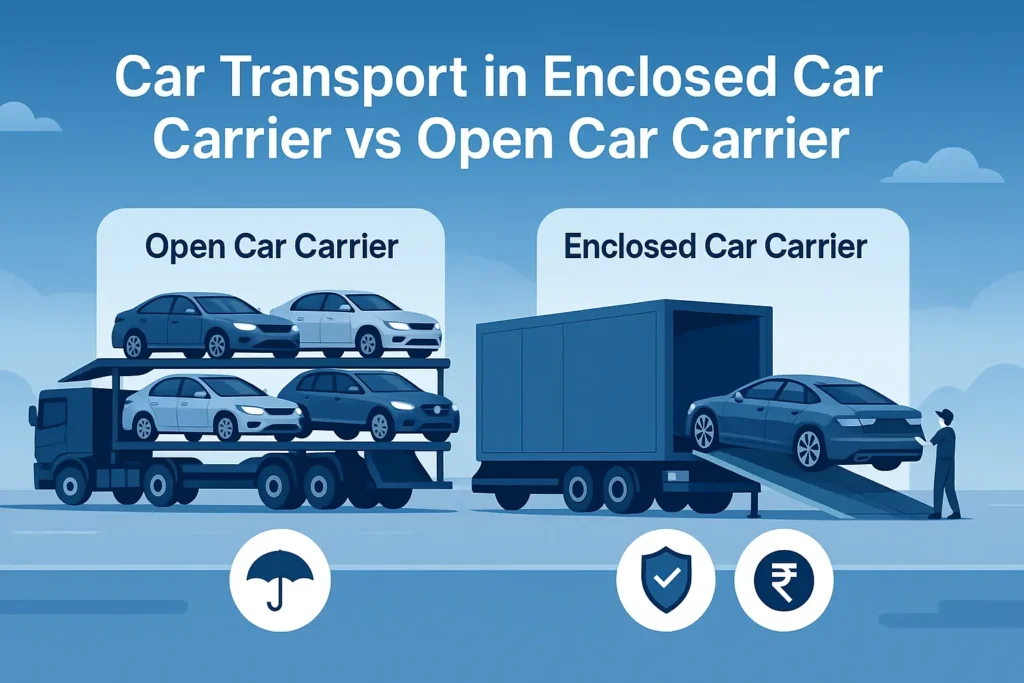
Transporting a car during relocation is a major decision, and choosing the right carrier type can significantly affect the safety, cost, and overall experience of your vehicle’s journey. Whether you’re shifting your car along with household goods through trusted movers like our recommended Packers and Movers services , or transporting it independently, understanding the differences between open and enclosed car carriers is crucial. Each method comes with its own benefits, limitations, cost differences, and safety implications.
What Is an Open Car Carrier?
An open car carrier is the most widely used vehicle transport method in India and across the world. It is a multi-level, open-frame trailer commonly seen on highways carrying multiple cars at once. These carriers are designed with a strong steel structure, adjustable ramps, and secure tie-down points to hold each vehicle firmly during transit. Because they can load more cars in one trip, they provide a cost-effective transport solution, especially for everyday vehicles, family cars, and standard sedans or hatchbacks.
Most customers opt for open carriers when booking professional car transportation services for standard vehicles during intercity or long-distance moves.
Below is a clear breakdown of how open car carriers operate:
How an Open Car Carrier Works
- Cars are loaded using metal ramps or hydraulic platforms.
- Each vehicle is secured with wheel straps, chocks, and tie-down mechanisms.
- The carrier typically has two levels, allowing it to transport 6–10 cars depending on the model.
- Since the structure is open, vehicles remain visible and exposed to outside elements while being safely transported.
What Is an Enclosed Car Carrier?
An enclosed car carrier is a fully covered vehicle transport trailer designed to offer maximum protection during transit. Unlike open carriers, these carriers have solid walls, a roof, and protective side panels that shield the vehicle from weather, dust, debris, road particles, and visibility. This makes enclosed transport the preferred choice for customers moving luxury cars, vintage models, sports cars, premium SUVs, or any high-value vehicle that requires extra care and privacy.
Enclosed carriers usually have lower capacity (2–6 cars depending on trailer size), which contributes to the higher cost. However, the controlled, secure, and clean environment they offer makes them ideal for delicate or high-end vehicles.
How an Enclosed Car Carrier Works
- The trailer is fully sealed with metal or reinforced vinyl walls.
- Cars are loaded using hydraulic lift gates, especially important for low-ground-clearance cars like sports models.
- Each car is strapped and padded with additional protective materials inside the enclosed chamber.
- The covered design ensures zero exposure to outdoor elements throughout the transit.
Key Differences: Open vs Enclosed Car Transport
Choosing between open and enclosed car transport becomes easier when you clearly understand how they differ in design, safety, capacity, cost, availability, and handling methods. Below is a detailed comparison to help you evaluate which option best suits your vehicle type, relocation budget, and expectations.
1. Design & Structure Differences
- Open Carrier:
- Open-frame, multi-level steel trailer
- Cars are fully visible during movement
- Designed for high capacity and cost efficiency
- Enclosed Carrier:
- Fully-covered trailer with sealed walls and roof
- Provides a “mobile garage” environment
- Designed for premium vehicle protection
2. Safety & Protection Level
- Open Carrier:
- Vehicles are exposed to rain, dust, sunlight, and minor road debris
- Ideal for standard cars where minor exposure is acceptable
- Enclosed Carrier:
- Shields cars from all weather elements and road contaminants
- Offers 360° protection, making it best for high-value or delicate cars
3. Transport Capacity
- Open Carrier:
- Can carry 6–10 cars in a single trip
- Lower cost per vehicle due to bulk transport
- Enclosed Carrier:
- Carries only 2–6 cars
- Fewer slots → premium pricing
4. Cost Difference
- Open Carrier:
- More economical
- Ideal for customers prioritizing budget
- Enclosed Carrier:
- About 30–50% costlier due to:
- Specialized handling
- Lower capacity
- Extra protection
- About 30–50% costlier due to:
To get a clearer idea of pricing, you can check our detailed guide on packers and movers cost factors, including vehicle transportation charges.
5. Availability & Booking Time
- Open Carrier:
- Highly available across most cities
- Faster booking and shorter waiting time
- Enclosed Carrier:
- Limited availability
- Often requires pre-planning and advance scheduling
6. Handling & Loading Method
- Open Carrier:
- Standard ramps for loading
- Fast and efficient process
- Enclosed Carrier:
- Hydraulic lift gates used
- Ideal for low-ground-clearance vehicles like sports cars
- More careful, supervised handling
Cost Comparison: Which Option Is More Budget-Friendly?
The cost difference between open car carriers and enclosed car carriers is one of the most important factors for customers choosing a transport method. While both options ensure professional vehicle relocation, the pricing varies significantly due to differences in capacity, safety features, handling techniques, and operational expenses.
1. Why Open Car Carriers Are More Affordable
Open carriers are designed to transport a larger number of vehicles—typically 6 to 10 cars at a time. This means the total transportation cost is shared among more customers, making the per-vehicle rate significantly cheaper.
Cost-saving factors in open carriers:
- High-capacity trailers reduce cost per vehicle
- Standard loading equipment (ramps instead of hydraulic lifts)
- High availability reduces scheduling delays and idle operational time
- Lower insurance and maintenance compared to enclosed carriers
Open carriers are therefore ideal for:
- Standard domestic cars
- Customers with a strict budget
- Short-distance or intercity car movements
2. Why Enclosed Car Carriers Cost More
Enclosed carriers provide maximum protection, ensuring vehicles are safe from dust, debris, rain, snow, and any external element. This premium service naturally results in higher operational costs.
Reasons for higher pricing:
- Lower capacity (2–6 vehicles per trip)
- Specialized equipment like hydraulic lift gates
- Additional padding and interior protection
- Higher vehicle insurance requirements
- Limited availability → higher demand for fewer trailers
Industry reports suggest enclosed transport can cost 30–50% more than open carrier transport (depending on distance, vehicle type, and route). This premium is often worth it when transporting expensive or delicate vehicles.
Which Method Offers Better Security for Your Vehicle?
When transporting your car, safety and protection level become top priorities—especially if the vehicle holds high monetary or emotional value. Open and enclosed carriers differ significantly in how much protection they provide from environmental elements, physical impact, and handling risks.
1. Safety Level in Open Car Carriers
Open carriers offer professional handling and secure strapping systems, but the vehicle remains exposed throughout the journey. While this method is widely trusted for standard cars, it still carries minor risks.
What Your Car Is Exposed To:
- Rain, dust, sunlight, wind
- Road debris (small stones, mud, insects)
- Bird droppings and tree sap in some resting points
- Unpredictable weather changes
Protection Measures Still Available:
- Wheel straps and tie-downs
- Chocks and anchor points
- Skilled loading by trained transporters
Ideal For:
Regular cars, used cars, budget moves, cars without delicate paint or detailing.
2. Safety Level in Enclosed Car Carriers
Enclosed carriers provide maximum protection, making them the safest transport method for any vehicle. The car remains fully shielded and secure within a closed, controlled interior that acts like a mobile protective chamber.
Advantages of Enclosed Safety Systems:
- Complete protection from weather conditions
- Zero exposure to dust, dirt, or debris
- Better security from vandalism or prying eyes
- Shock-absorbing interiors minimize movement
- Hydraulic lift gates prevent undercarriage damage
This method is widely preferred by luxury car owners and those transporting vehicles with high emotional or collectible value.
Ideal For:
Luxury cars · Vintage cars · Sports cars · Exotic vehicles · Showroom/display models
3. Risk Comparison: Open vs Enclosed
Safety Factor | Open Car Carrier | Enclosed Car Carrier |
Weather Protection | ❌ Exposed | ✔ Fully protected |
Road Debris Protection | ❌ Low | ✔ High |
Security/Privacy | ❌ Visible to public | ✔ Hidden and secure |
Handling Care | Standard | Specialized & gentle |
Risk of Minor Scratches | Medium | Very Low |
Best For | Standard cars | High-value vehicles |
Regardless of the carrier type you choose, it’s important to know what transit insurance covers during vehicle shifting to protect against accidental damage.
Suitable For: When to Choose Open vs Enclosed Car Carrier
Choosing the right car transport method depends largely on your vehicle type, budget, safety expectations, and route conditions. While both open and enclosed carriers are reliable, each is best suited for specific types of vehicles and customer needs.
1. When to Choose an Open Car Carrier
Open car carriers are the default and most widely chosen option for standard relocations. They offer a practical balance between affordability and professional transportation.
Open Carrier Is Suitable For:
- ✔ Everyday cars (hatchbacks, sedans, compact SUVs)
- ✔ Used cars or vehicles with normal wear & tear
- ✔ Budget-conscious customers
- ✔ Short or medium-distance moves
- ✔ Customers who don’t mind minor dust exposure during transit
Reasons to Choose Open Transport:
- Most cost-effective option
- Easy to book with shorter waiting times
- Well-suited for Indian road and weather conditions
- Ideal for customers relocating on a tight timeline
2. When to Choose an Enclosed Car Carrier
Enclosed car carriers are designed specifically for vehicles that require extra care, security, and complete protection. The enclosed structure makes this method the safest for delicate, expensive, or exotic cars.
Enclosed Carrier Is Suitable For:
- ✔ Luxury cars (BMW, Mercedes, Audi, Jaguar, etc.)
- ✔ High-end sports cars (Porsche, Ferrari, Lamborghini)
- ✔ Vintage or collectible cars
- ✔ Imported or limited-edition models
- ✔ Vehicles with low ground clearance
- ✔ Cars with custom paintwork or detailing
Reasons to Choose Enclosed Transport:
- Offers 360° protection from weather and debris
- Prevents public visibility and enhances security
- Maintains your car’s resale value by preventing scratches
- Best for long-distance transport across states
- Ideal during monsoon, winter, or dusty seasons
Pros & Cons of Open Car Carrier Transport
Open car carriers are the most commonly used vehicle transport method across India due to their affordability, availability, and efficiency. However, like any service, they come with both advantages and limitations.
1. Pros of Open Car Carrier Transport
Highly Cost-Effective
Open carriers transport 6–10 vehicles per trip, allowing the overall cost to be shared among multiple customers. This makes it the most budget-friendly option.
Widely Available Across Cities
Transporters prefer open carriers due to high demand and easy operational setup, making them easy to book even on short notice.
Faster Scheduling & Dispatch
Because of their availability, open carriers often have frequent dispatch cycles, reducing waiting time.
Suitable for Most Standard Vehicles
Ideal for:
- Daily-use cars
- Used cars
- Mid-range hatchbacks, sedans, and compact SUVs
Efficient Loading & Unloading
Standard ramps and simple mechanical systems make the process quick and straightforward.
2. Cons of Open Car Carrier Transport
Exposure to Weather and Road Elements
Your car may encounter:
- Dust
- Rain
- Sunlight
- Wind
- Road debris like small stones and dirt
Not Ideal for Luxury or Delicate Cars
Standard handling and exposure increase the risk of:
- Minor scratches
- Paint damage
- Cosmetic issues
Less Privacy
Your car remains visible during transport, which may be a concern for luxury or newly purchased vehicles.
Medium Safety During Loading
Standard ramps may not be suitable for:
- Low-ground-clearance sports cars
- Cars with fragile bumpers or body kits
Pros & Cons of Enclosed Car Carrier Transport
Enclosed car carriers are designed to provide maximum protection, premium handling, and complete safety for your vehicle. They are the preferred choice for luxury, high-value, or delicate cars where even minor exposure to dust or weather is unacceptable.
1. Pros of Enclosed Car Carrier Transport
Maximum Protection From Weather & External Elements
Vehicles inside an enclosed trailer are completely shielded from:
- Rain, dust, heat, snow
- Road debris (stones, gravel, mud)
- Pollution and industrial particles
This “mobile garage” environment keeps the car spotless and damage-free.
Ideal for Luxury, Vintage & High-Value Cars
Enclosed carriers are preferred for:
- Luxury brands (BMW, Audi, Mercedes, Jaguar)
- Sports cars (Porsche, Lamborghini, Ferrari)
- Vintage or collectible models
- Cars with custom paintwork, decals, or wraps
The controlled environment ensures no cosmetic damage occurs.
Specialized Loading With Hydraulic Lift Gates
These lifts allow safe loading of:
- Low-ground-clearance cars
- Custom-modified vehicles
- Cars with delicate bumpers or body kits
This reduces the risk of accidental scrapes during loading.
Enhanced Security & Privacy
Enclosed carriers keep the vehicle invisible to the public, offering:
- Protection from vandalism
- Better security during overnight halts
- Privacy for high-end or newly purchased cars
Reduced Risk of Damage
Soft straps, padded interiors, and careful handling ensure minimal movement inside the trailer, significantly reducing the chance of:
- Scratches
- Dents
- Paint chips
This is especially important for collector or showroom-condition vehicles.
2. Cons of Enclosed Car Carrier Transport
More Expensive Than Open Transport
Enclosed transport can cost 30–50% more, driven by:
- Lower vehicle capacity
- Specialized handling
- Premium insurance
- Limited fleet availability
Limited Availability
Not all cities have enclosed carriers, making them harder to book.
This results in:
- Longer wait times
- Need for advance scheduling
- Higher demand during monsoon or peak moving seasons
Longer Scheduling & Dispatch Time
Due to fewer carriers on the road, dispatch frequency is lower. Transporters often wait to fill 2–4 slots before starting a trip, especially for long routes.
Not Necessary for Standard Cars
For regular hatchbacks, sedans, or used cars, paying extra for enclosed transport may not offer proportional value.
Final Verdict: Open vs Enclosed Car Carrier
Choosing between an open car carrier and an enclosed car carrier ultimately comes down to your vehicle’s value, the level of protection you expect, your budget, and how quickly you need the transport service. Both methods are widely used and trusted, and both offer professional handling—but their suitability varies depending on what matters most to you.
This final verdict wraps up the entire comparison so you can make a confident and informed decision.
1. Summary of Key Differences
Open Car Carrier
- ✔ Most affordable and widely available
- ✔ Faster scheduling and dispatch
- ✔ Suitable for standard cars and everyday relocations
- ✘ Vehicle is exposed to dust, debris, weather, and sunlight
- ✘ Not ideal for premium or delicate vehicles
Enclosed Car Carrier
- ✔ Maximum safety and 360° protection
- ✔ Best choice for luxury, vintage, exotic, or high-value cars
- ✔ Offers privacy and minimal risk of cosmetic damage
- ✘ Costs 30–50% more than open transport
- ✘ Limited availability and slower scheduling
2. Final Comparison Open vs Enclosed
Factor | Open Car Carrier | Enclosed Car Carrier |
Cost | Low | High |
Protection Level | Basic | Premium |
Availability | High | Limited |
Transit Scheduling | Fast | Slower |
Best For | Standard vehicles | High-value vehicles |
Risk Level | Moderate | Very low |
Privacy | Low | High |
Choosing between an open and enclosed car carrier ultimately depends on your vehicle’s value, the level of protection you expect, and your relocation priorities. Open carriers provide a cost-efficient and widely available solution for most standard vehicles, while enclosed carriers deliver unmatched safety for luxury, vintage, or high-value cars. By weighing the trade-offs between cost, protection, availability, and handling, you can make a confident decision that ensures your car arrives in perfect condition. With the right transport method—and the support of a trusted service provider—you can enjoy a smooth, stress-free vehicle relocation.
Relocating your car safely starts with choosing the right transport partner. At 6 Packers and Movers, we provide trusted, professional car shifting services using both open and enclosed carriers—designed to match your vehicle’s needs and your budget. Whether you’re moving a standard family car or a luxury vehicle, our expert team ensures secure loading, timely delivery, and complete peace of mind.
Book your car transport today and experience India’s most reliable shifting service!
If you’re planning car relocation as part of a household move, booking experienced packers and movers in Kanpur ensures safe handling, proper carrier selection, and smooth delivery.