
Easy Steps To Prevent Property Damage While Moving
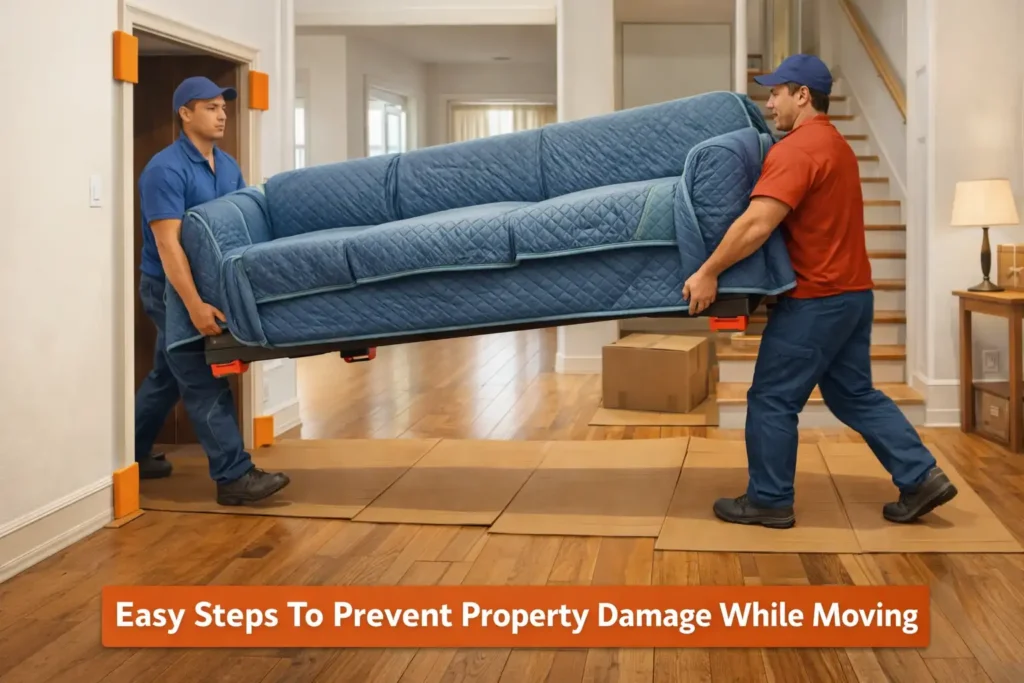
Moving homes involves handling heavy furniture, fragile belongings, and tight spaces—all of which increase the risk of scratches, dents, and breakage. Whether you’re shifting locally or long-distance, preventing damage to walls, floors, and fixtures should be a top priority. Following Expert Moving Tips can help you plan better and minimize risks during every stage of relocation. Hiring Experienced Packers and Movers and following proven moving practices can significantly reduce accidental property damage and avoid unnecessary repair costs. If you are relocating in a metro city like Surat, choosing reliable packers and movers in Surat ensures trained handling and proper surface protection throughout the move.
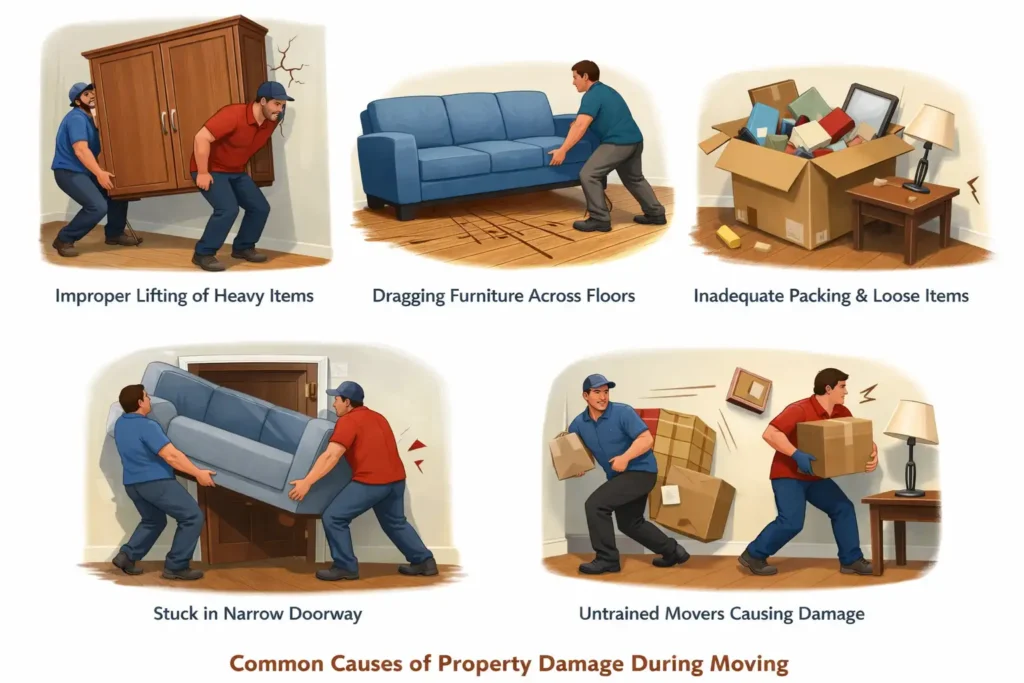
Common Causes of Property Damage During Moving
Understanding why property damage happens during relocation is the first step toward preventing it. Most damage is not accidental—it is usually the result of avoidable mistakes made during packing, lifting, and transportation.
Improper Lifting and Handling of Heavy Items
Heavy furniture and appliances can easily damage walls, door frames, and flooring when lifted incorrectly. Moving without proper lifting techniques or sufficient manpower increases the chances of items being dropped or slammed against surfaces, leading to cracks, dents, and chipped edges.
Dragging Furniture Across Floors
Dragging sofas, wardrobes, or appliances directly on floors is a common cause of scratches and permanent floor damage. Hard surfaces such as tiles, marble, and wooden flooring are especially vulnerable when furniture is moved without sliders or protective padding.
Inadequate Packing and Loose Items
Insufficient packing materials or loosely packed items can shift during movement, causing furniture to knock into walls, railings, or door frames. Lack of padding increases the impact force, leading to visible structural damage inside the property.
Moving Through Narrow Doorways and Staircases
Tight spaces such as staircases, narrow corridors, and small entryways significantly increase the risk of wall scuffs and chipped corners. Without prior route planning, bulky items are more likely to collide with surrounding surfaces.
Lack of Experience or Untrained Movers
Untrained handling is one of the biggest contributors to property damage. Movers without experience may rush the process, misjudge angles, or fail to use protective equipment, increasing the likelihood of accidental impact and surface damage.
Understanding how professional relocation teams work helps reduce such risks—here’s a detailed explanation of how packers and movers work during relocation.
Inspect Your Property and Identify High-Risk Areas Before Moving
A detailed inspection of your home before moving day helps prevent accidental damage to structural surfaces. Identifying sensitive areas in advance allows you to apply protection where it’s needed most and plan safer movement routes for heavy items.
Checking Door Frames, Walls, and Corners
Door frames, wall edges, and corners are highly vulnerable during furniture movement. Large items often scrape against these areas when turning or exiting rooms. Inspecting these spots beforehand helps ensure protective padding or guards are placed where contact is most likely to occur.
Inspecting Floors for Scratch-Prone Surfaces
Floors made of wood, marble, tiles, or laminate are prone to scratches and dents during relocation. Identifying such surfaces in advance allows you to cover them with cardboard sheets, runners, or protective mats to reduce surface damage while moving heavy furniture and appliances.
Assessing Staircases, Elevators, and Landings
Staircases and elevator areas experience the most traffic during moving day. These zones are exposed to repeated contact from bulky items, increasing the risk of chipped walls and scratched flooring. Inspecting these areas helps determine where floor coverings and wall padding are required.
Identifying Tight Turns and Low Ceilings
Tight corners, narrow hallways, and low ceilings can make it difficult to maneuver large furniture safely. Spotting these obstacles in advance allows movers to plan angles and movement strategies that minimize wall impact and ceiling damage.
Use Proper Packing Materials to Protect Furniture, Walls, and Floors
Using the right packing and protection materials plays a crucial role in preventing scratches, dents, and structural damage during a move. Protective coverings act as a buffer between heavy items and delicate surfaces, reducing impact and friction throughout the relocation process.
Using industry-standard packing materials plays a major role in surface protection—here’s a breakdown of professional packing materials versus home packing materials.
Floor Protection Using Cardboard Sheets and Mats
High-traffic areas such as hallways, living rooms, and entryways should be covered with thick cardboard sheets, floor runners, or protective mats. These materials help prevent scratches, scuff marks, and dirt buildup when furniture and appliances are moved across floors.
Wrapping Furniture with Blankets and Bubble Wrap
Furniture blankets and bubble wrap are widely used to protect items from bumps and surface damage. Wrapping sofas, tables, wardrobes, and appliances helps absorb shock and prevents direct contact with walls and door frames during handling.
Using Corner Guards and Edge Protectors
Corners and edges of walls and furniture are more likely to get chipped during movement. Corner guards and foam edge protectors help reduce impact damage when navigating tight spaces, staircases, and doorways.
Securing Loose Parts with Stretch Wrap and Tape
Loose drawers, shelves, and detachable components can swing or shift during movement, causing damage to surrounding surfaces. Stretch wrap and packing tape help secure these parts in place, reducing the risk of accidental impact.
Disassemble and Pack Large Furniture and Appliances Correctly
Large furniture and appliances are among the most common causes of property damage during a move. Disassembling and packing them properly makes handling easier, reduces weight strain, and minimizes the chances of walls, floors, and fixtures being damaged.
Disassembling Beds, Wardrobes, and Tables
Breaking down bulky furniture into smaller components makes it easier to carry items through narrow doorways and staircases. Disassembly reduces the risk of scraping walls and ceilings while maneuvering large pieces and allows for safer handling during loading and unloading.
Packing Appliances Like Washing Machines and Refrigerators
Appliances should be wrapped with protective materials such as moving blankets and stretch wrap to prevent exterior dents and scratches. Securing appliance doors and cords helps avoid sudden movement that could cause damage to nearby walls or floors.
Labeling Screws, Bolts, and Detachable Parts
Small hardware components such as screws, bolts, and fittings should be collected, packed separately, and clearly labeled. Proper labeling ensures smooth reassembly at the destination and prevents loose parts from damaging floors or getting lost during transit.
Packing Glass Panels, Shelves, and Fragile Components
Glass panels and shelves require extra padding to prevent breakage. Wrapping these items securely and keeping them upright reduces the risk of impact damage and prevents sharp fragments from causing further property damage if breakage occurs.
Protect Entryways, Staircases, and Elevators on Moving Day
Entryways, staircases, and elevators experience the highest movement of heavy items during relocation. Without proper protection, these areas are highly prone to scratches, dents, and surface damage. Applying protective measures on moving day helps reduce repeated impact and friction.
Covering Entry Floors and Thresholds
Entry floors and door thresholds should be covered with thick cardboard, drop cloths, or protective mats. These coverings help prevent scratches and dirt marks caused by repeated foot traffic and the movement of heavy furniture and appliances.
Padding Elevator Walls and Doors
Elevator walls and doors are susceptible to dents and scuff marks when bulky items are moved in and out. Padding elevator interiors with protective blankets or foam sheets helps absorb impact and reduces surface damage during loading and unloading.
Managing Tight Angles and Sharp Turns
Sharp turns and narrow angles increase the risk of furniture hitting walls and ceilings. Slowing down movement and carefully adjusting angles helps minimize collisions and protects surrounding surfaces from damage.
Using Sliders and Dollies Instead of Dragging
Furniture sliders and dollies reduce direct contact between heavy items and floors. These tools help distribute weight evenly and prevent scratches, dents, and cracks on flooring surfaces during movement.
Follow Safe Lifting, Handling, and Placement Techniques
Using safe lifting and handling techniques is essential to prevent accidental property damage during moving. Incorrect posture, sudden movements, or improper placement can cause heavy items to strike walls, floors, or fixtures, leading to avoidable damage.
Using Correct Lifting Posture and Grip
Proper lifting involves bending at the knees, keeping the back straight, and holding items close to the body. This technique helps maintain control over heavy objects and reduces the likelihood of items slipping or colliding with surrounding surfaces.
Team Lifting for Heavy and Bulky Items
Large and bulky items should be lifted by multiple people to distribute weight evenly. Team lifting reduces strain and improves balance, lowering the chances of dropping items or scraping walls and door frames during movement.
Avoiding Wall Contact While Carrying Furniture
Maintaining a safe distance from walls while carrying furniture helps prevent scuffs and dents. Controlled movement and clear communication among movers ensure that items do not swing or shift unexpectedly into nearby surfaces.
Placing Items Carefully Without Repeated Shifting
Placing furniture and appliances in their intended positions immediately reduces the need for repeated lifting and dragging. Limiting repositioning helps protect floors and walls from unnecessary wear and damage.
Hire Professional Packers and Movers to Reduce Property Damage Risks
Hiring experienced packers and movers plays a significant role in reducing property damage during relocation. Professional handling, structured processes, and the use of appropriate equipment help minimize the risk of accidental impact, scratches, and breakage throughout the moving process.
Benefits of Trained and Experienced Moving Staff
Professional movers are trained to handle heavy furniture, fragile items, and appliances using safe lifting and movement techniques. Their experience helps them navigate tight spaces, staircases, and entryways while reducing contact with walls, floors, and fixtures.
Use of Professional Equipment and Packing Standards
Professional moving teams use industry-standard packing materials, furniture blankets, corner protectors, dollies, and sliders to protect both household items and property surfaces. This equipment helps absorb impact and reduces friction during movement.
Role of Transit Insurance in Damage Protection
Transit insurance provides financial coverage in case of accidental damage to household items during relocation. While preventive measures reduce risk, insurance offers an added layer of protection against unexpected incidents during loading, transport, or unloading.
To avoid claim rejections later, it’s important to understand what transit insurance covers during house shifting.
Accountability and Supervision During the Move
Professional movers operate under defined procedures and supervision, which improves accountability during the moving process. Structured handling reduces rushed movements and helps ensure protective measures are followed consistently.
Conclusion
Preventing property damage during a move is largely about preparation, correct handling, and using proven protection methods. From inspecting high-risk areas and using proper packing materials to following safe lifting techniques, each step plays a role in protecting your walls, floors, and fixtures. When these measures are combined with professional expertise and structured moving practices, the risk of accidental damage is significantly reduced—resulting in a smoother, safer, and stress-free relocation experience.
Moving without damaging your property requires experience, planning, and the right protection methods.
6 Packers and Movers help reduce the risk of scratches, dents, and breakage by using professional packing materials, trained handling techniques, and organized moving processes—so your home stays protected from start to finish.
Get connected with reliable packers and movers and move with confidence.
Working with verified professionals offering structured relocation services helps minimize risks—explore our packers and movers services for safe and damage-free moving.