
DIY Household Packing Tips: A Complete Guide for Safe Home Shifting
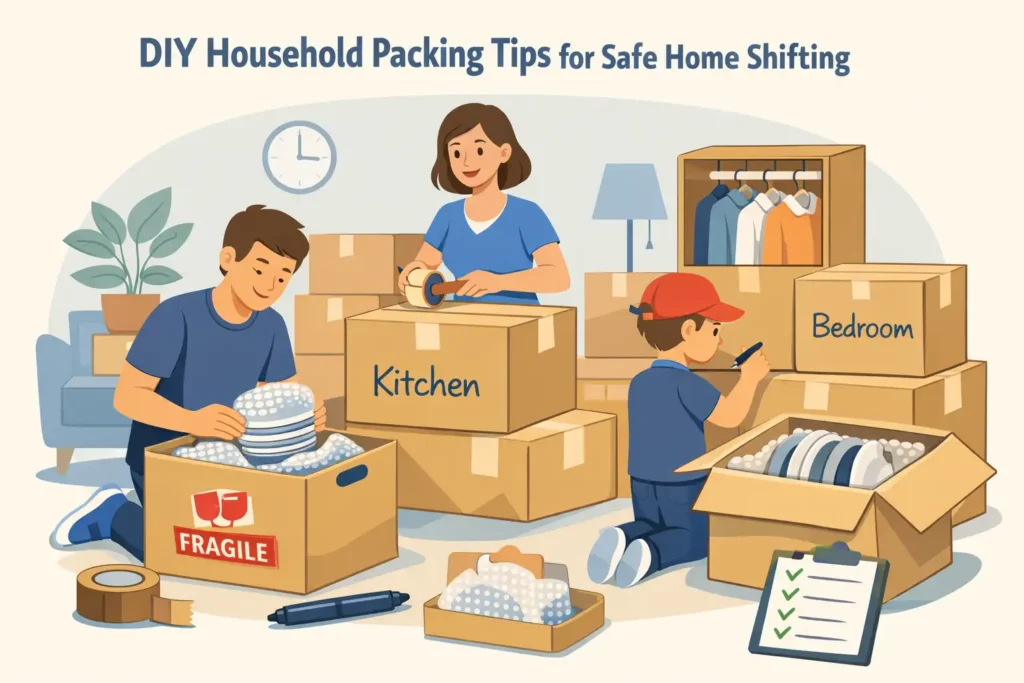
Packing your household items on your own can help reduce moving costs, but it also comes with responsibilities and risks if not done correctly. A well-planned DIY packing approach focuses on safety, material selection, and systematic execution to minimise damage during transit. If you are planning to coordinate packing on your own but still rely on professional transportation support from reliable Packers And Movers, understanding correct DIY packing methods becomes essential for a smooth home shifting experience.
DIY household packing is most effective when backed by proper preparation, suitable materials, and a clear packing strategy rather than last-minute box filling, which is why following expert Moving Tips can significantly improve efficiency and reduce moving stress.
Is DIY Household Packing the Right Choice for Your Move?
DIY household packing is suitable in certain moving situations, but it is not ideal for every relocation. The decision depends on factors such as move distance, item sensitivity, time availability, and handling capacity.
When DIY Packing Is Suitable for Home Shifting
DIY packing is generally manageable when:
- The move is local or short-distance, reducing transit handling risks
- Household items are limited in quantity
- You have sufficient time to pack gradually instead of rushing
- Fragile, antique, or high-value items are minimal
Starting early and packing non-essential items first helps avoid last-minute pressure and reduces packing errors.
Situations Where DIY Packing May Not Be Ideal
DIY packing may increase damage risk when:
- The move involves long-distance transportation
- You have heavy furniture or delicate appliances
- There is limited time to plan and organise packing
- You lack access to proper packing materials
Overloaded or poorly packed boxes can lead to item breakage and personal injury during lifting and loading.
DIY Packing vs Professional Packing: Risk Consideration
While DIY packing helps control costs, it also places full responsibility on the homeowner. Incorrect box weight, inadequate cushioning, or improper sealing can cause shifting and damage during transit. Professional packing reduces these risks by following standard handling practices, but DIY packing requires careful planning and disciplined execution to achieve similar safety levels. Before deciding between DIY packing and professional assistance, it is important to understand how to choose the best packers and movers based on service quality, handling standards, and accountability.
Cost Savings vs Potential Damage
DIY packing may reduce upfront expenses, but damaged items, replacement costs, or insurance exclusions can offset savings if packing is done incorrectly. Packing boxes that remain light enough for safe lifting and using proper protective materials are critical to minimising these risks. Many homeowners overlook the fact that improper DIY packing may affect coverage, so it is important to understand what transit insurance covers during house shifting before moving.
Packing Materials Checklist for DIY Home Shifting
Using the right packing materials is the foundation of safe DIY household packing. Incorrect or low-quality supplies increase the risk of breakage, box collapse, and shifting damage during transportation. Before starting, it is essential to arrange all packing materials in advance to ensure consistency and safety throughout the packing process.
Having multiple box sizes and proper cushioning materials allows you to pack items according to weight, fragility, and usage frequency, reducing stress during both loading and unpacking.
Types of Boxes Required for Household Items
Different household items require different box strengths and sizes. Standard corrugated cardboard boxes are commonly used because they provide structural support during stacking and transport.
Common box types include:
- Small boxes for books, tools, and heavy items
- Medium boxes for kitchen items, toys, and décor
- Large boxes for lightweight items like clothes and bedding
- Wardrobe boxes for hanging clothes to avoid folding
- Dish or partition boxes for crockery and glassware
Using appropriate box sizes helps prevent overloading and reduces the risk of box tearing during lifting.
Protective Materials for Fragile Items
Protective cushioning is essential to absorb shocks and prevent item movement inside boxes. Fragile items should always be wrapped individually before being placed in boxes.
Recommended protective materials:
- Bubble wrap for glassware, electronics, and décor
- Packing paper for plates, bowls, and breakables
- Stretch film to secure items and prevent scratches
- Towels or blankets as supplementary padding
Filling empty spaces inside boxes with padding helps prevent internal movement during transit.
Packing Tapes, Labels, and Markers
Strong packing tape and clear labelling are critical for box security and handling safety. Weak tape can cause boxes to open during loading, while poor labelling increases mishandling risks.
Essential tools include:
- Heavy-duty packing tape for sealing box seams
- Permanent markers for clear box identification
- Pre-printed or handwritten labels for room allocation
- “Fragile” and “This Side Up” markings where required
Clear labelling improves unloading efficiency and reduces the chances of incorrect stacking.
Small Accessories for Organized Packing
Small accessories help manage dismantled parts and prevent loss during transit.
Helpful items include:
- Small plastic bags for screws, bolts, and fittings
- Zip ties or stretch wrap to bundle loose cables
- Notebooks or digital lists to track box numbers
Keeping small components secured and labelled avoids reassembly issues after moving.
Where to Source Packing Materials
Packing materials can be sourced from:
- Local hardware or packaging stores
- Moving supply vendors
- Rental storage or relocation service providers
Using purpose-made packing supplies improves durability compared to reused or weak cartons.
DIY packing may reduce packing charges, but overall relocation costs still depend on distance, volume, and services, which are explained in our packers and movers cost guide.
Room-by-Room Packing Tips for Safe Household Shifting
Packing household items room by room helps maintain organisation, reduces item mix-ups, and minimises damage during transportation. A structured room-wise approach also makes unpacking faster and more manageable after the move. Starting with less frequently used rooms allows you to maintain daily routines while packing progressively.
Packing similar items together and clearly labelling boxes by room improves handling efficiency and reduces the risk of misplacement during loading and unloading.
How to Pack Kitchen Items Safely
Kitchen items are among the most fragile household belongings and require careful handling and cushioning.
Recommended kitchen packing practices:
- Wrap plates, bowls, and glassware individually using packing paper or bubble wrap
- Pack plates vertically rather than stacking them flat
- Use partition or dish boxes for crockery where possible
- Fill empty spaces in boxes with cushioning to prevent movement
- Clearly label boxes as “Fragile”
Proper wrapping and vertical placement reduce breakage during transit.
Bedroom Packing Tips for Clothes and Furniture
Bedroom packing is generally less complex but still requires organisation to avoid clutter and damage.
Best practices include:
- Pack clothes in wardrobe boxes, suitcases, or large cartons
- Use plastic covers or stretch wrap for mattresses
- Dismantle beds and store screws and fittings in labelled bags
- Keep daily-use clothes and essentials separate
Securing dismantled parts prevents loss and simplifies reassembly after the move.
Living Room Packing for Electronics and Decor
Living rooms often contain electronics, décor items, and furniture that require careful packing.
Key living room packing tips:
- Remove cables and label them before packing electronics
- Wrap televisions and electronic items with bubble wrap
- Use original boxes for electronics where available
- Remove light bulbs and lampshades and wrap them separately
- Protect furniture edges using blankets or padding
Proper cushioning and cable labelling reduce damage and setup confusion after shifting.
Bathroom and Utility Area Packing Tips
Bathroom items should be packed last due to daily usage and potential leakage risks.
Suggested methods:
- Seal toiletries in plastic bags to prevent spills
- Pack liquids separately from dry items
- Use small boxes to avoid overloading
- Label boxes clearly for quick access after moving
Leak-proof packing prevents damage to other packed items during transit.
Packing Order to Reduce Last-Minute Stress
Following a logical packing order improves efficiency and reduces errors.
Recommended order:
- Store rooms and rarely used items first
- Seasonal items and décor next
- Bedrooms and living areas afterward
- Kitchen and bathroom items last
Packing non-essential items early helps manage time effectively and reduces last-minute rushing.
How to Pack Fragile, Valuable, and Delicate Items at Home
Fragile and high-value household items are most vulnerable to damage during home shifting. DIY packing of such items requires extra cushioning, correct placement inside boxes, and controlled handling to minimise movement during transit. Improper packing techniques are one of the leading causes of breakage when households opt for self-packing.
Using item-specific packing methods helps absorb shocks and prevents direct contact between fragile surfaces during transportation.
Packing Glassware, Crockery, and Mirrors
Glass and ceramic items should always be wrapped individually to reduce direct impact.
Safe packing practices include:
- Wrapping each item separately with packing paper or bubble wrap
- Placing plates vertically instead of stacking them flat
- Using dish or partition boxes for crockery
- Adding cushioning at the bottom and top of the box
- Marking boxes clearly as “Fragile”
Vertical placement and individual wrapping help reduce pressure and breakage during transit.
Safe Packing of Electronics and Appliances
Electronics are sensitive to impact, moisture, and static damage. Proper preparation before packing is essential.
Recommended steps:
- Switch off and unplug all devices in advance
- Disconnect and label cables for easy reinstallation
- Wrap electronics with bubble wrap for cushioning
- Use original packaging wherever available
- Place electronics in snug-fitting boxes to prevent shifting
Backing up important data before packing electronics reduces the risk of data loss in case of damage.
Packing Valuables, Documents, and Jewelry
High-value items and important documents require controlled handling and secure packing.
Best practices include:
- Keeping essential documents and valuables separate from general household items
- Using small, well-padded boxes or folders
- Carrying valuables personally instead of loading them into moving vehicles where possible
Separating valuables reduces loss risk and ensures easy access after relocation.
Using Cushioning and Box Reinforcement Correctly
Cushioning plays a critical role in preventing internal movement inside boxes.
Effective cushioning methods:
- Fill empty spaces using paper, bubble wrap, or soft household items
- Reinforce box bottoms with additional tape
- Avoid leaving gaps that allow items to shift during transport
Proper cushioning reduces impact damage caused by vibration and sudden movement during transit.
Weight Control for Fragile Boxes
Fragile boxes should never be overloaded, even if space allows.
Key handling considerations:
- Keep box weight manageable for single-person lifting
- Use smaller boxes for heavier fragile items
- Clearly label boxes to prevent stacking under heavier loads
Maintaining safe box weight reduces both item damage and injury risk during handling.
Labeling, Box Organization, and Inventory Management Tips
Effective labeling and organised box management are essential parts of DIY household packing. Clear identification of boxes reduces handling errors, prevents misplacement, and simplifies unloading and unpacking at the new home. Poor labeling often leads to confusion, incorrect stacking, and delayed unpacking.
Well-labeled boxes allow movers and helpers to place items in the correct rooms, reducing unnecessary handling and damage risks
Correct Labeling Methods for Moving Boxes
Every packed box should be clearly labeled on multiple sides for easy visibility during handling.
Recommended labeling details:
- Room name (kitchen, bedroom, living room, etc.)
- Brief description of contents
- Handling instructions such as “Fragile” or “This Side Up”
Clear labeling improves safety and ensures boxes are handled according to their contents.
Color-Coding Boxes by Room
Color-coding is an effective way to speed up unloading and room placement.
How color-coding helps:
- Assign one color per room
- Apply colored tape or stickers to boxes
- Match colors with room labels at the new home
Color-coded systems reduce confusion and help place boxes correctly during unloading.
Numbering Boxes and Tracking Contents
Numbering boxes allows you to keep track of all packed items and identify missing boxes quickly.
Best practices:
- Number boxes sequentially (Box 1, Box 2, etc.)
- Note key contents against each box number
- Use numbering along with room labels
Tracking boxes helps ensure that all items reach the destination safely.
Creating a Basic Household Inventory List
An inventory list acts as a reference document during and after the move.
Inventory benefits include:
- Tracking total number of boxes
- Verifying delivery after unloading
- Simplifying unpacking priority
Maintaining an inventory reduces the risk of misplaced or forgotten boxes during relocation.
Labeling for Unpacking Efficiency
Labeling also helps determine unpacking order once you reach the new home.
Helpful labels include:
- “Open First” for essentials
- Priority markings for daily-use items
- Clear room identification for faster setup
Efficient labeling reduces post-move stress and saves time during unpacking.
Common DIY Packing Mistakes That Can Cause Damage
DIY household packing can lead to damage when basic safety and handling principles are ignored. Most packing-related losses occur due to incorrect box usage, poor weight distribution, and inadequate cushioning. Understanding common mistakes helps reduce avoidable damage during home shifting.
Improper packing increases the risk of breakage, box failure, and physical strain during lifting and loading.
Overloading Boxes and Weight Imbalance
Overpacking boxes is one of the most frequent DIY packing mistakes.
Problems caused by overloading:
- Boxes become difficult to lift safely
- Cardboard may tear or collapse
- Increased risk of injury during handling
- Higher chances of fragile item breakage
Keeping box weight manageable helps maintain safety and box integrity during transit.
Using Low-Quality or Incorrect Packing Materials
Using weak or unsuitable packing materials compromises item safety.
Common material-related errors:
- Reusing damaged or thin cartons
- Using insufficient tape to seal boxes
- Skipping cushioning for fragile items
Quality packing materials provide structural support and reduce damage risks.
Skipping Cushioning and Internal Padding
Empty spaces inside boxes allow items to move during transportation.
Issues caused by poor cushioning:
- Items collide during movement
- Increased breakage risk
- Reduced shock absorption
Filling gaps with paper, bubble wrap, or soft materials stabilises packed items.
Improper Sealing and Weak Tape Usage
Boxes that are not sealed properly can open during loading or transit.
Common sealing mistakes:
- Taping only the top flaps
- Using low-strength tape
- Ignoring bottom seam reinforcement
Reinforcing box bottoms and seams helps prevent accidental opening and spills.
Poor Labeling or No Handling Instructions
Unlabeled or poorly labeled boxes are more likely to be mishandled.
Risks include:
- Fragile boxes stacked under heavy loads
- Incorrect placement in rooms
- Delayed unpacking
Clear labeling reduces handling errors and improves unloading efficiency.
Packing Prohibited or Hazardous Items
Certain items pose safety risks if packed during moving.
Examples include:
- Flammable liquids
- Corrosive substances
- Pressurised containers
Avoiding hazardous materials helps prevent safety issues during transportation.
DIY Packing Checklist Before Moving Day
The final stage of DIY household packing focuses on verification, accessibility, and safety. A structured checklist before moving day helps ensure that all packed items are secure, properly labelled, and ready for loading. Skipping final checks often leads to misplaced items, damaged boxes, or last-minute delays.
Completing packing-related tasks at least 24 hours before the move allows time to fix errors without rushing.
Final Packing Checks 24–48 Hours Before Shifting
A last review ensures packing quality and readiness.
Key checks include:
- All boxes are properly sealed and reinforced
- Fragile items are cushioned and clearly labelled
- Box weights are manageable for safe lifting
- No loose or unpacked household items remain
Early verification reduces last-minute stress and packing errors.
Preparing an Essentials Box for Moving Day
An essentials box keeps daily-use items easily accessible during and after the move.
Recommended items:
- Toiletries and basic personal items
- Phone chargers and important documents
- Basic tools, scissors, and cleaning supplies
- A change of clothes and medications
Keeping essentials separate prevents unnecessary box opening on the first day after relocation.
Preparing Boxes for Loading and Transport
Proper box preparation improves safety during loading.
Best practices:
- Reinforce box bottoms with extra tape
- Place heavier boxes at the bottom and lighter ones on top
- Keep fragile boxes separate for careful handling
- Ensure labels face outward for visibility
Correct loading preparation reduces the risk of crushing and shifting damage during transit.
Coordinating DIY Packing With Movers
Even with DIY packing, coordination with the moving team is essential.
Important coordination steps:
- Inform movers about fragile or high-value boxes
- Share box numbering or inventory details if needed
- Clarify loading order and placement instructions
Clear communication reduces handling errors and improves overall moving efficiency.
Safety Precautions on Moving Day
Physical safety is as important as item protection during loading.
Safety considerations:
- Avoid lifting boxes that are too heavy
- Use proper lifting techniques
- Keep walkways clear to prevent slips or falls
Maintaining safe lifting limits reduces the risk of injury during DIY moves.
DIY household packing can be a cost-effective and manageable option when done with proper planning, correct materials, and systematic execution. Following a room-by-room approach, using suitable cushioning, maintaining clear labels, and avoiding common packing mistakes significantly reduces the risk of damage during home shifting. However, DIY packing also requires time, physical effort, and careful attention to safety, especially for fragile, valuable, and heavy household items.
If you prefer to handle packing yourself but want reliable transportation, loading support, and reduced transit risk, working with verified packers and movers can help balance cost savings with professional handling. Choosing the right moving partner ensures that your carefully packed belongings are transported safely and efficiently to your new home.
Planning a house move?
If you plan to handle packing yourself but want reliable transportation and loading support, working with professional packers and movers in Vadodara can help ensure your household goods are moved safely without transit damage.