
Home Inspection Checklist: What to Look for Before Moving Into a New House
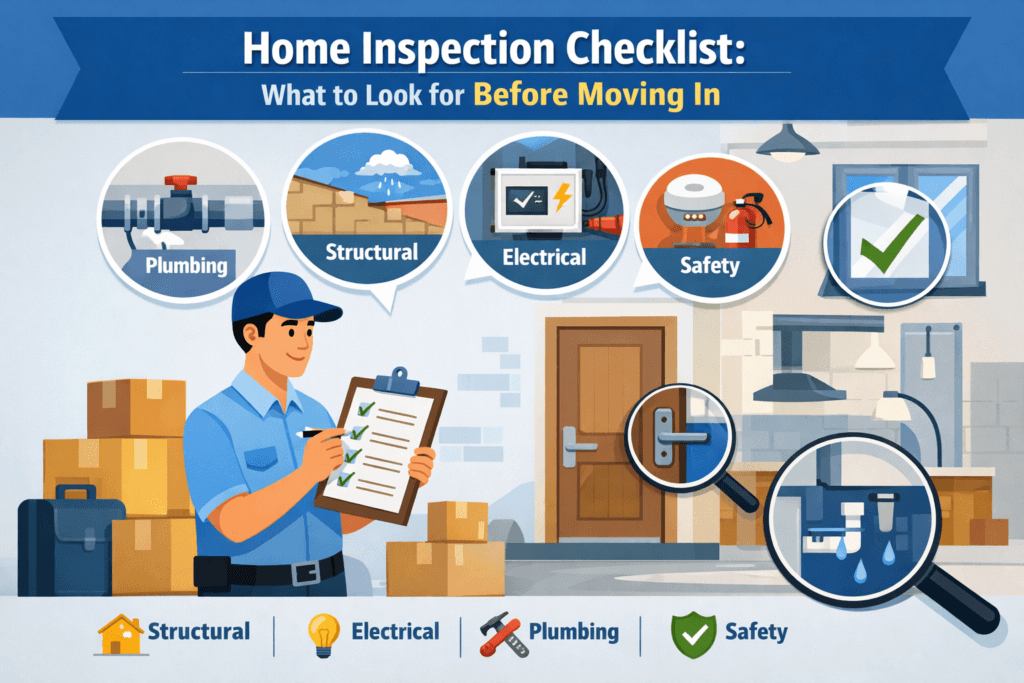
Moving into a new house is a major milestone, but skipping a proper home inspection can turn that excitement into unexpected repair costs, safety issues, and post-move stress. A detailed inspection before shifting helps identify visible and hidden problems related to structure, electrical systems, plumbing, and overall livability—allowing you to fix or negotiate issues early. This becomes even more important when you’re coordinating timelines with professional Packers and Movers, as unresolved defects can delay or complicate your move. Once your home inspection is complete, coordinating your move with professional packers and movers services ensures a smooth and well-planned relocation.
A structured home inspection checklist ensures that the property is safe, functional, and move-in ready before your belongings arrive. It also helps in planning repairs, budgeting future maintenance, and avoiding unpleasant surprises after possession. Following expert Moving Tips can further simplify your relocation process and help you settle in smoothly without last-minute stress.
Key reasons a pre-move home inspection matters:
- Helps detect structural, electrical, and plumbing issues before moving in
- Allows buyers or tenants to request repairs or corrections in advance
- Reduces safety risks related to faulty wiring, leakage, or poor construction
- Supports better move planning and smoother coordination with relocation services
Why a Pre-Move Home Inspection Is Non-Negotiable
A pre-move home inspection plays a critical role in identifying issues that may not be immediately visible during a casual site visit. Many defects—such as minor cracks, concealed water seepage, faulty wiring, or poor drainage—often surface only after living in the house. Identifying these problems early helps future occupants take corrective action before moving in and prevents disruption once household goods are shifted.
A thorough inspection also provides clarity on the actual condition of the property, helping buyers or tenants plan repairs, estimate maintenance costs, or request rectifications before possession. This process is especially important before scheduling packers and movers, as unresolved issues can delay move-in or create safety risks during unloading and setup. Choosing reliable movers at this stage is equally important, so it helps to follow a proper checklist for hiring packers and movers before finalizing your booking.
Why skipping a home inspection can be risky:
- Hidden structural or utility issues may lead to high post-move repair costs
- Electrical or plumbing defects can pose safety hazards after occupancy
- Problems discovered later may not be covered by builder or seller obligations
- Lack of inspection can affect comfort, hygiene, and long-term property value
Conducting a home inspection before moving in ensures better decision-making, smoother relocation planning, and a safer living environment from day one.
Structural Inspection Checklist (Foundation, Walls & Roof)
The structural condition of a house determines its safety, durability, and long-term maintenance cost. Before moving in, it is essential to carefully inspect the foundation, walls, ceilings, and roof areas for visible signs of damage or construction defects. Structural issues, if ignored, can worsen over time and become expensive or difficult to repair after occupancy.
A pre-move structural inspection helps identify early warning signs such as cracks, damp patches, or poor finishing that may indicate deeper problems. Addressing these concerns before shifting household items ensures a safer and more stable living environment.
Foundation Stability & Crack Assessment
The foundation should be visually inspected for cracks, uneven settlement, or gaps that may indicate structural stress. Even minor cracks should be noted, as they can widen over time if left unaddressed.
- Look for visible cracks in the foundation and base walls
- Check for uneven flooring or noticeable slope in rooms
- Inspect pillars and beams for damage or poor finishing
Wall Alignment, Dampness & Plaster Damage
Walls should be straight, properly aligned, and free from moisture-related issues. Dampness or peeling paint often points to water seepage or poor waterproofing.
- Check walls for damp patches, bubbling paint, or discoloration
- Inspect corners and joints where seepage is more common
- Look for cracks in plaster or hollow sounds when tapped
Ceiling Condition & Signs of Water Seepage
Ceilings are strong indicators of hidden leakage from upper floors or terraces. Any visible marks should be treated as warning signs.
- Look for water stains, cracks, or peeling paint on ceilings
- Check for dampness near light fixtures and corners
- Inspect false ceilings for sagging or moisture damage
Roof, Terrace & Waterproofing Check
The roof and terrace must be properly waterproofed to prevent leakage during monsoons. Poor waterproofing can lead to repeated repairs after moving in.
- Inspect terrace floors for cracks or water pooling
- Check parapet walls and drainage outlets
- Look for signs of previous leakage or patchwork repairs
Staircases, Railings & Load-Bearing Areas
Staircases and railings should be structurally sound and safe to use, especially in multi-storey homes or apartments.
- Ensure staircases are stable with no loose steps
- Check railings for firm installation and proper height
- Inspect load-bearing areas for visible damage or cracks
Electrical Inspection Checklist Before Moving In
Electrical issues are among the most common yet overlooked problems in new and resale homes. Faulty wiring, improper earthing, or poorly installed switchboards can lead to frequent power failures, appliance damage, or serious safety hazards after moving in. Conducting an electrical inspection before shifting helps ensure that the home is safe, functional, and ready to handle everyday electrical load.
A detailed electrical check also prevents disruptions during move-in, especially when multiple appliances are installed immediately after relocation.
During relocation, these risks are best covered by understanding what transit insurance covers during house shifting, especially for electrical appliances and fragile items.
Internal Wiring Quality & Safety Standards
Wiring quality directly affects the safety and reliability of the electrical system. Poor insulation or exposed wiring can increase the risk of short circuits.
- Inspect visible wiring for loose ends or exposed cables
- Check for signs of overheating near switchboards
- Ensure wiring is properly concealed and secured
Switchboards, Sockets & Appliance Load Capacity
All switches and sockets should function properly and be placed conveniently for household use.
- Test all switches, sockets, and light points
- Check for loose or damaged switch plates
- Ensure sufficient power points are available for major appliances
Earthing, MCBs & Circuit Breaker Inspection
Proper earthing and safety switches are essential to protect residents and appliances from electrical faults.
- Confirm the presence of proper earthing connections
- Check if MCBs or circuit breakers are installed and functional
- Verify that the electrical panel is easily accessible
Power Backup, Inverter & Generator Readiness
If the property includes power backup provisions, they should be inspected before moving in.
- Check inverter or generator points for functionality
- Confirm wiring support for backup power
- Ensure seamless power changeover where applicable
Common Electrical Red Flags to Watch Out For
Identifying warning signs early can prevent future electrical failures or hazards.
- Frequent flickering of lights
- Burning smell near switchboards
- Buzzing sounds from electrical panels
Plumbing & Water System Inspection Checklist
Plumbing and water-related issues can cause long-term damage if not identified before moving in. Problems such as leakage, low water pressure, or poor drainage often become visible only after regular use. Inspecting the plumbing system in advance helps avoid water damage to floors, walls, and furniture once household goods are shifted into the home.
A proper plumbing inspection also ensures uninterrupted water supply and hygienic living conditions from day one.
Water Pressure & Flow Consistency
Water pressure should be consistent across all taps and outlets in the house. Low or uneven pressure may indicate internal blockages or supply issues.
- Turn on all taps to check water flow strength
- Compare pressure in bathrooms, kitchen, and utility areas
- Look for fluctuations when multiple taps are used simultaneously
Pipeline Leakage & Joint Conditions
Leaks often occur at pipe joints and may not be immediately visible. Early detection prevents future seepage and repair costs.
- Check under sinks and washbasins for dripping water
- Inspect exposed pipes for rust, cracks, or moisture
- Look for water marks near pipe joints and corners
Bathroom & Kitchen Drainage Efficiency
Poor drainage can cause water stagnation, foul smells, and hygiene issues.
- Pour water into drains to ensure quick flow
- Check for water pooling near floor traps
- Observe for gurgling sounds or slow drainage
Overhead Tank, Motor & Water Source Verification
The water storage and supply system should be fully functional before moving in.
- Verify that the overhead tank fills and drains properly
- Check the motor operation and water supply switch
- Confirm the primary water source (municipal or borewell)
Signs of Hidden Seepage or Damp Patches
Hidden seepage can weaken walls and flooring over time if not addressed early.
- Inspect walls and floors near bathrooms and kitchen
- Look for damp patches, peeling paint, or musty odors
- Check skirting areas and corners for moisture buildup
Doors, Windows & Ventilation Checklist
Doors, windows, and ventilation directly affect security, comfort, and indoor air quality. Poorly installed doors or windows can lead to noise issues, dust entry, water seepage, and safety concerns after moving in. Checking these elements before relocation helps ensure the home is secure, well-ventilated, and comfortable for daily living.
Proper ventilation is especially important to prevent dampness, odors, and moisture buildup, which can damage interiors and furnishings over time.
Door Frames, Hinges & Locking Mechanisms
Doors should be properly aligned and easy to operate. Faulty locks or misaligned frames can cause security and usability issues.
- Open and close all doors to check smooth movement
- Inspect hinges for looseness or rust
- Test all locks, latches, and handles for proper functioning
Window Seals, Glass Quality & Grills
Windows must be securely fitted to prevent air, water, or dust leakage and to ensure safety.
- Check window alignment and ease of opening/closing
- Inspect glass panes for cracks or loose fittings
- Verify window grills are firmly installed where provided
Natural Light & Cross-Ventilation Assessment
Adequate natural light and airflow improve living comfort and reduce moisture-related problems.
- Observe daylight entry in major rooms
- Check if windows allow proper cross-ventilation
- Ensure ventilation openings are not blocked
Noise Insulation & External Disturbance Check
Noise from traffic or neighboring areas can affect long-term comfort.
- Close windows and doors to assess noise reduction
- Check for gaps that allow sound leakage
- Observe external surroundings during different times of the day
Safety Concerns for Children & Elderly
Door and window safety is crucial for households with children or elderly members.
- Check railing height near windows and balconies
- Ensure window locks are secure and functional
- Look for sharp edges or unstable fittings
Kitchen Inspection Checklist Before Moving
The kitchen is one of the most frequently used areas in a home, and even minor defects can cause daily inconvenience after moving in. A pre-move kitchen inspection helps identify plumbing, storage, and fitting issues early, ensuring the space is functional and hygienic before household goods and appliances are installed.
Inspecting the kitchen in advance also helps prevent water damage, gas safety risks, and costly modifications after relocation.
Cabinets, Storage & Woodwork Condition
Kitchen cabinets and storage units should be sturdy and properly finished to support daily use.
- Open and close all cabinet doors and drawers
- Check hinges, handles, and internal shelves for stability
- Look for signs of moisture damage or swelling in woodwork
Countertops, Sink & Plumbing Fittings
Countertops and sink areas are prone to water exposure and should be checked carefully.
- Inspect countertops for cracks or uneven surfaces
- Check sink installation and sealant quality
- Turn on taps to ensure proper water flow and drainage
Gas Pipeline, Stove Points & Safety Valves
Gas connections must be securely installed to avoid safety hazards.
- Verify gas pipeline points are properly fitted
- Check valve operation and accessibility
- Look for signs of leakage or loose connections
Exhaust, Chimney & Ventilation
Proper ventilation prevents smoke, odors, and grease buildup in the kitchen.
- Check exhaust fan or chimney operation
- Ensure ventilation outlets are clear and functional
- Observe airflow during operation
Electrical Points for Kitchen Appliances
Adequate and safe electrical points are essential for modern kitchen appliances.
- Verify dedicated power points for major appliances
- Check socket placement and accessibility
- Test switches for proper functioning
Bathroom Inspection Checklist
Bathrooms are highly prone to water-related issues, and even small defects can lead to long-term damage if not addressed before moving in. Inspecting bathrooms thoroughly helps prevent leakage, dampness, and hygiene problems after occupancy, especially once fixtures and fittings are in regular use.
A pre-move bathroom inspection ensures proper waterproofing, safe electrical fittings, and efficient drainage—reducing the risk of repairs after relocation.
Waterproofing, Tiles & Grouting Quality
Bathroom waterproofing is essential to prevent seepage into walls and floors.
- Check floor and wall tiles for cracks or loose fixing
- Inspect grouting lines for gaps or uneven application
- Look for damp patches near tile joints and corners
Sanitary Fittings, Flush & Drainage
All sanitary fittings should function smoothly without leakage or blockage.
- Test flush systems for proper operation
- Check washbasins, showers, and taps for leaks
- Observe water flow speed in floor drains
Geyser Points, Electrical Safety & Ventilation
Electrical points in bathrooms require special attention due to moisture exposure.
- Verify geyser points and switches are working
- Check that electrical fittings are positioned safely
- Ensure ventilation openings or exhaust fans are functional
Mold, Odor & Moisture Detection
Persistent moisture often leads to mold growth and unpleasant odors.
- Smell for musty odors indicating hidden dampness
- Check corners and ceilings for mold spots
- Inspect under washbasins for moisture accumulation
Slip Resistance & Elderly Safety Measures
Bathroom safety is crucial, particularly for children and elderly residents.
- Check floor tiles for slip resistance
- Ensure grab bars or support fixtures are firmly installed
- Inspect door locks for ease of use from inside
Safety, Legal & Utility Checks Before Moving In
Before shifting into a new house, it is important to verify safety systems, legal clearances, and utility connections. These checks ensure that the property is compliant, safe for occupation, and free from issues that could cause inconvenience or disputes after moving in. Completing these verifications early also helps avoid delays during the final move-in process.
A thorough review of safety measures, documentation, and utilities confirms that the house is fully ready for occupancy and daily living.
Fire Safety Equipment & Emergency Exits
Fire safety features should be accessible and functional to handle emergency situations.
- Check availability of fire extinguishers in common areas
- Ensure emergency exits and staircases are unobstructed
- Verify that fire safety signage is clearly visible where applicable
Lift, Common Area & Society Safety Checks
In apartments or gated communities, common areas must be inspected for safety and usability.
- Test lift operation and emergency features
- Inspect staircases, corridors, and railings
- Check lighting in parking and common areas
Electricity, Water & Gas Meter Verification
Utility meters should be installed correctly and functioning at the time of possession.
- Confirm electricity meter readings and connection status
- Check water meter installation, if applicable
- Verify gas pipeline or cylinder connection readiness
Occupancy Certificate & Compliance Documents
Legal documentation confirms that the property is approved for residential use.
- Verify the availability of the Occupancy Certificate
- Check compliance approvals as applicable
- Ensure property handover documents are complete
Pending Dues, Maintenance & Ownership Clarity
Outstanding dues or unclear ownership details can create issues after moving in.
- Confirm there are no pending utility or maintenance dues
- Verify ownership details and possession status
- Check society or association handover records
Inspect Smart Before You Move
A thorough home inspection before moving into a new house helps you avoid unexpected repair costs, safety risks, and post-move inconvenience. By systematically checking the structure, utilities, fittings, and legal readiness of the property, you ensure that your new home is safe, functional, and truly move-in ready. Completing this checklist before shifting also allows you to plan repairs, cleaning, and setup without disrupting your relocation schedule.
Once your inspection is complete and the house is confirmed ready, the next step is executing a smooth and damage-free move. This is where choosing experienced relocation professionals becomes essential. If you’re relocating within the city, our packers and movers in Lucknow can help you move into your inspected home safely and on schedule.
Move In With Confidence
After completing your home inspection, trust 6 Packers and Movers to handle your relocation with care, efficiency, and professionalism. From secure packing to safe transportation and timely delivery, our verified movers help you shift into your inspected home without stress or delays.