
Relocating From a Small Town to a Big City: Complete Guide for a Smooth Transition
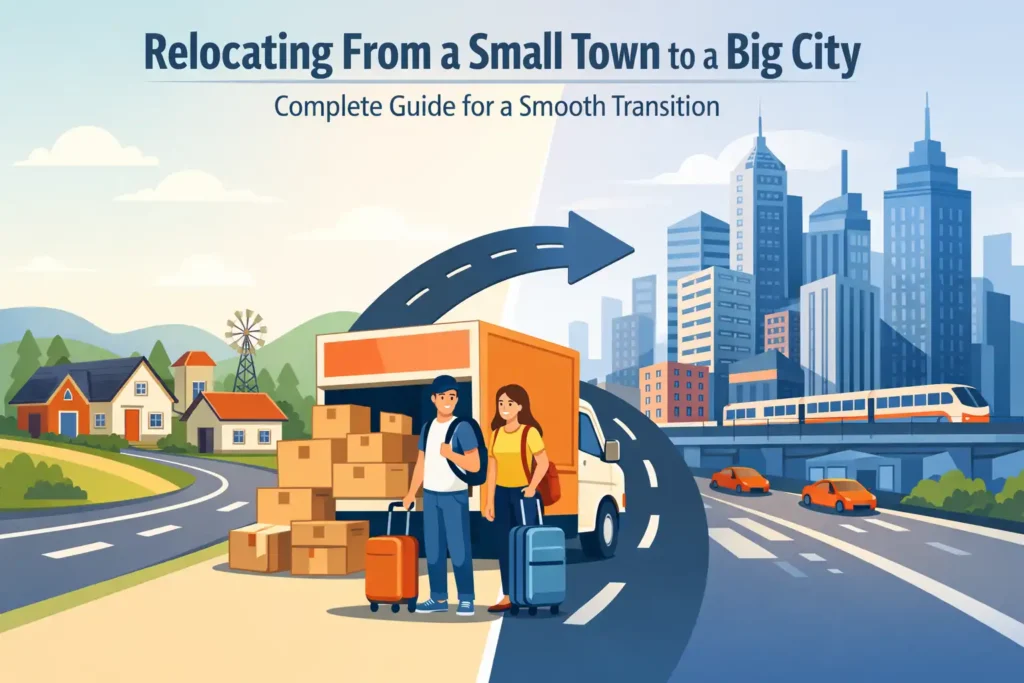
Relocating from a small town to a big city is a life-changing decision that impacts your finances, career, lifestyle, and mental well-being. Unlike local shifting, this move requires deeper planning—from understanding higher living costs to adapting to a faster, more competitive urban environment. Whether you’re moving for a job, education, or better opportunities, choosing the right Packers And Movers and preparing in advance can significantly reduce stress and costly mistakes during relocation.
Understanding the Big City Lifestyle Shift
Moving from a small town to a metropolitan city involves more than a change of address—it brings a fundamental shift in how you live, work, and interact daily.
Faster Pace of Life and Work Culture
Big cities operate at a much faster pace compared to small towns. Daily routines are often structured around fixed office hours, long commutes, and time-bound schedules. Employment opportunities are more concentrated in urban areas, which attracts a large number of migrants every year, increasing competition for jobs and housing.
Urban migration data shows that a significant share of India’s city population consists of people who have moved from other towns or regions, mainly in search of employment and income growth. However, higher earnings are often balanced out by increased living expenses in cities.
Higher Cost of Living Compared to Small Towns
One of the most noticeable differences after relocating to a big city is the cost of living. Expenses such as rent, utilities, transportation, groceries, and eating out are substantially higher in metro cities than in smaller towns. In many major Indian cities, housing alone can consume a large portion of monthly income, especially during the initial months.
Studies comparing urban and small-town expenses show that metropolitan residents spend significantly more on non-housing costs such as commuting, food services, and lifestyle needs.
Crowded Living and Limited Personal Space
Big cities are densely populated, leading to smaller living spaces, crowded public transport, and higher noise levels. Unlike small towns where homes are spacious and daily life is slower, urban living often involves apartments with limited square footage and shared facilities. This adjustment can be challenging for first-time movers.
Urbanisation data highlights that only a small number of Indian cities accommodate a disproportionately large population, putting pressure on housing and infrastructure.
Cultural Diversity and Social Adjustment
Large cities are culturally diverse, bringing together people from different regions, languages, and backgrounds. While this diversity creates more opportunities for social and professional growth, it can also lead to feelings of isolation for newcomers from small towns, especially in the early months.
Migration studies indicate that social networks play a crucial role in how smoothly individuals adapt to city life, influencing both employment outcomes and emotional well-being.
Mental and Lifestyle Adaptation
Adjusting to city life requires mental preparedness. Factors such as longer travel times, limited community interaction, and financial pressure can affect overall well-being. Many migrants initially underestimate these challenges, which later impact job satisfaction and quality of life.
Urban living analyses show that cost pressure and congestion are common reasons people reconsider long-term settlement in large cities.
Why This Understanding Matters Before You Move
Recognising these lifestyle shifts early helps you:
- Set realistic expectations
- Plan finances accurately
- Choose the right locality
- Decide whether professional movers are needed
- Prepare mentally for the transition
This clarity reduces relocation stress and prevents costly post-move regrets.
Financial Planning Before Moving to a Big City
Financial preparation is one of the most critical steps when relocating from a small town to a big city. Urban living involves significantly higher recurring and one-time expenses, and underestimating them often leads to financial stress during the first few months after relocation.
Budgeting for Higher Living Expenses
Big cities have a substantially higher cost of living compared to small towns. Monthly expenses increase across multiple categories, including rent, utilities, transportation, groceries, and daily services. In metro cities, even basic living expenses (excluding rent) can consume a large share of income, especially for individuals relocating alone.
Cost comparisons between small towns and major cities show that urban residents spend more not only on housing but also on food services, commuting, and lifestyle-related expenses.
Understanding Rental Costs and Deposits
Housing is usually the largest expense after relocating to a big city. Rental prices in metropolitan areas are significantly higher, and tenants are often required to pay advance deposits that can amount to several months’ rent. In addition to rent, tenants may need to budget for maintenance charges and brokerage fees.
Research on urban housing trends indicates that rental affordability varies widely within the same city depending on locality, connectivity, and proximity to employment hubs.
Planning an Emergency Fund
Financial data related to internal migration shows that income growth in cities does not always translate into immediate financial stability. Unexpected costs such as medical expenses, job changes, or temporary unemployment are common during relocation.
Maintaining an emergency fund before moving helps cover living expenses during the initial adjustment period, especially in cities where daily costs are high and savings can deplete quickly.
Accounting for Hidden Relocation Costs
Apart from rent and daily expenses, relocation involves several one-time costs that are often overlooked. These may include packing and transportation charges, transit insurance for household goods, temporary accommodation, and setup costs for utilities and internet. Understanding how relocation charges are calculated helps you avoid budget overruns—this packers and movers cost guide explains the key cost factors involved in intercity moves
Cost breakdowns for intercity relocation highlight that distance, volume of goods, and additional services can significantly impact the total moving budget.
Balancing Income and Urban Expenses
Migration and employment data show that while cities offer more job opportunities, higher income does not always result in higher savings due to increased expenditure. Transportation costs, long commutes, and lifestyle inflation can reduce disposable income if not planned in advance.
Urban economic studies indicate that understanding realistic monthly expenses is essential before accepting relocation offers or finalising a move.
Why Financial Planning Matters Before Relocating
Proper financial planning helps you:
- Avoid budget shortfalls during the first few months
- Manage high rental deposits and setup costs
- Handle unexpected expenses without stress
- Make informed decisions about housing and relocation services
Preparing your finances in advance creates a stable foundation for adapting to city life smoothly.
Choosing the Right City and Neighborhood
Selecting the right city and neighborhood plays a decisive role in how smoothly you adjust after relocating from a small town to a big city. Differences in living costs, employment concentration, infrastructure, and connectivity can significantly affect your daily routine and long-term stability.
Choosing a City Based on Cost and Opportunities
Not all big cities offer the same balance between income opportunities and living expenses. While metro cities attract migrants due to job availability, the cost of housing, transportation, and daily living varies widely from one city to another.
Comparative urban studies show that some cities have higher rental costs but better employment density, while others offer relatively affordable housing with moderate job opportunities. Evaluating this balance before relocating helps avoid financial strain after the move. Before finalising any relocation service, it’s important to know how to choose the best packers and movers to avoid service quality issues and unexpected costs.
Understanding Locality-Level Cost Differences
Within the same city, living expenses can differ significantly depending on the neighborhood. Central business districts and areas close to employment hubs usually have higher rents, while suburban or peripheral areas may offer lower housing costs but longer commute times.
Urban living analyses indicate that commuting time and transport costs increase substantially when residential areas are located far from workplaces, directly impacting monthly expenses and work-life balance.
Evaluating Connectivity and Infrastructure
Connectivity is a critical factor when choosing a neighborhood in a big city. Access to public transport, road networks, and essential services such as hospitals and grocery markets influences daily convenience and travel costs.
Urban infrastructure pressure in large cities often results in overcrowded transport systems, making locality selection important for reducing travel fatigue and time loss.
Safety and Liveability Considerations
Safety, crowd density, and civic infrastructure vary widely across urban neighborhoods. High population concentration in large cities puts pressure on housing and public services, affecting overall liveability.
Urbanisation data highlights that a small number of large cities accommodate a disproportionately high population, increasing competition for housing and public amenities.
Why City and Neighborhood Selection Matters
Choosing the right city and locality helps you:
- Control rental and commuting expenses
- Reduce daily travel stress
- Access employment opportunities efficiently
- Adapt faster to urban living conditions
Thoughtful evaluation before finalising your move reduces post-relocation adjustments and improves long-term satisfaction with city life.
Job Preparation and Career Readiness
Employment is one of the primary reasons people relocate from small towns to big cities. Proper job preparation before moving plays a major role in financial stability and long-term success in an urban environment.
Work-Driven Migration to Big Cities
Internal migration data in India shows that a large proportion of people move to urban areas primarily for employment-related reasons. Big cities attract job seekers due to the concentration of industries, corporate offices, and informal work opportunities.
However, migration studies also indicate that higher income potential in cities is often accompanied by increased competition and higher living expenses, which can impact overall financial outcomes.
Securing a Job Before vs After Relocation
Urban labour market patterns suggest that individuals who relocate without confirmed employment may face financial pressure due to high living costs. Cities offer more job openings, but the time required to secure suitable employment can vary based on skills, experience, and industry demand.
Employment trend analysis highlights that urban job markets are more dynamic but less predictable, making advance job planning important before relocation.
Understanding Salary vs Living Cost Reality
Higher salaries in big cities do not always translate into higher savings. Data on urban expenses shows that transportation, housing, and lifestyle costs can reduce disposable income if not factored in during job negotiations.
Economic studies indicate that understanding city-specific living costs is essential before accepting job offers or salary packages.
Skill Readiness and Market Competition
Big cities attract a large and diverse workforce, increasing competition across most job sectors. Migration patterns show that individuals with relevant skills and professional networks adapt more quickly to urban job markets.
Research on migration and social networks suggests that professional connections play a key role in job mobility and career progression after relocating.
Why Job Preparation Is Critical Before Moving
Preparing for employment in advance helps you:
- Reduce income gaps after relocation
- Manage high urban living costs
- Make informed salary decisions
- Adapt faster to competitive job environments
Job readiness creates a stable foundation for a smoother transition from small-town living to big-city life.
Planning the Move: Packing, Logistics & Transportation
Once your finances and job plans are in place, the next critical step is planning the physical relocation. Moving from a small town to a big city involves longer distances, stricter timelines, and higher logistical costs, making advance planning essential.
If you’re relocating to a metro like Bangalore, hiring professional packers and movers in Bangalore can help manage long-distance packing, transportation, and coordination more efficiently.
Creating a Structured Relocation Plan
Intercity relocation requires clear planning around timelines, inventory, and transportation. Unlike local moves, delays or miscalculations in long-distance shifting can increase costs and disrupt post-move schedules such as job joining dates or rental handovers.
Relocation cost studies show that advance planning helps control expenses related to transport, labour, and additional services.
Deciding Between DIY Moving and Professional Movers
For long-distance moves, professional relocation services are commonly used due to the volume of goods and distance involved. Factors such as household size, fragile items, and vehicle transport influence this decision.
Cost breakdowns for city-to-city moves indicate that transportation charges, packing materials, labour, and insurance form the major cost components of professional moving services.
Managing Packing and Inventory
Packing requirements increase significantly when relocating to a big city, especially when moving furniture, appliances, and fragile household items. Long-distance transport increases the risk of damage if packing is not done properly.
Relocation data highlights that the total volume of goods directly affects transportation cost and handling requirements, making decluttering an important step before packing.
Transportation Distance and Cost Impact
The distance between the origin town and destination city is a key factor in determining relocation costs. Longer distances increase fuel expenses, transit time, and handling charges.
Intercity relocation analyses show that distance-based pricing is a standard factor across household goods transportation in India.
Importance of Transit Insurance
Long-distance relocation exposes household goods to risks such as handling damage, transit delays, and accidents. Transit insurance is often recommended for city-to-city moves to cover potential losses during transportation. Knowing what transit insurance covers during house shifting helps protect your belongings against damage or loss during long-distance transportation.
Relocation cost structures include insurance as an optional but significant component for safeguarding household belongings during long-distance movement.
Why Proper Move Planning Matters
Effective planning of packing and logistics helps you:
- Avoid last-minute cost escalations
- Reduce risk of damage to household goods
- Align relocation timelines with job and housing plans
- Experience a smoother transition into city life
Structured relocation planning is a key factor in reducing stress when moving from a small town to a big city.
Settling In After the Move
Settling into a big city after relocating from a small town involves multiple adjustments beyond unpacking household goods. The initial weeks are often spent navigating new systems, higher population density, and unfamiliar urban routines.
Setting Up Basic Utilities and Services
After moving into a new home, arranging essential services such as electricity, water supply, cooking gas, and internet becomes a priority. In big cities, utility connections may involve documentation, verification, and waiting periods, especially in rental properties.
Urban living guides indicate that delays in utility setup can affect daily routines during the initial settlement phase, making advance coordination important.
Adapting to Urban Transportation and Commute
Big cities rely heavily on public transport systems and long-distance commuting. Unlike small towns where travel distances are shorter, urban residents often spend a significant amount of time commuting to workplaces and essential services.
Urban transport analysis shows that commuting time and cost form a major part of monthly expenses in metropolitan areas, influencing housing decisions and daily schedules.
Managing Daily Expenses and Lifestyle Changes
Daily expenses in big cities are higher due to increased spending on transportation, food services, and household maintenance. Many migrants experience budget pressure during the first few months as they adjust spending habits to match urban costs.
Cost-of-living studies highlight that lifestyle-related expenses often increase unintentionally after relocation, reducing disposable income if not tracked carefully.
Finding Essential Services and Facilities
Access to hospitals, grocery stores, pharmacies, and local markets is critical for comfortable urban living. In densely populated cities, availability may be high, but crowding and travel time can affect convenience.
Urban population data indicates that infrastructure pressure in major cities can impact access to public services, making locality familiarity important after relocation.
Social Adjustment and Mental Well-Being
Relocating to a big city often involves reduced community interaction compared to small towns. Migrants may face isolation, especially during the initial settlement period.
Research on migration and social networks shows that social connections play an important role in emotional well-being and long-term adjustment to urban environments.
Why the Settlement Phase Is Important
Effective settlement after relocation helps you:
- Stabilise daily routines quickly
- Control early-stage expenses
- Reduce commuting stress
- Adapt socially and mentally to city life
A well-managed settlement phase ensures that the transition to big-city living is sustainable and less overwhelming.
Common Challenges Faced by Small-Town Movers
Relocating from a small town to a big city presents several challenges that are often underestimated during the planning stage. These challenges can affect financial stability, emotional well-being, and overall satisfaction with urban life.
Financial Pressure During Initial Months
One of the most common challenges faced by small-town movers is managing higher living expenses. Increased rent, commuting costs, and daily expenses can quickly strain budgets, especially if income levels do not rise proportionately after relocation.
Urban living analyses and migration-related discussions show that cost pressure is a key reason many newcomers struggle during the first few months in metropolitan cities.
Housing Availability and Affordability Issues
High population density in big cities creates strong demand for housing, leading to limited availability and higher rental prices. New migrants often face challenges securing affordable housing in well-connected localities.
Urbanisation data indicates that a small number of large cities accommodate a disproportionately high population, increasing competition for rental housing.
Long Commutes and Travel Fatigue
Big-city residents often spend a significant amount of time commuting due to traffic congestion and long distances between residential areas and workplaces. This can lead to physical fatigue and reduced work-life balance, particularly for those living in peripheral areas.
Urban transport studies show that commuting time has a direct impact on daily productivity and lifestyle satisfaction.
Social Isolation and Cultural Adjustment
Small-town movers may experience social isolation after relocating to a big city. Urban environments tend to be less community-oriented, making it harder to build personal connections initially.
Migration research highlights that the absence of social networks can affect emotional well-being and slow down adaptation to urban life.
Urban Infrastructure Stress
Rapid urban migration places pressure on city infrastructure, affecting transportation systems, housing supply, and access to public services. Newcomers often encounter overcrowding and service delays as a result.
Urban migration data indicates that infrastructure stress is a common issue in large cities experiencing continuous population growth.
Why Acknowledging These Challenges Matters
Understanding common challenges helps you:
- Prepare realistic budgets and timelines
- Choose better housing and commuting options
- Manage expectations about city life
- Develop coping strategies for smoother adaptation
Anticipating these issues in advance reduces relocation stress and improves long-term adjustment outcomes.
Tips for a Smooth Long-Term Transition
Successfully relocating from a small town to a big city is not just about managing the move—it also involves sustaining a balanced lifestyle over time. Long-term adaptation depends on financial discipline, lifestyle management, and continuous adjustment to urban realities.
Managing Living Costs Consistently
Urban living costs tend to remain high even after the initial settlement period. Regular expenses such as rent, transportation, utilities, and food services require ongoing budget monitoring to avoid overspending.
Cost-of-living assessments show that understanding recurring monthly expenses helps residents maintain financial stability in metropolitan cities.
Making Informed Housing and Commute Decisions
Long-term urban living is closely linked to housing location and commuting distance. Areas with better connectivity often have higher rents, while affordable areas may increase travel time and daily fatigue.
Urban transport and housing analyses indicate that commuting time significantly affects quality of life and productivity in big cities.
Building Social Connections Over Time
Social integration plays an important role in long-term adjustment. Migrants who gradually build professional and social networks tend to adapt better to urban environments.
Research on migration patterns shows that social networks influence emotional well-being and long-term settlement outcomes in cities.
Adapting Lifestyle and Spending Habits
Urban environments often encourage higher lifestyle spending on dining, entertainment, and convenience services. Without careful tracking, these expenses can reduce savings over time.
Financial behaviour studies related to urban living highlight the importance of aligning lifestyle choices with income levels to sustain long-term city life.
Monitoring Career Growth and Stability
Long-term relocation success also depends on career progression and income stability. Urban job markets are competitive, and continuous skill development plays a role in sustaining employment.
Migration and employment trend data indicates that career adaptability is important for long-term settlement in big cities.
Why Long-Term Planning Matters
Focusing on long-term adaptation helps you:
- Maintain financial balance
- Reduce burnout from urban pressures
- Improve social integration
- Sustain career and lifestyle stability
Long-term planning ensures that relocating to a big city remains a positive and sustainable decision.
Preparing for a Successful Move to a Big City
Relocating from a small town to a big city is a major transition that affects your finances, career, lifestyle, and daily routines. Higher living costs, competitive job markets, long commutes, and dense urban environments require careful planning well before the move begins. As this guide shows, understanding city-specific expenses, choosing the right locality, preparing for employment, and planning logistics in advance can significantly reduce relocation stress.
A structured approach—covering financial readiness, housing decisions, job preparation, packing, and post-move settlement—helps you adapt faster and avoid common mistakes faced by first-time city movers. Planning each stage carefully ensures that your move is not only smooth but also sustainable in the long run.
If you’re planning to relocate from a small town to a big city, choosing reliable Packers And Movers can make a critical difference. From safe packing to long-distance transportation, professional movers help reduce the risks, delays, and unexpected costs associated with intercity relocation.
Start your move with the right support to ensure a stress-free and well-organised transition.