
Eco-Friendly Moving: Green Packing & Sustainable Relocation Guide
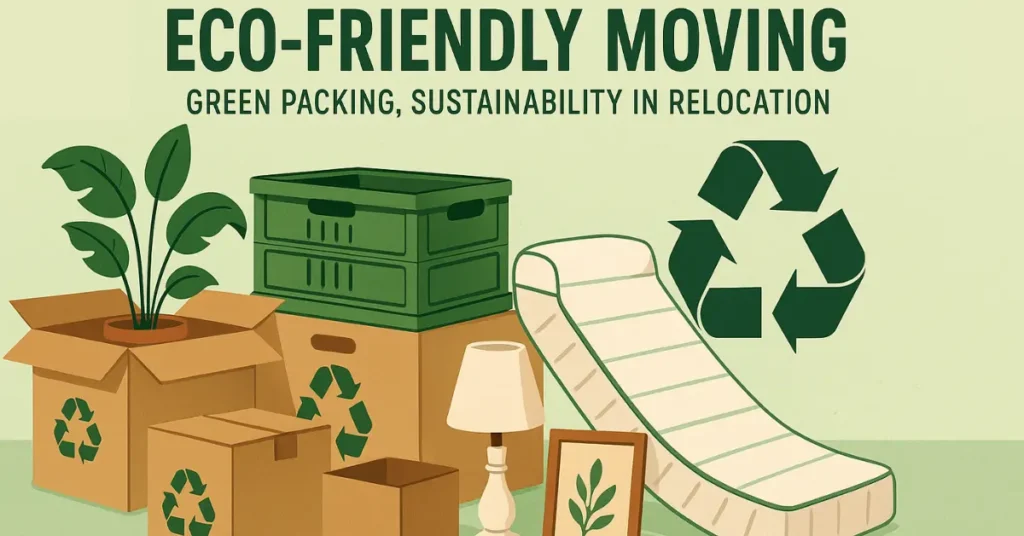
Looking for smart, eco-conscious ways to shift your home? This comprehensive guide covers green packing tips, biodegradable materials, zero-waste moving methods, and sustainable relocation strategies to make your move environmentally friendly and budget-efficient. For more expert Moving Tips, you can explore proven strategies that simplify your relocation process. From reusable crates to optimized transport, every step helps reduce your carbon footprint. For verified and reliable green relocation support, explore Packers and Movers — your trusted partner for sustainable home shifting services.
What Is Eco-Friendly Moving? (Definition & Importance)
Eco-friendly moving, also called sustainable relocation, focuses on reducing waste, lowering carbon emissions and choosing packing materials that are safer for the environment. From using reusable crates to optimizing transportation routes, the goal is to make every part of the moving process greener and more responsible.
Understanding Sustainable Relocation
A sustainable move aims to:
- Reduce the use of single-use packaging
- Reuse existing household materials for packing
- Rely on recyclable, biodegradable or reusable supplies
- Avoid unnecessary trips and fuel waste
Environmental Impact of Traditional Moving
A typical house move generates waste from:
- Cardboard boxes
- Bubble wrap & foam packaging
- Fuel emissions from multiple truck trips
EPA guidelines recommend reusing boxes and wrapping fragile items in household linens instead of buying new materials to reduce waste.
Why Eco-Friendly Moving Matters Today
A green move helps:
- Conserve natural resources
- Reduce pollution caused by manufacturing new materials
- Lower energy consumption in transport
Key Principles of Green Relocation
Core Elements of Eco-Friendly Moving
Principle | Description |
Reuse | Use crates, storage bins, towels and old clothes for packing. |
Recycle | Recycle paper, cardboard and plastics as per local rules. |
Reduce | Declutter, donate and sell unused items before moving. |
Optimize Transport | Combine loads, choose fuel-efficient vehicles. |
Key Steps
- Pack items in existing luggage, baskets and drawers
- Use compostable or recycled materials for cushioning
- Choose movers who follow sustainable policies
Benefits of Choosing a Green & Sustainable Move
Choosing an eco-friendly moving approach offers more than just environmental advantages. It also helps reduce costs, ensures a healthier moving experience and supports long-term sustainable living. Whether you are shifting within the city or relocating long-distance, adopting green practices makes the entire process more efficient and responsible.
Reduced Environmental Footprint
A green move significantly lowers the amount of waste generated. By reusing boxes, minimizing packing plastics and scheduling fewer trips, you help reduce overall emissions. Transportation contributes heavily to a move’s carbon footprint, and optimizing routes or choosing fuel-efficient vehicles directly reduces CO₂ output.
How Eco-Friendly Moving Shrinks Your Footprint
- Fewer cardboard boxes = less landfill waste
- Reduced plastic wrap = fewer toxins
- Optimized truck routes = lower fuel consumption
- Reusable crates = less manufacturing waste
Cost Savings Through Smart Packing Choices
Sustainable moving saves money because you are using more of what you already have and purchasing less of what you don’t need.
If you want to balance sustainability with budget planning, reviewing a detailed packers and movers cost guide helps estimate expenses more accurately.
How Green Packing Saves You Money
Method | Savings |
Using towels & bedsheets for wrap | Eliminates bubble wrap cost |
Reusing suitcases & bins | Reduces number of boxes needed |
Renting crates | No need to buy new cardboard boxes |
Selling unwanted items | Offsets moving expenses |
Using household materials such as comforters, newspapers and clothing reduces your packing material budget, while renting reusable crates eliminates the need for disposable boxes.
Health & Safety Advantages of Eco-Friendly Materials
Traditional packing materials like foam and plastic wraps can contain chemicals that aren’t ideal for indoor air quality. Eco-friendly options—such as cornstarch-based peanuts and recycled kraft paper—are gentler on your home environment.
Even with green packing methods, it’s important to understand what transit insurance covers during house shifting in case of accidental damage.
Benefits
- Lower exposure to chemical-based packaging
- Compostable and biodegradable materials break down naturally
- Reduced risk of microplastic contamination
Long-Term Lifestyle Sustainability Benefits
A green move encourages better habits even after the relocation is complete. By decluttering, donating and recycling before the move, you begin adopting a minimalist and environmentally conscious lifestyle.
Long-Term Effects
- Less clutter leads to reduced consumption
- Reusable materials encourage responsible shopping
- Energy-efficient home setups reduce monthly utility bills
Eco-Friendly Packing Materials You Should Consider
Sustainable relocation starts with choosing the right packing materials. Switching from traditional plastic-based supplies to biodegradable, compostable and reusable options can dramatically reduce the environmental impact of your move. These materials also make unpacking and recycling much easier once you reach your new home.
Biodegradable & Compostable Packing Supplies
Biodegradable packing materials break down naturally without harming the environment. These include cornstarch peanuts and plant-based foams, which are safe alternatives to traditional Styrofoam.
Eco-Friendly Options
- Cornstarch-based packing peanuts
- Compostable mailers
- Plant-based foam wraps
- Biodegradable wrapping paper
Why Choose Them?
- Reduce landfill buildup
- Break down in natural conditions
- Lower chemical exposure inside the home
Recycled Kraft Paper & Paper-Based Alternatives
Recycled kraft paper is one of the safest and most earth-friendly wrapping materials. It provides great cushioning for dishes, frames and breakables while being 100% recyclable.
Kraft Paper vs. Regular Packing Paper
Feature | Recycled Kraft Paper | Regular Packing Paper |
Recyclable | ✔ Yes | ✔ Yes |
Made from Recycled Material | ✔ High % | ✘ Not always |
Cost-Effective | ✔ Affordable | ✔ Affordable |
Eco-Impact | Low | Medium |
Best Uses
- Wrapping fragile items
- Layering inside boxes
- Filling empty spaces to prevent movement
Recycled Plastic Options (LDPE, HDPE)
When plastic is unavoidable, choose recycled LDPE or HDPE-based products. These materials are durable, reusable and can enter recycling streams again if disposed of properly.
Examples
- Reusable moving crates
- Recycled plastic bins
- LDPE or HDPE cushioning sheets
Advantages
- Long lifespan
- Weather and impact resistant
- Reduce need for single-use plastics
Eco-Friendly Cushioning: Cornstarch Peanuts & Corrugated Bubble Wrap
Instead of traditional bubble wrap, environmentally responsible options include:
Eco Cushioning Types
- Corrugated bubble wrap (paper-based, recyclable)
- Cornstarch peanuts (biodegradable)
- Shredded recycled paper
- Molded pulp trays
Why These Are Better
- No harmful microplastics
- Safe for home compost (depending on local rules)
- Strong protection for fragile goods
Green Alternatives to Traditional Cardboard Boxes
Traditional cardboard boxes are useful, but they often lead to high waste during relocation—especially when used only once. Today, environmentally conscious movers have access to multiple alternatives that are reusable, durable and more cost-efficient. These options not only reduce landfill waste but also make your move faster and more secure.
Reusable Plastic Crates & Totes
Reusable crates are one of the most popular eco-friendly alternatives. They are sturdy, stackable and designed for repeated use. Most crate rental companies deliver the crates to your home and pick them up once you’ve unpacked.
Benefits
- Stronger than cardboard
- No need for packing tape
- Water-resistant and crush-proof
- Reused dozens of times before recycling
Why Choose Crate Rentals?
- Saves money on buying new boxes
- Reduces packing time
- Minimizes waste generation
Foldable Moving Containers
Foldable plastic moving boxes are a hybrid solution—durable like crates, but collapsible for storage. These are ideal if you prefer owning your packing supplies but still want a green option.
Table: Crates vs. Foldable Boxes
Feature | Reusable Crates | Foldable Boxes |
Reusability | ✔ High | ✔ High |
Space Saving | Medium | ✔ Excellent |
Durability | ✔ Strong | ✔ Strong |
Cost | Rental | One-time purchase |
Renting Boxes Instead of Buying New Ones
Renting is a sustainable and budget-friendly choice. Most rental companies deliver sanitized crates and pick them up after the move, ensuring they’re reused again and again.
Benefits of Rental Boxes
- No storage issues after the move
- Reduced environmental impact
- Consistent size makes stacking easier
- Delivered and collected at your doorstep
Using Storage Bins You Already Own
Before buying anything new, check what you already have. Many items can double as moving containers.
Effective Household Alternatives
- Suitcases with wheels
- Plastic storage tubs
- Laundry baskets
- Travel bags
- Drawer organizers
EPA moving guidelines also support using household materials such as towels, newspapers and sheets to reduce the need for new supplies.
Zero-Waste Packing Tips for Every Household
Zero-waste packing aims to eliminate disposable materials and make smart use of what you already own. By adopting these methods, you significantly reduce waste while also cutting down moving expenses. Most zero-waste strategies focus on reusing existing household items, minimizing plastic use and ensuring recyclable materials are handled properly.
Packing with Clothes, Bedsheets & Towels
One of the simplest ways to avoid bubble wrap is by using household linens for cushioning. Towels, blankets and bedsheets provide excellent padding for delicate items.
How to Use Household Linens Wisely
- Wrap glassware in soft T-shirts
- Use blankets to protect electronics
- Line boxes with bedsheets for extra support
- Use scarves and dupattas for smaller breakables
Benefits
- Zero cost
- Reduces plastic waste
- Adds extra shock absorption during transport
Using Suitcases, Drawers & Baskets as Packing Units
Before buying boxes, make the most of what you already have. Suitcases, storage bins and even dresser drawers can hold a surprising amount of items.
Everyday Items That Replace Boxes
Item | Best For | Advantage |
Suitcases | Clothes, books, files | Easy to wheel, sturdy |
Plastic bins | Kitchenware, decor | Strong & reusable |
Laundry baskets | Toys, linens | Easy to carry |
Drawers | Clothing & accessories | Saves packing time |
How to Eliminate Single-Use Plastics While Packing
Minimizing plastic use is one of the biggest steps toward zero-waste moving.
Eco Alternatives
- Replace plastic wrap with kraft paper
- Use reusable straps or cloth ties instead of tape
- Only buy recyclable plastics (LDPE, HDPE) if unavoidable
- Choose paper-based or compostable cushioning
Tips
- Label crates with washable markers instead of stickers
- Avoid using cling films for wrapping furniture
- Keep a separate bag for plastic that can be recycled
DIY Wrapping Methods for Fragile Items
Using household materials creatively can eliminate the need for new packing products.
DIY Wrapping Ideas
- Wrap plates vertically using old newspapers
- Fill gaps with rolled-up socks
- Use old pillows for cushioning electronics
- Protect corners with folded cardboard from old packaging
Why DIY Wins
- Reduces packing expenses
- Keeps waste generation close to zero
- Adds personalized protection for fragile items
Sustainable Decluttering Before Moving
Decluttering before a move is one of the most powerful ways to reduce waste and lower your moving costs. By donating, selling, recycling and repurposing items you no longer use, you minimize the number of boxes needed and make your move lighter and more efficient. Sustainable decluttering ensures that items are reused, rehomed or recycled—instead of ending up in landfill.
Identifying Items to Donate or Sell
Before packing, categorize all your belongings into four groups: Keep, Donate, Sell, Recycle. This helps you stay organized and ensures nothing goes to waste.
What to Donate
- Books, clothes, toys
- Furniture in good condition
- Kitchen utensils and appliances
- Decoration items
Where to Sell
- Online marketplaces
- Local second-hand stores
- Garage or society sales
Why This Helps
- Reduces total packing volume
- Supports people who need the items
- Earns extra money to offset moving costs
Recycling Electronics & Home Appliances Responsibly
Electronics shouldn’t be thrown in the trash. They contain valuable metals and components that can be reused through proper recycling systems.
Recycle These Items Correctly
- Laptops, desktops and chargers
- Mobile phones and tablets
- Small appliances such as mixers or irons
- Entertainment devices
Why E-Waste Recycling Matters
- Prevents soil and water contamination
- Conserves natural resources
- Supports safer waste disposal
Upcycling Methods to Reduce Waste
Upcycling gives old items a second life with minimal effort.
Upcycling Ideas
- Convert old T-shirts into cleaning rags
- Turn unused drawers into under-bed storage
- Repurpose glass jars for kitchen organization
- Use old cardboard for corner protectors during packing
Benefits
- Saves money
- Reduces waste
- Encourages creative solutions
Choosing NGOs & Local Donation Centers
Choosing the right organizations ensures your items reach those who need them.
Where to Donate What
Category | Donation Option | Notes |
Clothes | Local NGOs / shelters | Must be clean & usable |
Electronics | E-waste drop-off centers | Check refurbishing eligibility |
Furniture | Community charity centers | Pick-up services available in many cities |
Books | Libraries, schools | Great for children’s books |
Donation Tips
- Always confirm what items are accepted
- Schedule donation pickups before moving day
- Keep receipts for tax benefits (if applicable)
Eco-Friendly Transportation & Logistics Options
Transportation contributes the largest share of emissions during a move. Choosing greener logistics—fuel-efficient trucks, electric vehicles, consolidated deliveries and optimized routing—can significantly reduce your carbon footprint. Modern packers and movers increasingly adopt such solutions to offer more sustainable relocation services.
Fuel-Efficient Moving Trucks
Fuel-efficient trucks consume less diesel or petrol, resulting in fewer emissions during transportation. Many moving companies now operate upgraded fleets with improved mileage and reduced pollution output.
Benefits of Fuel-Efficient Vehicles
- Lower carbon emissions
- Reduced fuel consumption
- Less noise pollution
- Improved long-distance performance
Choosing a mover that uses newer or well-maintained vehicles helps ensure a cleaner relocation.
Electric & Hybrid Vehicle Options
Electric and hybrid trucks are emerging as eco-friendly alternatives for both short-distance and urban moves. They produce zero tailpipe emissions, making them ideal for city relocations.
Why Choose Electric Moving Trucks?
- No direct CO₂ emissions
- Lower operational noise
- Ideal for congestion-prone areas
- Highly energy efficient
Several rental providers even offer electric box trucks for commercial and residential moves.
Route Optimization to Reduce Carbon Emissions
Route optimization uses technology to reduce wasted fuel by selecting the shortest or least congested path. This can significantly cut emissions and speeding up the moving process.
How Route Optimization Helps
- Reduces unnecessary mileage
- Saves fuel and time
- Lowers transport-related pollution
- Increases delivery efficiency
Studies show that optimized routing can reduce fleet emissions by a notable margin depending on usage patterns.
Consolidated or Shared Moving Services
Consolidated moves combine multiple shipments into one truck, reducing fuel use per customer. This option is both budget-friendly and environmentally responsible.
Individual Moving Truck vs. Shared Move
Feature | Individual Truck | Shared/Consolidated Truck |
Fuel Usage | High | Low |
Cost | Higher | More affordable |
Carbon Footprint | Higher | Significantly reduced |
Best For | Large moves | Small to medium moves |
Advantages of Consolidated Moves
- Lower transportation costs
- Reduced environmental impact
- Ideal for flexible moving dates
How to Choose an Eco-Conscious Packers and Movers Company
Choosing the right moving company plays a crucial role in making your relocation truly eco-friendly. Many movers now offer sustainable services such as reusable crates, fuel-efficient fleets, waste-sorting systems and donation support. Evaluating a company’s green policies helps ensure your move aligns with sustainable standards.
For example, customers relocating in Cochin can benefit from verified packers and movers in Cochin who offer reusable crates and fuel-efficient transport.
Checking Green Certifications & Sustainability Policies
A professional eco-conscious moving company will have clear sustainability commitments. These may include certifications, internal environmental policies or green business registrations.
What to Look For
- ISO 14001 (Environmental Management Standards)
- B Corp or Local Green Business certifications
- Transparent sustainability statements on their website
- Evidence of recycling or reuse programs
Why Certifications Matter
- Ensures authenticity
- Identifies regulated green practices
- Protects customers from greenwashing
Services That Indicate a Green Moving Company
Green movers offer services that directly reduce waste, pollution and carbon emissions.
Key Eco-Friendly Services
- Reusable crate rentals instead of cardboard boxes
- Fuel-efficient or electric trucks
- Packing materials made from recycled or biodegradable content
- Recycling of used boxes and packing waste
Benefits
- Lower overall waste
- Streamlined packing/unpacking
- Higher protection and durability
Questions to Ask Before Hiring Movers
Asking the right questions helps verify if a moving company is genuinely eco-friendly and not simply using “green” as a marketing term.
Before finalizing any mover, follow this hiring checklist to verify sustainability claims, service quality and pricing transparency.
Important Questions
- Do you offer reusable crates or eco packing materials?
- How do you dispose of packing waste after a move?
- Do you operate fuel-efficient or electric vehicles?
- Are your packing supplies recyclable or biodegradable?
- Do you provide documentation of your sustainability practices?
Why This Matters
- Ensures transparency
- Helps you avoid companies with misleading claims
- Lets you compare sustainability levels across movers
How to Verify Their Recycling & Waste Management Procedures
A credible eco-friendly mover will have clear waste-handling policies and partnerships with recycling or donation centers.
Waste-Management Checks
What to Check | Why It’s Important | Example |
Waste sorting process | Ensures items are recycled correctly | Paper, plastic, e-waste separated |
Partnerships | Confirms recycling authenticity | Local recycling centers, NGOs |
Pick-up & return system | Supports reuse | Crate pickup after delivery |
Customer reviews | Confirms past performance | Sustainability ratings from clients |
How to Validate
- Ask for written recycling guidelines
- Request photos or documentation of past eco-moves
- Check if they provide donation drop-offs for reusable goods
Post-Move Sustainability Tips for Your New Home
Sustainability shouldn’t stop once you arrive at your new home. Post-move eco-friendly practices help you maintain a low-waste lifestyle while ensuring all packing materials are properly handled. From setting up recycling systems to composting and improving home efficiency, there are many ways to continue your green journey long after the move is complete.
How to Recycle or Reuse Packing Materials
Once you’ve unpacked, separate all leftover packing supplies into categories—reusable, recyclable and compostable.
How to Handle Each Material
- Cardboard boxes: Flatten and recycle through local curbside programs
- Paper wrapping: Recycle if not too soiled
- Reusable crates: Return to rental provider
- Plant-based peanuts: Compost based on local rules
Tips for Reusing Materials
- Save boxes for storage
- Use shredded paper for future gifts
- Repurpose jars, containers and bins for organizing
Setting Up an Energy-Efficient Home
A new home offers the perfect opportunity to create a more energy-efficient environment.
Actions to Take Immediately
- Replace old bulbs with LED lights
- Seal window gaps to prevent air leaks
- Use power-saving modes on appliances
- Install smart power strips to reduce standby power
Benefits
- Lower monthly utility bills
- Reduced carbon footprint
- Improved indoor comfort
Composting & Waste Segregation After Moving
Waste segregation helps keep recyclables out of landfills, while composting reduces the volume of kitchen waste.
Waste Segregation Categories
Category | What Goes In | Disposal Method |
Wet Waste | Food scraps, peels | Composting |
Dry Waste | Paper, plastic, cardboard | Recycling |
E-Waste | Batteries, chargers, electronics | E-waste centers |
Hazardous Waste | Chemicals, paint | Special disposal |
Composting Tips
- Start with a small kitchen composter
- Add vegetable peels, coffee grounds, dry leaves
- Avoid non-biodegradable and oily items
Long-Term Eco-Friendly Living Practices
Your long-term sustainability journey begins with daily habits.
Long-Term Practices
- Donate or sell items you no longer use
- Buy durable items instead of disposable ones
- Choose eco-friendly cleaning products
- Maintain appliances for better efficiency
Why It Matters
- Builds a greener lifestyle
- Reduces overall household waste
- Encourages responsible consumption
Conclusion Summary
Eco-friendly moving isn’t just a trend — it’s a responsible and practical approach that benefits your home, your wallet and the environment. By choosing reusable packing materials, eliminating single-use plastics, decluttering responsibly, and opting for fuel-efficient or electric moving trucks, you significantly reduce waste and lower your carbon footprint. Post-move habits such as recycling, composting and setting up an energy-efficient home help maintain long-term sustainability. With the right strategies and the right moving partners, a green move becomes simple, affordable and highly effective.
Ready for a smooth, eco-friendly relocation?
Choose 6 Packers and Movers — your trusted partner for sustainable, affordable and professional home shifting.
From reusable packing materials to fuel-efficient transport, we help you move responsibly while ensuring maximum safety and convenience.
Book your green move today and experience smarter, cleaner relocation!