
Pre-Move Packing Checklist for a Smooth Household Relocation
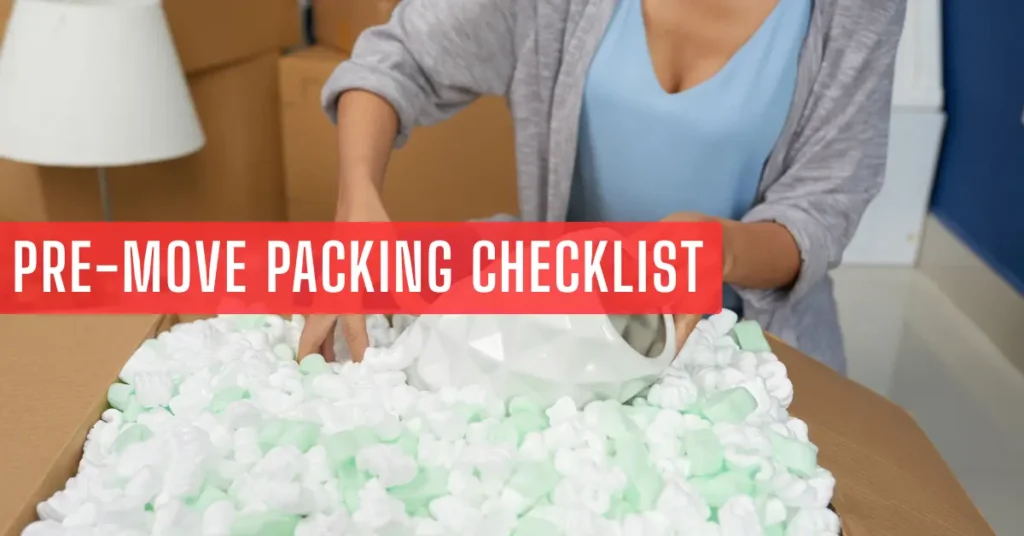
A smooth household relocation starts long before the moving truck arrives at your doorstep. Most homeowners underestimate how much time, planning, and organisation is required to pack an entire home safely. A structured pre-move packing checklist helps you avoid last-minute chaos, prevents damage, reduces packing stress, and ensures that every room is packed with purpose. Whether you’re relocating within the city or shifting to a new state, a clear timeline—covering decluttering, packing essentials, room-wise planning, and furniture prep—makes the entire journey much easier. If you plan to hire professionals, experienced packers and movers can manage packing, loading, and transportation more efficiently.
This guide is designed based on verified moving best practices and reliable online resources. It walks you through everything you should do from 4–6 weeks before moving day up to the final 24 hours, ensuring nothing gets missed. You will also find an actionable room-by-room plan, an essentials box checklist, and steps to prepare appliances and furniture safely. For local relocations, choosing reliable packers and movers in Trivandrum ensures better coordination and timely packing support.
Throughout the guide, you will also find opportunities to connect with trusted Packers and Movers who can take over the heavy lifting, provide professional packing materials, and reduce the risk of transit damage.
1. Start Early: 4–6 Weeks Before Moving Day
Planning early gives you enough time to organise your home, reduce unnecessary load, and secure a reliable moving partner.
Key Tasks (4–6 Weeks Before Moving)
- Start decluttering room by room
- Identify items to keep, donate, sell, or discard
- Begin packing non-essential items
- Book your moving service early to avoid peak-season delays
Early booking also helps movers provide a more accurate estimate—here’s a detailed guide on how packers and movers calculate moving costs.
Early Decluttering
Category | Recommended Action | Notes |
Clothes | Donate / Sell | Start with off-season clothing |
Books & Décor | Pack Early | Least used items |
Furniture | Evaluate Need | Sell bulky items if not required |
Documents | Organise & Separate | Keep essential files in a folder |
Why Starting Early Helps
- Reduces last-minute stress
- Prevents unnecessary packing
- Ensures box count accuracy
- Helps movers give accurate pricing
- Allows time to gather proper packing materials
2. Gather Essential Packing Materials
The right packing materials play a major role in preventing damage during handling and transportation. Most damages occur not because of rough transit, but due to poor-quality boxes, weak tape, or insufficient cushioning. Before you begin packing, gather all essential supplies so the process stays fast, safe, and organised.
Even with careful packing, unforeseen risks exist—understanding what transit insurance covers during house shifting helps protect your belongings from loss or damage.
Essential Packing Materials Checklist
- Sturdy cardboard boxes (Small, Medium, Large)
- Heavy-duty packing tape & dispenser
- Bubble wrap and packing paper
- Stretch/Cling wrap for furniture
- Marker pens and color-coded labels
- Zip-lock bags for screws and cables
- Mattress covers and sofa covers
- Rope/nylon straps for securing items
- Speciality boxes for TV, glassware, and wardrobes
Packing Materials
Material | Purpose | Notes |
Small Boxes | Books, tools, utensils | Prevents overweight boxes |
Medium Boxes | Clothes, toys, kitchen items | Most commonly used size |
Large Boxes | Bedding, pillows | Avoid filling with heavy items |
Bubble Wrap | Fragile items | Wrap glassware, electronics |
Stretch Wrap | Furniture | Prevents scratches and dust |
Labels & Markers | Identification | Use for room-wise tagging |
Expert Tip
If you are hiring professional Packers and Movers, they provide industrial-grade packing materials, which offer better cushioning than regular shop-bought supplies.
Why This Step Matters
- Ensures secure packing of fragile items
- Prevents breakage of electronics
- Speeds up unpacking through proper labeling
- Reduces total box count with efficient packing
3. Room-by-Room Packing Plan
A structured room-by-room packing approach ensures efficiency and minimizes confusion during unpacking. Each room has unique items, fragility levels, and packing priorities, so having a tailored strategy saves time and reduces the risk of damage.
Living Room & Electronics
- Pack decorative pieces and books first
- Use bubble wrap for photo frames, clocks, and showpieces
- For electronics: remove batteries, secure cables, and pack in original boxes if available
Kitchen & Fragile Items
- Wrap plates vertically using bubble wrap
- Use dish-pack boxes for extra protection
- Seal spice jars tightly and wrap oil bottles
- Pack appliances like mixers and blenders in cushioned boxes
Bedroom & Wardrobe
- Pack off-season clothes first
- Use wardrobe boxes for hanging clothes
- Roll delicate fabrics for wrinkle-free packing
- Keep jewellery and personal valuables with you
Bathroom Essentials
- Dispose of nearly empty bottles
- Seal shampoo/conditioner bottles with tape to prevent leaks
- Pack medicines separately in waterproof pouches
Kids’ Room & Home Office
- Pack toys in transparent boxes
- For home office: label cables, protect monitors, pack documents in waterproof folders
Room-Wise Packing
Room | Priority Items | Special Instructions |
Living Room | TV, frames, décor | Use anti-static wrap for electronics |
Kitchen | Glassware, jars, utensils | Wrap all fragile items individually |
Bedroom | Clothes, bedding | Vacuum-seal bedding if possible |
Bathroom | Toiletries, medicines | Use leak-proof packing |
Kids/Home Office | Toys, books, laptops | Keep essential gadgets with you |
4. Create a Moving-Day Essentials Box
An essentials box is one of the most important—yet most overlooked—parts of a smooth relocation. It contains all the items you’ll need immediately upon reaching your new home, without having to search through dozens of boxes. This box should always travel with you, not in the moving truck.
What to Include in Your Essentials Box
- Important documents: ID proofs, rental agreements, medical records
- Toiletries: toothbrush, soap, shampoo, towel
- Medications & first-aid kit
- Basic kitchen items: a pan, cups, plates, spoons
- Chargers, power bank, extension board
- 1–2 days of clothes for each family member
- Baby care items (if applicable)
- Snacks & drinking water
Essentials Box
Category | Items | Notes |
Documents | IDs, files, insurance papers | Carry in a waterproof folder |
Daily Use | Toiletries, towels, soaps | Pack separately for easy access |
Electronics | Chargers, power bank | Keep in hand baggage |
Medical | Prescriptions, first-aid | Store safely in zip-lock bags |
Food & Baby Items | Ready-to-eat food, diapers | Pack last to keep fresh |
Why You Need an Essentials Box
- Saves time on the first day in the new home
- Prevents stress from searching for urgent items
- Ensures immediate access to medications and chargers
- Helps you settle in comfortably before unpacking
Pro Tip
If you’re moving with the help of trusted Packers and Movers, inform them that this box is not to be loaded with regular household goods.
5. Labeling, Inventory & Colour-Coding System
A clear labeling and inventory system ensures your boxes are easy to identify, prevents misplacement, and speeds up both loading and unloading. This step is especially crucial when working with professional Packers and Movers because it helps them place boxes in the correct rooms instantly.
How to Label Your Boxes Effectively
- Write the room name (e.g., Kitchen, Bedroom 1) on all sides of the box
- Add a short description of contents (e.g., “Plates & Bowls” or “Winter Clothes”)
- Number each box and maintain a master list
- Use color-coded stickers for quick identification
- Mark “FRAGILE” clearly on boxes containing glassware or electronics
Benefits of a Colour-Coding System
- Reduces unloading confusion
- Helps movers place boxes in the right rooms
- Makes the unpacking process faster and more organised
- Minimises the risk of losing small or non-visible cartons
Sample Colour Code
Room | Colour Tag | Notes |
Living Room | Green | For décor, electronics, books |
Kitchen | Red | For glassware, utensils, jars |
Master Bedroom | Blue | Clothes, bedding |
Kids’ Room | Yellow | Toys, books |
Home Office | Orange | Laptop accessories, files |
Inventory Management Tips
- Maintain a digital or physical list of box numbers and contents
- Highlight high-value items for extra care
- Share a copy of your inventory with your movers for transparency
6. Prepare Furniture & Large Appliances
Furniture and large appliances require special attention because they are bulky, heavy, and more prone to damage. Proper preparation ensures safer handling and reduces the risk of dents, scratches, or internal component damage during transportation.
Furniture Preparation Steps
- Dismantle where possible: Remove legs from tables, detach headboards, and disassemble modular furniture.
- Secure screws and hardware: Store them in labelled zip-lock bags and tape the bag to the furniture piece.
- Wrap with protective materials: Use moving blankets, bubble wrap, and stretch wrap to prevent scratches and dust.
- Avoid dragging furniture: Always lift or use sliders for movement inside the house.
Preparing Large Appliances
- Refrigerator: Defrost completely 24 hours before the move. Clean the shelves, remove food items, and secure the door.
- Washing Machine: Drain water, detach hoses, and secure the drum with transit bolts if available.
- Microwave & Oven: Clean interiors, remove detachable trays, and pack separately.
- TV & Electronics: Use original boxes or TV-safe boxes with thick padding.
Furniture & Appliance Prep
Item | Action | Notes |
Sofa/Chairs | Wrap with stretch wrap | Prevents dust and tears |
Bed | Remove headboard, dismantle frame | Keep hardware in labelled pouch |
Refrigerator | Defrost & clean | Defrosting may take hours |
Washing Machine | Remove hoses & drain | Secure the drum |
TV/Monitors | Use padded boxes | Avoid screen pressure |
Pro Tip
If your hired Packers and Movers offer dismantling services, let them handle bulky items—they carry the right tools and anti-scratch protective materials.
7. Final Week Packing Tasks
The final week before moving day is all about closing the remaining gaps—finishing essential packing, clearing hidden storage spaces, handling hazardous materials, and preparing your home for the movers. This stage ensures that moving day runs smoothly without last-minute surprises.
Checklist for the Final 7 Days
- Pack daily-use items that you were using until now
- Finish packing bathroom essentials and bedside items
- Check all cupboards, storage beds, cabinets, and lofts
- Confirm elevator booking (if applicable in your building)
- Dispose of hazardous items such as paint, kerosene, nail polish remover, and gas cylinders as per safety norms
- Prepare a separate folder for final-day documents and bills
What Not to Pack
Some items are prohibited or unsafe for transport and should never be handed over to movers.
- Flammable liquids
- Explosive materials
- Perishables (fresh food, leftovers)
- Gas cylinders (unless allowed by building/transport rules)
Final Week Task
Task | Action | Notes |
Bathroom Items | Seal bottles & pack in leak-proof bags | Prevent spills during transit |
Hidden Storage | Check lofts, drawers, overhead compartments | Commonly forgotten areas |
Hazardous Waste | Dispose responsibly | Movers will not carry these |
Building Permissions | Book lift/elevator | Saves time on loading day |
Documents | Keep accessible | Carry personally, not in truck |
8. Final Day Pre-Move Checks
The final 24 hours before your move are crucial. This is the time to verify all packed items, secure your home, and ensure your movers have everything they need for a smooth loading process. A quick, structured final-day walkthrough helps prevent forgotten items, misplaced boxes, or delays.
Must-Do Checks on Moving Day
- Count all packed boxes and match them with your inventory list
- Ensure all “FRAGILE” boxes are properly marked and placed separately
- Disconnect and secure all appliances
- Turn off lights, fans, gas valves, and water connections
- Keep your essentials box and documents bag with you—not with the movers
- Guide the moving team to the correct rooms using your color-coded system
Home Safety & Closure Tasks
- Check all wardrobes, kitchen cabinets, lofts, and balconies
- Ensure windows and doors are locked after movers finish loading
- Take meter readings (electricity, water, gas) for final billing
- Collect or hand over keys if you are vacating a rented property
Final Day Pre-Move
Category | Task | Notes |
Inventory | Match box count | Helps during unloading |
Fragile Items | Check labels & cushioning | Keep aside for safe loading |
Appliances | Disconnect safely | Movers handle loading |
Home Safety | Lock all rooms & windows | Avoid post-move issues |
Utilities | Take meter readings | Prevent billing disputes |
Pro Tip
Walk through your entire home twice—first alone and then with your mover’s supervisor. This double-check approach significantly reduces forgotten items.
A successful household relocation is the result of structured planning, room-wise organisation, proper packing materials, and timely execution. By following this complete Pre-Move Packing Checklist, you ensure that every stage—from decluttering and gathering supplies to packing room by room and completing final-day checks—is handled with care and precision. These steps reduce stress, prevent damages, and help you settle into your new home smoothly.
Whether you’re moving within your city or shifting to a new state, partnering with trusted professionals can make all the difference. Before finalising a moving company, review this step-by-step guide on how to choose the best packers and movers to avoid hidden risks. Verified Packers and Movers bring expertise, high-quality packing materials, and experience in handling fragile, bulky, and high-value items safely. Use this checklist as your moving blueprint, and combine it with professional support for a seamless relocation experience.
If you’re preparing for your move, save this guide or convert it into a printable list for easy reference. With the right preparation and support, your relocation will be smooth, stress-free, and well-organized.