
How to Declutter Before Moving: What to Keep & What to Leave
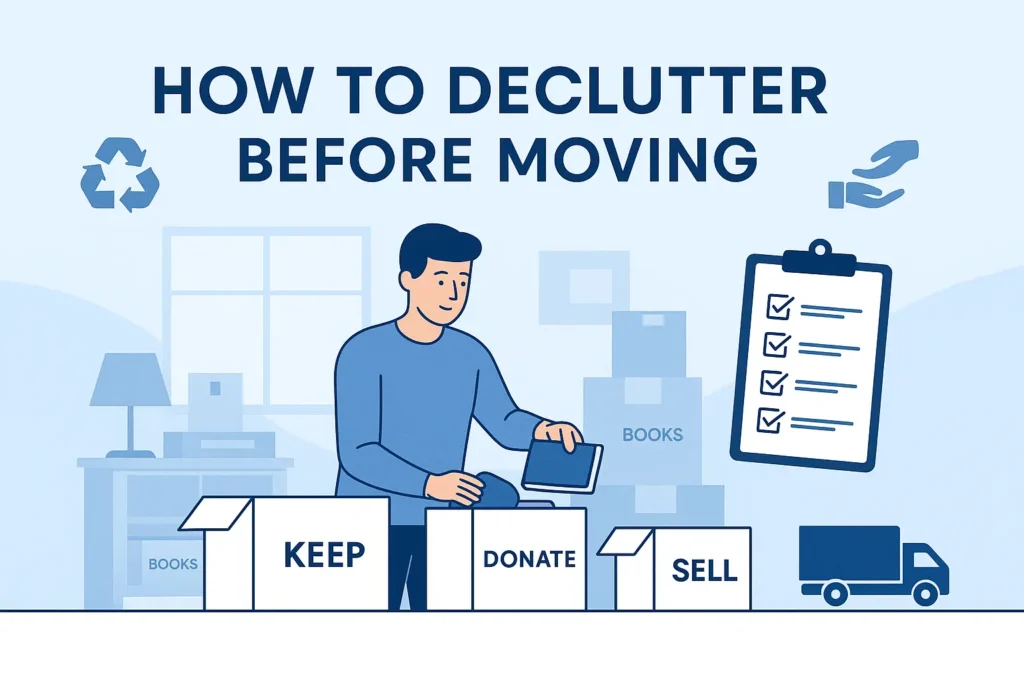
Before the packing even starts, one of the smartest things you can do is declutter your home and make intentional decisions about what truly deserves a place in your new space. Not only does this simplify packing, it also reduces moving costs, saves time, and helps avoid carrying unnecessary clutter into your new home. If you’re planning a relocation and want expert help, you can explore Trusted Packers and Movers to manage the logistics while you focus on planning your move efficiently. Decluttering also allows you to evaluate each item based on usefulness, condition, and emotional value — a process that many moving experts recommend because it helps reduce stress and ensures a smoother, faster relocation experience. It also prepares you for a fresh start by eliminating items that no longer fit your lifestyle or won’t suit the new home layout.
Why Decluttering Before Packing Is Essential
Decluttering before you start packing is one of the most effective ways to reduce stress, minimize workload, and lower the overall cost of your move. When you clear out what you no longer need, you automatically reduce the number of boxes, packing materials, and truck space required — which means you end up paying less and packing faster. This early step also ensures you aren’t wasting time wrapping, boxing, and transporting items that will eventually be discarded once you settle into your new home. Additionally, decluttering creates a sense of control during the chaotic moving phase and prepares you for a more organized, refreshed start.
How Decluttering Reduces Moving Costs
Most moving companies calculate charges based on the volume or weight of your belongings. Fewer items = fewer cubic feet = a smaller vehicle or fewer trips. This automatically reduces labor charges, fuel cost, and packing material usage. Even removing 15–20% of unnecessary household items can create significant savings. You can understand this better by checking our detailed guide on packers and movers cost in India, which explains how volume directly impacts pricing.
Benefits for Faster, Stress-Free Packing
Decluttering allows packers — or you, if packing yourself — to work more efficiently. Instead of navigating through piles of unneeded items, you start with a clean, organized inventory. This speeds up the boxing and labeling process and reduces the chances of misplacing items or mixing unrelated categories together.
Avoiding Unwanted Items in the New Home
Many people mistakenly pack everything, only to discard half of it after moving. By decluttering early, you avoid cluttering your new space with old, unused, or worn-out belongings. This ensures that your new home stays fresh, functional, and easy to maintain.
Understanding Volume-Based Moving Charges (Indian Context)
Although pricing varies between cities and moving companies, the core principle remains the same: more items cost more money to move. Movers often assess household size and item volume during the initial survey to determine truck size and packing material quantity. Reducing volume before the survey can lead to a noticeably lower quote and a more accurate estimate overall.
For example, when relocating locally, hiring professional packers and movers in Kanpur becomes more affordable if you declutter before the survey.
Room-by-Room Decluttering Checklist (Start With Easy Areas)
Decluttering works best when approached systematically, rather than trying to clean the entire house at once. Professional moving guides recommend starting with low-emotional, low-clutter areas to build momentum, then gradually moving toward spaces where decision-making takes longer. This structure prevents overwhelm, keeps the process organized, and ensures you don’t waste time re-sorting the same items repeatedly.
Step 1 — Begin With Low-Emotional Rooms (Bathroom, Utility Area)
Bathrooms and utility areas typically have fewer sentimental items, making them the easiest place to begin. Look for expired products, unused toiletries, broken tools, or old cleaning supplies. These rooms help you get into the decluttering mindset without emotional fatigue. The goal here is simple: clear out what is expired, duplicated, or unused so you don’t end up transporting unnecessary waste.
Step 2 — Move to Medium-Clutter Zones (Kitchen, Living Room)
Next, move into slightly more complex areas like kitchens and living rooms. Kitchens often have duplicate utensils, worn-out tools, expired foods, and appliances you no longer use. Living rooms contain books, décor, gadgets, and furniture pieces that may not fit or match the layout of your new home. Decluttering these rooms early helps reduce the bulk of your moving inventory while giving you time to sell, donate, or repurpose items ahead of packing day.
Step 3 — Handle High-Clutter Spaces Last (Wardrobe, Storage, Sentimental Boxes)
Wardrobes, storage rooms, and sentimental areas like memory boxes typically require more time and emotional energy. These spaces often contain items you haven’t seen or used in years. Experts suggest leaving these areas for the end because, by this time, you’ve already built confidence and momentum from completing easier zones. This makes decision-making easier and faster.
Using the “One Room Per Day” Rule
To prevent burnout, follow a simple routine: declutter one room or one defined section per day. This keeps the workload manageable and ensures consistent progress. For larger homes, you can break the task into micro-zones — for example, “wardrobe shelves today, drawers tomorrow.”
Tracking Progress With a Decluttering List or App
Maintaining a checklist or using a decluttering app helps you stay organized and track completed areas. It also ensures no room or zone is overlooked. As you complete each section, your inventory becomes clearer, making packing and labeling far easier.
How to Sort Items Into Keep, Donate, Sell, Recycle & Discard Categories
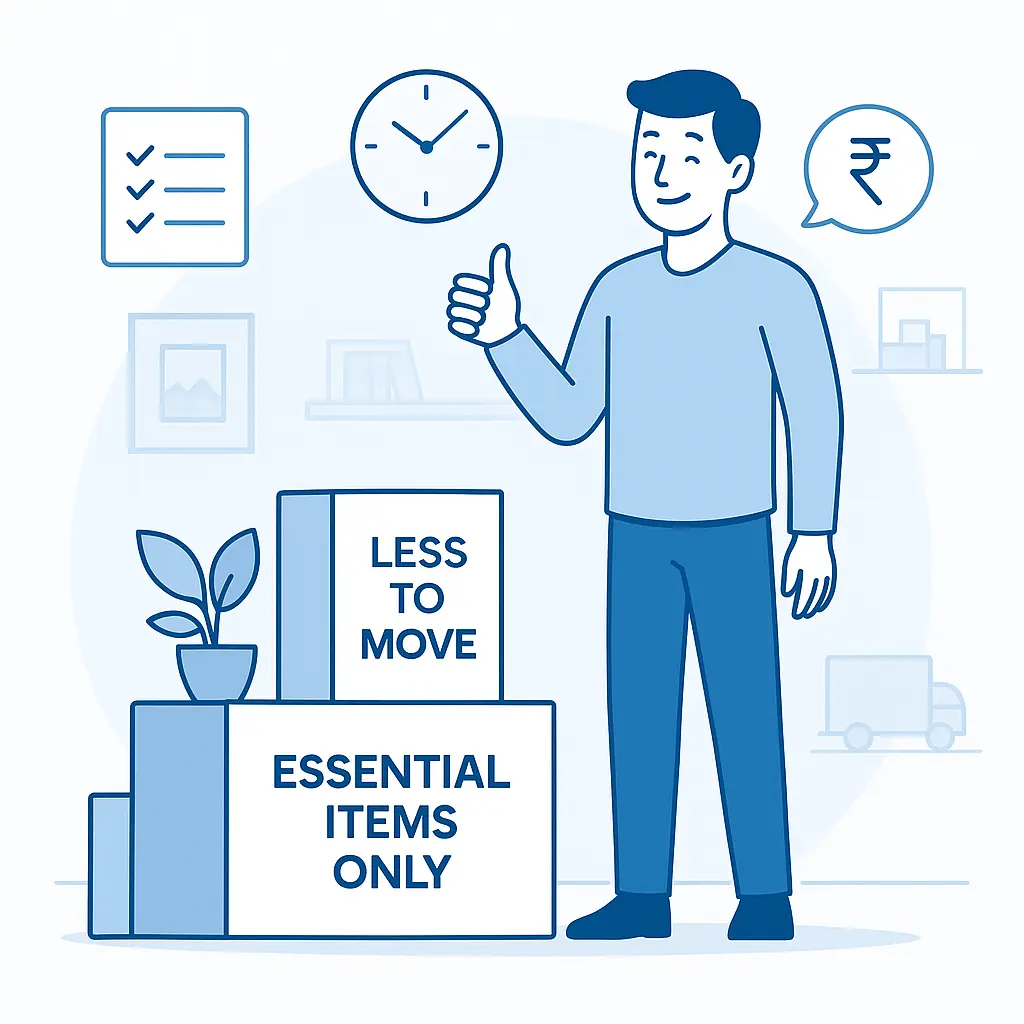
A structured sorting system prevents confusion and helps you make quick, confident decisions about each item. Moving experts often recommend dividing everything into five clear categories: Keep, Donate, Sell, Recycle, and Discard. This ensures that nothing random ends up in the moving boxes and helps you handle unwanted items responsibly.
The 5-Category Sorting Method Explained
Sorting items into five groups allows you to evaluate each belonging based on usefulness, condition, and whether it fits into your new lifestyle.
- Keep: Essential items, favorites, or things that will be used in the new home.
- Donate: Items in good condition that can benefit someone else.
- Sell: Valuable but unused items that can generate extra funds.
- Recycle: Objects made of materials like plastic, metal, and paper that can be environmentally processed.
- Discard: Broken, expired, or non-recyclable items.
Decluttering also helps when deciding how to choose reliable packers and movers, as it allows you to get accurate quotes without last-minute surprises.
This segmented approach ensures clarity, reduces clutter, and helps avoid repacking items that should have been eliminated much earlier.
Setting Up Sorting Zones in Each Room
Before you begin, designate physical areas (or labeled bins) for each category. Having separate zones prevents mix-ups and makes the process faster. Whether you’re working in the kitchen, living room, or bedroom, these dedicated sorting spaces help you stay organized and avoid accidental packing of unwanted belongings.
How to Speed Up Sorting Using the “Two-Minute Rule”
The Two-Minute Rule is simple:
If deciding about an item takes more than two minutes, it likely belongs in Donate, Sell, or Discard.
This helps prevent decision fatigue and keeps the process moving at a steady pace. It’s especially helpful when dealing with clothes, kitchen gadgets, books, or random household items that tend to pile up.
What to Do With Items You’re Unsure About
If you’re stuck on certain items, use a “decision delay box.” Place the item in a sealed, labeled box and revisit it after a set period. If you haven’t needed or thought about the item by then, it’s a clear sign that you don’t need to take it to your new home.
Labelling Bags & Boxes for Quick Disposal
Anything categorized as Recycle, Donate, or Discard should be boxed or bagged separately and labeled clearly. This prevents them from accidentally mixing with your “Keep” items during the rush of packing day.
Labeling also helps you schedule pickups, drop-offs, or resale without sorting everything again later.
Decluttering Strategies for Specific Categories
Different types of household items require different decluttering approaches. Some categories, like clothes and books, accumulate gradually without us noticing. Others — like furniture and electronics — consume significant space and directly impact the cost of moving. Using category-specific strategies helps you make practical, faster decisions and prevents you from carrying unnecessary bulk into your new home.
Clothes — Seasonal Sorting & Quality Check
Clothing is often the largest source of hidden clutter. Start by sorting items by season, usage, and condition.
Questions to guide the process:
- Does it fit well?
- Have I worn it in the last year?
- Is it damaged or outdated?
Clothes that no longer fit your lifestyle, climate, or new home storage capacity can go into Donate or Sell categories. This also helps reduce the number of boxes significantly.
Furniture — Keep, Sell, or Refurbish?
Furniture affects your moving cost the most because of its bulk and weight. Before deciding what to move, consider:
- Does this furniture match the style of the new home?
- Will it physically fit the new rooms?
- Is the cost of moving it higher than its resale value?
Large or outdated pieces may not justify the moving expense. Selling or donating them before the move gives you more flexibility and reduces overall relocation cost.
Decluttering large furniture early also reduces damage risk and helps you understand what transit insurance covers during house shifting.
Books — What Is Worth Carrying?
Books are emotionally significant but also heavy. Ask yourself:
- Will I read this again?
- Do I already have a digital copy?
- Is it a collectible or special edition?
Donate duplicates, outdated textbooks, and books you no longer need. This not only saves space but also cuts down packing time and box weight.
Electronics — Test, Sell, Donate, Recycle
Before packing electronics, test everything — chargers, cables, speakers, old phones, kitchen gadgets, etc.
If a device is unused, outdated, or broken:
- Sell working items in good condition
- Donate functional but unused gadgets
- Recycle damaged or outdated electronics through an e-waste facility
This ensures you don’t pay to transport electronics that won’t be used in the new home.
Kitchen Items — Expired, Duplicates & Rarely-Used Gadgets
Kitchens accumulate a surprising amount of clutter — extra utensils, duplicate tools, cracked containers, and expired foods.
Sort items into:
- Daily essentials
- Occasional-use items
- Rare-use gadgets
- Expired or damaged items
Food items that are perishable or past their use date should be discarded well before moving, since movers will not transport perishables.
Décor Items — Choose Based on New Home Style
Décor pieces like paintings, wall art, vases, figurines, and artificial plants should be assessed based on:
- Compatibility with the new home’s layout
- Condition and fragility
- Whether they match your current style preferences
If an item no longer aligns with your aesthetic or will not have an appropriate place in the new home, it’s better to sell or donate it before moving.
How to Create a Pre-Packing Decluttering Timeline
A structured decluttering timeline ensures you don’t rush the process or leave decisions for the last minute. Spreading tasks over several weeks keeps you organized, reduces stress, and gives enough time to sell, donate, or dispose of items responsibly. Moving guides recommend starting decluttering at least 4 weeks before packing so every category and room can be handled thoughtfully without burnout.
4 Weeks Before Moving — Start With Non-Essentials
Focus first on areas and items you don’t use daily:
- Storage rooms
- Extra linens
- Seasonal clothing
- Old décor
- Books you won’t re-read
- Extra utensils or dishes
This early start helps you build momentum while freeing up space to organize the rest of your home. It also allows extra time to sell higher-value items online.
3 Weeks Before Moving — Sell & Donate Items
Once non-essential items are sorted, shift to selling and donating:
- List usable items online
- Schedule pickups with charities
- Drop off donations at centers
- Recycle electronics or scrap materials
This stage clears out larger spaces and reduces the number of boxes you’ll need during packing week.
2 Weeks Before Moving — Deep Decluttering of Main Areas
Now focus on the busiest areas of your home:
- Kitchen drawers and cabinets
- Wardrobes
- Shoe racks
- Living room shelves
- Study room items
- Toiletries & utility supplies
Remove duplicates, unused items, old clothing, expired products, and gadgets you no longer need. This ensures only useful, essential belongings remain before packing begins.
1 Week Before Moving — Final Sorting & Disposal
During the final week:
- Clear out the remaining clutter
- Dispose of hazardous items safely
- Finish selling or donating remaining goods
- Confirm recycling pickups
- Keep only daily-use items unpacked
This is also the time to ensure that no last-minute items get mixed into the “to pack” pile.
48 Hours Before Packing — Quick Last-Minute Check
Do a final walkthrough of the entire home:
- Check all cabinets, drawers, and lofts
- Ensure no unnecessary items have been left behind
- Confirm that “Donate,” “Sell,” and “Discard” piles are cleared
- Box up any leftover recyclables or trash
This last step prevents unwanted items from sneaking into moving cartons and helps packers work faster and more efficiently.
Ready to make your move easier, faster, and stress-free?
Choose trusted packers and movers who handle everything from careful packing to safe delivery, so you can focus on starting fresh in your new home. Whether you’re shifting locally or long-distance, get free quotes, compare top-rated professionals, and book your move with confidence.
Start your hassle-free relocation today — your smooth move is just a click away!