
How to Pack and Move Home Gym Equipment Safely (Complete Step-by-Step Guide)
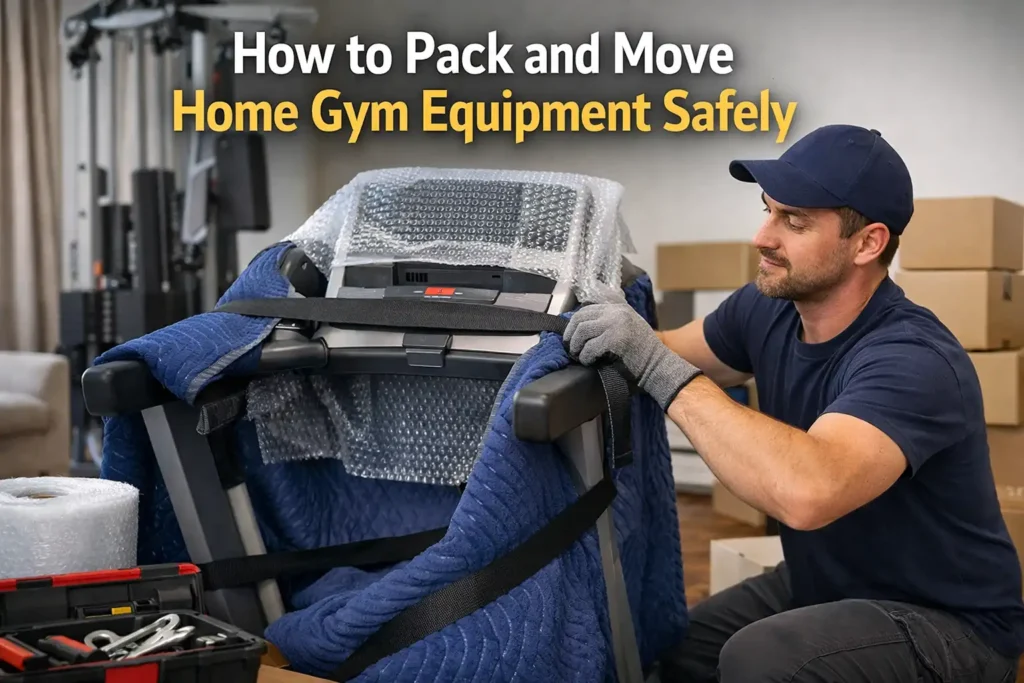
Moving a home gym isn’t like packing furniture. Gym equipment combines heavy loads, awkward shapes, and sensitive mechanical or electronic parts, which increases the risk of injury and damage if handled incorrectly. Proper planning, understanding equipment-specific risks, and using safe handling methods are essential to protect both people and machines during relocation.
Moving heavy gym equipment safely often requires trained handling, which is why many homeowners prefer professional packers and movers services instead of attempting risky DIY moves.
Understand Your Home Gym Equipment and Moving Risks
Before touching tools or packing materials, it’s critical to understand what you’re moving and why gym equipment requires special handling. Different machines pose different risks, and identifying them early helps prevent accidents and costly damage.
Types of Home Gym Equipment Commonly Found in Homes
Home gyms usually include a mix of:
- Free weights and plates, which are compact but extremely heavy
- Cardio machines such as treadmills, exercise bikes, and ellipticals
- Multi-gym or functional trainer machines with cables, pulleys, and weight stacks
- Benches, racks, and frames made from dense metal components
These items are often heavier than they appear and may contain internal moving parts or electronics that can be damaged during transit if not secured properly.
Why Home Gym Equipment Is Risky to Move Without Planning
Gym equipment presents higher moving risks because:
- Many machines are top-heavy or unevenly balanced
- Manual lifting of heavy loads increases the chance of musculoskeletal injuries, especially back and shoulder strain
- Improper handling can bend frames, misalign components, or damage motors and belts
Unsafe manual handling is a known cause of injuries when heavy or awkward loads are moved without proper technique or planning.
Identifying Fragile, Heavy, and High-Value Components
Certain parts need extra attention during packing and transport:
- Motors, belts, and consoles in treadmills and ellipticals
- Cables, pulleys, and guide rods in multi-gym machines
- Digital displays, sensors, and wiring that can be affected by impact or vibration
These components are vulnerable to damage if machines are tipped, dropped, or transported without padding and stabilization.
Assessing Space Constraints and Access Points
Before moving day:
- Measure doorways, staircases, elevators, and corridors
- Check turning angles and ceiling height
- Plan exit and entry routes for large machines
Failing to assess access points can result in forced movements, increasing the risk of equipment damage and personal injury.
Tools, Packing Materials, and Safety Gear Required
Having the right tools and packing materials is critical when moving home gym equipment. Gym machines are not only heavy but also contain metal frames, precision parts, and electronics that can be damaged if moved without adequate protection. Proper equipment reduces physical strain, prevents accidents, and minimizes repair costs.
Essential Packing Materials for Gym Equipment
Heavy-duty protection materials help absorb shocks and prevent surface damage during handling and transport:
- Moving blankets or furniture pads to protect frames, consoles, and painted surfaces
- Bubble wrap and foam sheets for motors, displays, and delicate components
- Stretch wrap to hold padding in place and secure movable parts
- Corrugated cardboard sheets for edge and corner protection
- Strong cartons or crates for smaller parts and accessories
Using proper padding materials significantly reduces scratches, dents, and vibration-related damage during relocation.
Tools Needed for Disassembly and Reassembly
Most gym machines are designed to be partially dismantled for safe movement. Common tools required include:
- Allen keys (hex keys) for bolts commonly used in gym equipment
- Spanners and adjustable wrenches for nuts and fasteners
- Socket wrench sets for larger bolts
- Screwdrivers (Phillips and flat-head) for panels and covers
- Zip-lock bags and labels to organize bolts, screws, and pins
Disassembling machines improves maneuverability and reduces stress on frames and joints during transport.
Protective Materials to Prevent Scratches and Impact Damage
Certain parts require additional care:
- Metal-to-metal contact can cause scratches or deformation if not padded
- Plastic housings and consoles can crack from impact
- Belts, cables, and pulleys can stretch or misalign if left unsecured
Wrapping vulnerable areas and isolating moving parts helps preserve machine alignment and functionality.
Safety Gear to Reduce Injury Risk During Moving
Personal safety equipment is just as important as packing supplies:
- Protective gloves to improve grip and prevent cuts
- Closed, slip-resistant footwear to avoid foot injuries
- Lifting straps or harnesses to distribute weight evenly
- Dollies or hand trucks to move heavy machines without manual lifting
Using mechanical aids and safety gear lowers the risk of strain, slips, and crush injuries when handling heavy equipment.
Preparing Home Gym Equipment Before Packing
Proper preparation before packing is essential to prevent damage, safety hazards, and reassembly issues later. Skipping these steps can lead to electrical faults, lost components, or misaligned machines after the move. Preparing equipment correctly also makes packing and handling safer and more efficient.
Cleaning and Drying Equipment Before the Move
Before packing:
- Wipe down machines to remove sweat, dust, and grime
- Clean grips, seats, handles, and frames
- Ensure all surfaces are completely dry
Moisture and residue left on equipment can cause corrosion, staining, or unpleasant odors during transit and storage.
Powering Down, Unplugging, and Removing Batteries
For electrically powered equipment:
- Turn machines off properly before unplugging
- Disconnect power cords and secure them separately
- Remove batteries from consoles, remotes, or sensors
Loose cords and active power sources can lead to electrical damage or broken connectors during transport.
Draining Fluids, Lubricants, and Hydraulic Systems
Some gym equipment may contain:
- Lubricants for belts or joints
- Hydraulic or resistance fluids
If applicable:
- Drain fluids according to manufacturer instructions
- Wipe excess lubricant from exposed parts
This prevents leaks that could damage flooring, padding materials, or other items during transport.
Photographing and Documenting Equipment Setup
Before disassembly:
- Take clear photos of cable routing, wiring, and bolt placement
- Capture multiple angles of complex machines
Photographic documentation helps ensure correct reassembly and reduces the risk of incorrect cable tension or component placement after the move.
Securing Loose or Moving Parts
Before packing:
- Lock or secure adjustable arms and rails
- Use tape or stretch wrap to prevent movement
- Remove detachable accessories and pack separately
Unsecured parts can shift during transit, causing internal damage or surface wear.
Step-by-Step Guide to Packing Home Gym Equipment
Packing home gym equipment correctly is essential to prevent structural damage, misalignment, and electronic failures during transport. Because gym machines vary in size, weight, and complexity, packing methods must be adapted to each equipment type rather than using a one-size-fits-all approach.
How to Pack Free Weights and Weight Plates Safely
Free weights are compact but extremely heavy, which makes improper packing a common cause of box failure and injuries.
- Pack weights in small, reinforced boxes only
- Line boxes with corrugated cardboard or foam padding
- Distribute weight evenly to prevent tearing
- Seal boxes securely and label them as heavy items
Overloading boxes increases the risk of dropped loads and injuries during lifting.
How to Pack Treadmills Without Damaging Motors or Belts
Treadmills contain motors, belts, and electronic consoles that are sensitive to shock and vibration.
- Fold treadmills where designed to do so
- Remove safety keys and detachable consoles
- Wrap the motor housing and display panels with padding
- Secure the belt to prevent movement during transit
Improper packing can misalign belts or damage internal motor components.
How to Pack Exercise Bikes and Spin Cycles
Exercise bikes are heavy at the base and lighter at the top, making balance a concern.
- Remove pedals, seats, and handlebars where possible
- Wrap the frame with moving blankets
- Protect flywheels and resistance systems
- Secure movable parts with stretch wrap
Disassembling protruding components reduces the risk of bending or impact damage.
How to Pack Ellipticals and Cross Trainers
Ellipticals often have long arms and rails that can be damaged if left intact.
- Detach arms, pedals, and rails where possible
- Wrap rails individually to prevent scratching
- Label orientation-sensitive parts for reassembly
Segmenting ellipticals improves maneuverability and reduces stress on joints and bearings.
How to Pack Multi-Gym and Functional Trainer Machines
Multi-gym machines are complex systems with cables, pulleys, and weight stacks.
- Remove or secure weight stacks to prevent shifting
- Release cable tension according to manufacturer guidance
- Pad frame joints, pulleys, and guide rods
- Pack hardware and attachments separately
Improper handling of cables and pulleys can cause misalignment and unsafe operation after reassembly.
How to Pack Small Gym Accessories and Attachments
Accessories may be small but are easy to lose or damage.
- Group similar items together
- Use labeled cartons or containers
- Wrap delicate accessories individually
Organized packing reduces setup time and prevents missing components after relocation.
How to Disassemble and Reassemble Large Gym Machines Safely
Large gym machines are designed to be sturdy during use—but that same rigidity makes them difficult and risky to move as single units. Controlled disassembly reduces weight, improves maneuverability, and helps protect frames, cables, and electronic components during relocation.
Planning the Correct Disassembly Sequence
Before removing any parts:
- Review the equipment’s assembly order
- Identify which components must be removed first
- Avoid forcing joints or panels
Disassembling machines in the wrong sequence can stress frames, bend connectors, or damage internal mechanisms.
Labeling Bolts, Pins, Cables, and Components
During disassembly:
- Place bolts, screws, and pins in separate zip-lock bags
- Label each bag clearly based on machine section
- Attach labeled bags securely to the corresponding machine part
Labeling hardware minimizes the risk of lost components and speeds up reassembly after the move.
Handling Cables, Sensors, and Wiring Carefully
Many gym machines rely on precise cable routing and sensor alignment.
- Loosen cable tension before removal
- Avoid bending or twisting cables sharply
- Protect exposed wiring with padding
Improper handling of cables or sensors can affect machine resistance, tracking accuracy, and safety during use.
Packing Disassembled Parts to Avoid Loss or Damage
Once disassembled:
- Wrap long metal parts individually
- Pad pulleys, guide rods, and connectors
- Keep all related parts grouped together
Separating and protecting parts prevents scratches, deformation, and confusion during reassembly.
Step-by-Step Reassembly After Moving
At the new location:
- Follow the reverse order of disassembly
- Refer to photographs taken before the move
- Tighten bolts evenly without over-torquing
Correct reassembly is essential to restore structural integrity and smooth machine operation.
Testing Equipment for Stability and Safety
Before using the equipment:
- Check all bolts and fasteners
- Test moving parts without load
- Verify cables, belts, and resistance systems
Testing helps identify alignment or tension issues before they lead to equipment failure or injury.
Safe Lifting, Handling, and Injury Prevention Techniques
Moving home gym equipment involves manual handling of heavy and awkward loads, which is a leading cause of back, shoulder, and limb injuries when done incorrectly. Following established lifting and handling principles significantly reduces the risk of strain, slips, and long-term musculoskeletal disorders.
Correct Lifting Posture and Body Mechanics
Safe lifting starts with proper body positioning:
- Keep feet shoulder-width apart for balance
- Bend at the knees, not the waist
- Keep the back straight and head up
- Hold the load close to the body
- Avoid twisting while lifting or carrying
Incorrect posture increases stress on the spine and is a major contributor to lifting-related injuries.
Team Lifting vs Solo Lifting – What’s Safer
Heavy or bulky gym equipment should not be lifted alone.
- Team lifting allows better weight distribution
- One person should lead and coordinate movements
- Clear communication reduces sudden shifts or drops
Team lifting is recommended when loads exceed safe individual handling limits or are difficult to grip securely.
Using Dollies, Sliders, and Lifting Straps
Mechanical aids significantly reduce physical strain:
- Dollies or hand trucks for treadmills and multi-gym frames
- Furniture sliders for moving machines across floors
- Lifting straps or harnesses to distribute weight evenly
Using handling aids lowers the likelihood of back injuries and improves overall control during movement.
Preventing Back, Hand, and Foot Injuries
Common injury risks can be reduced by:
- Wearing protective gloves for grip and hand protection
- Using closed, slip-resistant footwear
- Clearing pathways before lifting
- Taking breaks to avoid fatigue
Fatigue and poor grip are known contributors to handling-related accidents.
Loading, Transporting, and Securing Gym Equipment
Even well-packed gym equipment can be damaged if it is loaded or secured incorrectly inside the transport vehicle. Shifting loads, vibration, and imbalance during transit are common causes of frame damage, misalignment, and electronic failure. Proper load planning and securing methods are essential for safe relocation.
Strategic Placement of Gym Equipment Inside the Truck
When loading gym equipment:
- Place heaviest items first, directly against the truck’s front wall
- Keep heavy machines on the floor, not stacked
- Position equipment upright only if it is designed to remain vertical
Correct placement reduces forward movement during braking and minimizes the risk of tipping or sliding.
Weight Distribution for Stable Transportation
Uneven weight distribution can affect vehicle stability.
- Distribute weight evenly from left to right
- Avoid concentrating all heavy items on one side
- Balance gym equipment with other household items
Poor load distribution increases the risk of load shift and vehicle instability during transit.
Securing Equipment to Prevent Movement and Vibration
To prevent movement:
- Use ratchet straps or ropes to anchor equipment to truck tie-points
- Place padded barriers between machines
- Tighten straps without compressing delicate components
Unsecured loads can shift during turns or sudden stops, causing damage to equipment and other cargo.
Protecting Motors, Consoles, and Metal Frames
Sensitive parts need extra protection:
- Pad motor housings and digital consoles
- Avoid placing heavy items on top of electronics
- Use blankets to prevent metal-to-metal contact
Vibration and impact are common causes of electronic and structural damage during transport.
Short-Distance vs Long-Distance Transport Precautions
- Short moves still require full securing to handle braking and turns
- Long-distance moves need additional padding and strap checks
- Recheck tie-downs during long trips if possible
Longer transport durations increase exposure to vibration and load movement risks.
DIY Moving vs Professional Packers & Movers
Deciding whether to move home gym equipment yourself or hire professionals depends on equipment size, weight, complexity, and available support. While smaller items may be manageable independently, large gym machines often involve higher safety and damage risks if handled without proper training and tools.
Common Mistakes to Avoid When Moving Gym Equipment
Some of the most frequent errors include:
- Attempting to move heavy machines without disassembly
- Overloading boxes with weight plates
- Skipping padding for motors and consoles
- Failing to label bolts, cables, and components
- Lifting equipment without mechanical aids
These mistakes increase the likelihood of injury, equipment damage, and costly repairs.
Many of these mistakes can be avoided by following a reliable checklist for choosing professional packers and movers before booking a service.
Cost, Time, and Risk Comparison: DIY vs Professionals
DIY Moving
- Suitable for small accessories and lightweight equipment
- Requires personal effort, tools, and time
- Higher risk of injury and damage for heavy machines
Professional Packers & Movers
- Equipped with trained manpower and lifting tools
- Experienced in load securing and transport safety
- Reduced risk of injury and equipment damage
Professionals are generally better suited for moving large, heavy, or complex gym machines safely.
To estimate how much professional relocation may cost, refer to this detailed packers and movers cost guide, which explains pricing factors for heavy and specialized items.
Insurance and Liability Considerations
When moving gym equipment:
- DIY moves place full liability on the owner
- Professional movers may offer transit coverage or liability protection
Insurance considerations become more important when transporting high-value or electronically complex equipment.
Understanding what transit insurance covers during house shifting is especially important when transporting high-value gym equipment with motors, sensors, or digital consoles.
When Hiring Professionals Makes More Sense
Hiring professionals is advisable when:
- Equipment is too heavy for safe manual handling
- Machines contain complex electronics or cable systems
- Access involves stairs, narrow corridors, or elevators
- Long-distance transport is involved
Professional handling helps reduce strain, damage risks, and setup issues after relocation.
If you are relocating within or from Bangalore, hiring experienced packers and movers in Ahmedabad helps ensure heavy gym machines are handled safely and transported without damage.
Expert Final Tips for a Safe and Cost-Effective Move
- Plan the move well in advance
- Measure access points and transport space accurately
- Use proper tools and safety gear
- Never compromise on lifting safety
- Test all equipment thoroughly before resuming workouts
Careful planning and adherence to safety principles make relocating home gym equipment smoother, safer, and more cost-effective.
Need Help Moving Heavy Home Gym Equipment Safely?
Packing and moving home gym equipment can be physically demanding and technically complex—especially when dealing with heavy machines, tight staircases, or long-distance transport. Even with careful planning, certain equipment is safer to move with trained handling and proper lifting tools.
6 Packers And Movers helps homeowners move bulky and sensitive gym equipment with a safety-first, damage-controlled approach. From partial disassembly and secure packing to careful loading and placement at the destination, professional handling reduces the risk of injury and costly equipment damage.
Why Consider Professional Help for Home Gym Relocation?
- Trained manpower for lifting heavy and awkward machines
- Proper tools, dollies, and securing methods
- Reduced risk of damage to motors, frames, and electronics
- Support for apartments, stairs, elevators, and long-distance moves
If your home gym includes treadmills, multi-gym machines, ellipticals, or large weight setups, professional assistance can save time, effort, and unnecessary stress.
Get a free, no-obligation moving quote and understand your options before deciding.
Professional support is especially helpful when safety, time, and equipment protection matter most.