
How to Pack Clothes When Moving
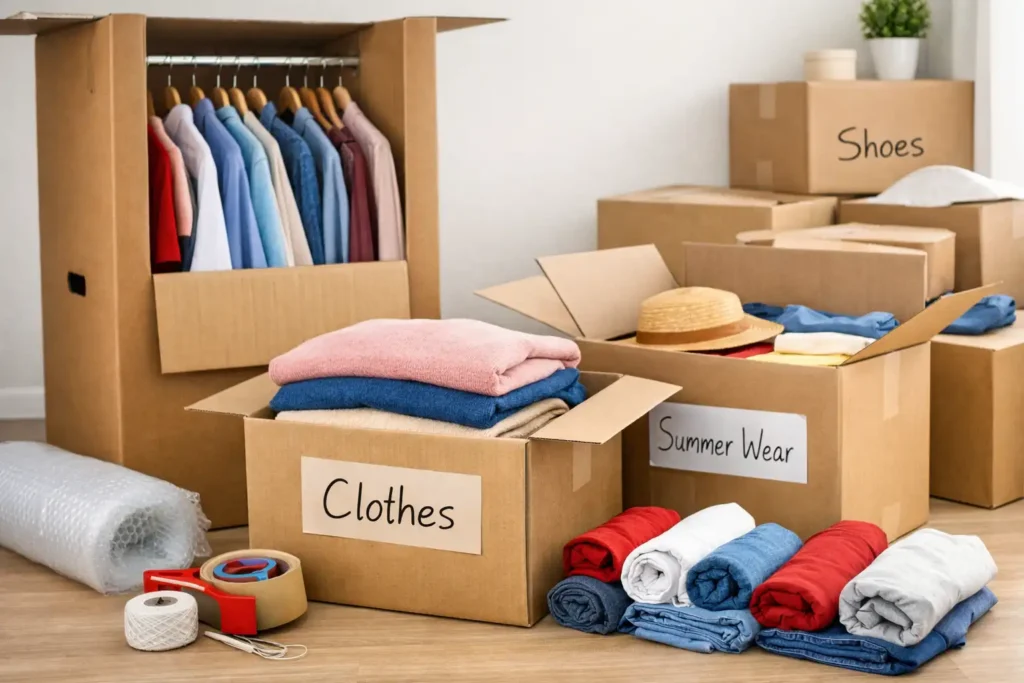
Relocating long distance requires more than just stuffing clothes into boxes—it demands proper planning, the right materials, and proven packing methods to prevent wrinkles, moisture damage, and loss during transit. Whether you’re handling packing yourself or planning to work with Professional Packers and Movers, understanding the correct way to pack clothes helps reduce moving stress, protects delicate fabrics, and makes unpacking faster at your new home. This tutorial walks you through each step of packing clothes efficiently for long-distance relocation, from sorting to final organization, using practical, industry-accepted methods.
Sort and Declutter Clothes Before Packing
Sorting and decluttering clothes before packing is a critical first step for any long-distance move. Packing only what you truly need helps reduce box weight, prevents overcrowding, and lowers the risk of damage during transit. It also makes unpacking easier and more organized at your destination.
How to Sort Clothes Effectively
Before placing anything into boxes, clothes should be grouped logically to avoid confusion later.
- Separate clothes by season (summer, winter, all-season)
- Group items by type such as daily wear, workwear, occasion wear, and innerwear
- Keep frequently used clothes aside for an essentials bag
- Identify clothes that are rarely worn or no longer needed
Declutter to Reduce Moving Load
Long-distance moves increase handling and transit time, making it important to minimize unnecessary items.
- Donate or discard clothes you haven’t worn in a long time
- Avoid packing damaged, ill-fitting, or outdated clothing
- Reducing volume helps prevent overpacking and heavy boxes
Decluttering before packing not only saves effort but can also reduce overall moving costs by lowering the number of boxes required.
Wash Clothes Before Packing
All clothes should be clean and completely dry before packing to avoid odor buildup, mildew, or stains setting during transit.
- Do laundry at least a day before packing
- Ensure clothes are fully dry before folding or hanging
- Avoid packing damp clothes, especially for long-distance moves
Choose the Right Packing Materials for Clothes
Using the correct packing materials plays a major role in protecting clothes during a long-distance move. The right materials help prevent wrinkles, moisture exposure, odor transfer, and fabric damage while making loading, unloading, and unpacking more efficient.
Common Packing Materials Used for Clothes
Different types of clothing require different packing solutions based on fabric, usage, and space availability.
- Wardrobe boxes for hanging clothes and keeping them wrinkle-free
- Standard cardboard boxes for folded everyday clothing
- Suitcases and duffel bags for heavy or frequently used clothes
- Vacuum-seal bags for bulky items like jackets and sweaters
- Garment bags for delicate or formal wear
When to Use Vacuum-Seal Bags
Vacuum bags are useful for saving space during long-distance transit, especially for bulky clothing.
- Suitable for sweaters, jackets, blankets, and winter wear
- Helps reduce overall volume in boxes
- Offers protection from dust and moisture
Vacuum bags should not be used for delicate fabrics that need airflow or structure.
Using Suitcases and Travel Bags
Suitcases are often underutilized during a move and can be effective for packing clothes.
- Ideal for heavier items like jeans and coats
- Wheeled suitcases make handling easier
- Keeps clothes compact and easy to transport
Eco-Friendly Packing Options
Reusable or fabric-based packing options can be used to reduce waste.
- Cloth bags or reusable storage bags for folded clothes
- Minimizes the need for excessive cardboard or plastic
- Useful for short-term storage and unpacking
How to Pack Everyday Clothes Efficiently
Everyday clothes make up the largest portion of packed clothing during a move. Packing them efficiently helps save space, reduces wrinkles, and ensures boxes remain manageable for long-distance transportation.
Folding vs Rolling Clothes
Choosing the right method depends on the type of clothing and available space.
- Rolling clothes helps save space and minimizes wrinkles for casual wear
- Suitable for T-shirts, jeans, leggings, and lightweight tops
- Folding clothes works better for structured garments that need shape
Rolling is commonly used to maximize space in boxes and suitcases during long-distance moves.
Layering Clothes Inside Boxes
Proper layering protects clothes and keeps boxes stable.
- Place heavier clothing items at the bottom
- Add lighter garments on top
- Fill gaps with soft clothing to prevent shifting during transit
This method helps maintain balance and reduces damage caused by movement inside boxes.
Avoid Overpacking Boxes
Overfilled boxes are harder to lift and more likely to tear or collapse.
- Keep box weight manageable
- Avoid pressing clothes down forcefully
- Use multiple boxes instead of one overloaded carton
Proper weight distribution ensures safer handling throughout the move.
How to Pack Formal Wear, Ethnic Wear, and Delicate Fabrics
Formal clothing, ethnic wear, and delicate fabrics require extra care during long-distance relocation. Improper packing can lead to wrinkles, fabric damage, or snagging, especially during extended transit times. Using the right packing methods helps preserve fabric quality and garment structure.
Use Garment Bags for Delicate and Formal Clothes
Garment bags are commonly used to protect clothes that should not be folded.
- Suitable for suits, dresses, sarees, and embellished garments
- Helps prevent wrinkles and fabric creasing
- Allows clothes to remain hanging during transport
Protect Fabrics with Tissue or Soft Padding
Delicate fabrics need cushioning to avoid friction and damage.
- Place tissue paper between folds to reduce pressure
- Use soft padding to protect embroidery, buttons, and embellishments
- Prevents snagging and fabric stress during movement
Avoid Tight Packing for Sensitive Materials
Over-compressing delicate garments can damage fibers.
- Do not use vacuum bags for delicate or structured clothes
- Leave space around fragile garments
- Avoid stacking heavy clothes on top of delicate items
This approach helps maintain the original shape and finish of fine clothing.
How to Pack Clothes Using Wardrobe Boxes
Wardrobe boxes are designed specifically for moving clothes that need to stay wrinkle-free during long-distance transportation. These boxes allow garments to be transferred directly from your closet, reducing handling and packing time while keeping clothes organized.
What Are Wardrobe Boxes and How They Work
Wardrobe boxes come with an internal hanging bar that supports clothes on hangers.
- Clothes are moved directly from the wardrobe into the box
- No folding required for hanging garments
- Ideal for long-distance moves where transit time is longer
Best Clothes to Pack in Wardrobe Boxes
Not all clothes need wardrobe boxes—these are best used selectively.
- Formal wear such as suits and blazers
- Dresses, sarees, and long garments
- Clothes that wrinkle easily
Using wardrobe boxes selectively helps balance cost and convenience.
Benefits of Using Wardrobe Boxes
Wardrobe boxes offer practical advantages during packing and unpacking.
- Keeps clothes wrinkle-free
- Saves unpacking time at the destination
- Maintains garment shape during long transit
These benefits make wardrobe boxes a preferred option for professional long-distance moves.
How to Pack Shoes, Accessories, and Clothing Add-Ons
Shoes and clothing accessories require separate packing to prevent damage to clothes and to maintain their shape during a long-distance move. Proper organization also helps avoid odor transfer and makes unpacking easier.
Packing Shoes Safely
Shoes should always be packed independently from clothing.
- Pack shoes in separate boxes or travel bags
- Place shoes sole-to-sole to save space
- Keep shoes away from clean clothes to prevent dirt or odor transfer
Packing Accessories Efficiently
Small clothing accessories can be used strategically during packing.
- Belts, scarves, and soft accessories can fill empty spaces in boxes
- Helps prevent movement inside boxes
- Keeps accessories organized and easy to locate
Handling Handbags and Delicate Add-ons
Accessories that hold shape need extra care.
- Avoid crushing handbags under heavy items
- Use padding or soft clothing to support structure
- Pack separately from footwear
Labeling and Organizing Clothes Boxes for Easy Unpacking
Proper labeling and organization make unpacking significantly easier after a long-distance move. Clearly marked boxes help you locate specific clothing items quickly and reduce the time spent opening multiple cartons.
How to Label Clothes Boxes Correctly
Each box should provide enough information to identify its contents without opening it.
- Label boxes by room and clothing type
- Mention categories such as daily wear, winter clothes, or formal wear
- Mark priority boxes for immediate access
Use a Priority or Essentials System
Some clothes are needed immediately after arrival.
- Set aside boxes with essential clothing
- Keep essentials boxes easily accessible during unloading
- Avoid mixing essentials with long-term storage clothes
This system ensures you don’t struggle to find clothes on the first day at your new home.
Organizing for Faster Unpacking
Well-organized boxes speed up the unpacking process.
- Group similar clothing items together
- Keep wardrobe box contents separate from folded clothes
- Place labeled boxes directly into the appropriate rooms
Common Mistakes to Avoid When Packing Clothes for Long Distance
Avoiding common packing mistakes is essential for protecting clothes during a long-distance move. Many issues such as wrinkling, damage, or difficulty during unpacking result from improper packing practices.
Overpacking Boxes
Packing too many clothes into a single box can create multiple problems.
- Boxes become too heavy to lift safely
- Increased risk of box tearing or collapsing
- Clothes inside may become excessively wrinkled
Using multiple boxes instead of one overloaded box improves safety and protection.
Using Inappropriate Bags or Materials
Not all bags are suitable for long-distance packing.
- Thin trash bags do not protect clothes from moisture or dirt
- Poor-quality materials increase damage risk
- Clothes may shift or get exposed during transit
Packing Damp or Unwashed Clothes
Moisture and stains can worsen during transit.
- Damp clothes can develop odors or mildew
- Unwashed clothes may set stains over time
- Always pack clean, dry garments
Mixing Shoes with Clothes
Improper separation leads to hygiene and odor issues.
- Shoes can soil clean clothes
- Odors may transfer during long transit
- Shoes should always be packed separately
Even with careful packing, long-distance transit carries risk, which is why understanding what transit insurance covers during house shifting is important.
Should You Pack Clothes Yourself or Hire Professional Packers?
Choosing between packing clothes yourself or hiring professional packers depends on factors such as time availability, budget, and the complexity of your long-distance move. Both options have clear advantages and limitations, especially when handling large wardrobes or delicate clothing.
If you’re relocating in Karnataka, hiring experienced packers and movers in Bangalore ensures your clothes are packed using wardrobe boxes and long-distance safe methods.
Benefits of Hiring Professional Packers
Professional packing services are designed to reduce effort and improve protection during transit.
- Faster and more efficient packing compared to DIY methods
- Use of appropriate packing materials and proven techniques
- Reduced physical effort and stress during relocation
- Added protection or accountability for items during the move
Packing services can affect overall relocation pricing, so it’s useful to review the packers and movers cost breakdown before finalizing your move.
These advantages can be particularly useful for long-distance relocations involving large volumes of clothing or delicate garments.
Drawbacks of Professional Packing Services
Despite the convenience, professional packing may not suit everyone.
- Higher overall moving cost due to added labor charges
- Limited personal control over how items are packed
- Requires advance scheduling and availability coordination
When DIY Packing May Be Suitable
Packing clothes yourself may work better in certain situations.
- More cost-effective compared to hiring professionals
- Full control over organization and packing style
- Suitable for smaller households or limited wardrobes
However, DIY packing requires significant time, effort, and careful planning.
Final Checklist for Packing Clothes Before a Long-Distance Move
A final checklist ensures nothing important is missed before your clothes are loaded for a long-distance move. Reviewing these steps helps confirm that clothes are protected, organized, and easy to access after delivery.
Pre-Packing Checklist
Complete these tasks before sealing boxes.
- Wash and fully dry all clothes
- Sort clothes by season, usage, and fabric type
- Set aside essentials for immediate use
- Arrange packing materials such as boxes, wardrobe cartons, and bags
Packing Checklist
Follow these steps during the packing process.
- Roll or fold everyday clothes based on fabric type
- Use wardrobe boxes for hanging garments
- Pack shoes separately from clothes
- Avoid overpacking boxes
Labeling and Organization Checklist
Proper labeling ensures smooth unpacking.
- Label each box with room and clothing category
- Mark priority or essentials boxes clearly
- Keep wardrobe boxes separate from folded clothing boxes
Expert Conclusion: Pack Smart to Protect Your Clothes on Long-Distance Moves
Packing clothes for a long-distance relocation isn’t just about saving space—it’s about protecting fabric quality, preventing damage, and reducing post-move stress. As covered in this tutorial, structured sorting, choosing the right packing materials, using wardrobe boxes where required, and avoiding common mistakes all play a crucial role in ensuring clothes arrive in good condition. Long transit times, multiple handling points, and climate changes increase risk, which is why following proven packing methods is essential. A well-planned approach not only safeguards your wardrobe but also makes unpacking faster and more organized, helping you settle into your new home smoothly.
Get Expert Help for Stress-Free Clothing Packing
If you’re planning a long-distance move and want your clothes packed with professional care, 6 Packers and Movers can help. Before booking, it’s recommended to review a detailed guide on how to choose reliable packers and movers to avoid common relocation issues. From wardrobe box packing for delicate garments to systematic labeling for easy unpacking, their trained teams handle clothing with methods designed for long transit safety and convenience.