
Kids Room Shifting Guide: Safe, Stress-Free Packing and Moving Tips for Parents
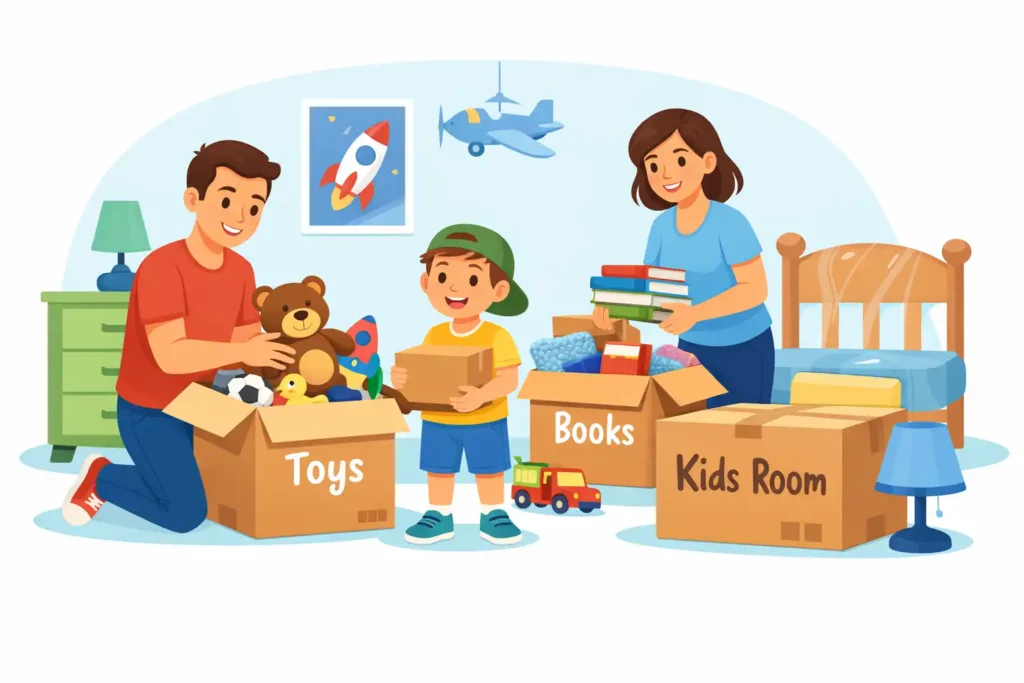
Moving a child’s room requires more than standard packing—it involves emotional sensitivity, safety planning, and careful organization. A well-planned kids room shifting process helps reduce anxiety, prevents damage to toys and furniture, and ensures children settle comfortably into their new home. Parents who plan early and follow structured packing methods experience significantly less stress during relocation. If you are hiring professional support, choosing reliable Packers and Movers can make the transition smoother by reducing physical risk and saving time.
Understanding the Challenges of Shifting a Child’s Room
Shifting a child’s room is uniquely challenging because children associate their personal space with security, routine, and emotional comfort. Unlike general household items, kids’ belongings often include comfort toys, books, school supplies, and furniture designed specifically for their daily habits. Disrupting this environment without proper preparation can lead to anxiety, resistance, and behavioral changes.
Emotional Attachment to Toys and Personal Belongings
Children often form strong emotional bonds with toys, books, and familiar objects. Packing these items abruptly can create fear or confusion, especially when they do not fully understand the reason for the move. Allowing children to see and participate in the packing process helps reduce emotional distress.
Impact of Moving on a Child’s Routine and Comfort
Routine disruptions—such as changes in sleep schedules, study time, and play habits—can affect a child’s sense of stability. Maintaining familiar daily patterns during packing and moving helps children adapt more easily to the transition.
Safety Risks During Packing and Moving
Moving day introduces safety risks due to heavy furniture, open cartons, sharp tools, and constant movement. Children are more vulnerable to accidents if they are allowed near packing or loading zones, making supervision and planning essential.
Managing Resistance and Behavioral Changes
It is common for children to show resistance, mood swings, or anxiety before and during a move. Clear communication and reassurance help reduce uncertainty and emotional stress.
Why Kids Room Packing Needs Special Planning
Kids room items include fragile toys, electronics, furniture with sharp edges, and hygiene-sensitive items like soft toys and mattresses. These require separate packing strategies and labeling to avoid damage and ensure quick setup after relocation.
Preparing Your Child Mentally for the Move
Preparing children emotionally before packing begins is one of the most effective ways to reduce stress during relocation. Children who understand what is happening—and why—are more likely to cooperate, adapt faster, and feel secure throughout the moving process. Mental preparation should start early and continue consistently until the child settles into the new home.
How to Talk to Kids About Moving (Age-Wise Approach)
Children process change differently depending on their age. Younger children need simple explanations and reassurance, while older children benefit from clear reasons and involvement in decision-making. Explaining the move calmly and positively helps children feel included rather than displaced.
Key practices include:
- Explaining the move in simple, honest language
- Reassuring children that their belongings and family will stay together
- Allowing time for questions and emotional reactions
Addressing Fear of a New Home, School, and Environment
Fear of the unknown is a major source of anxiety for children during relocation. Concerns may include making new friends, adjusting to a new school, or leaving familiar surroundings. Addressing these fears early helps children build confidence about the transition.
Helpful steps include:
- Talking openly about what will stay the same and what will change
- Sharing positive details about the new home or neighborhood
- Answering questions honestly without dismissing emotions
Involving Kids in Packing and Planning Decisions
Children feel more secure when they have a sense of control. Allowing them to make small decisions—such as choosing which toys to pack first or how to label their boxes—helps reduce resistance and increases cooperation.
Effective involvement methods:
- Letting children pack a small box of their favorite items
- Allowing them to choose décor elements for the new room
- Encouraging participation without forcing responsibility
Making the Move Feel Positive and Exciting
Framing the move as a new adventure rather than a loss helps shift a child’s mindset. Highlighting positive changes—such as a bigger room, nearby parks, or new activities—can replace fear with curiosity and excitement.
Practical approaches include:
- Discussing fun aspects of the new location
- Planning a small reward or activity after moving
- Treating the move as a milestone rather than disruption
Maintaining Emotional Stability During the Transition
Consistency provides emotional security. Maintaining familiar routines—such as mealtimes, bedtime schedules, and study hours—helps children feel grounded even while their physical environment changes.
Stability strategies:
- Keep daily routines as unchanged as possible
- Avoid packing essential comfort items too early
- Spend dedicated time with children during busy moving days
Families relocating within Bangalore often prefer hiring experienced packers and movers in Vijayawada to ensure child-safe packing and careful handling.
Decluttering and Sorting Kids’ Belongings Before Packing
Decluttering a child’s room before packing reduces moving volume, lowers packing time, and makes post-move setup faster. Sorting belongings in advance also helps children mentally prepare for change by giving them clarity on what they are taking to the new home. When done correctly, decluttering becomes both a practical and emotional preparation step.
Identifying Unused Toys, Clothes, and Books
Children’s rooms often contain items they have outgrown or no longer use. Sorting these items early prevents unnecessary packing and helps parents focus only on essentials and favorites.
Common items to review include:
- Toys not used in the past few months
- Clothes that no longer fit
- Books that are damaged or no longer age-appropriate
Creating “Keep, Donate, and Discard” Categories
Organizing belongings into clear categories simplifies decision-making and packing. This structured approach also reduces confusion for children by giving a clear purpose to each item.
Recommended categories:
- Keep: Everyday essentials and favorite items
- Donate: Gently used toys, books, and clothes
- Discard: Broken, unsafe, or worn-out items
Teaching Kids Decluttering Through Participation
Involving children in decluttering helps them feel respected and included. When children participate, they are more likely to accept the outcome and cooperate during packing.
Effective participation methods:
- Asking children to choose toys they want to take
- Allowing them to donate items to others
- Encouraging discussion instead of forcing decisions
Safe Disposal of Broken or Outgrown Items
Damaged toys, broken furniture parts, and worn-out items should not be packed. These items pose safety risks and take up unnecessary space during transit.
Best practices include:
- Disposing of broken toys responsibly
- Recycling paper-based items where possible
- Avoiding packing items that may break further during transit
Organizing Items for Easy Packing
Once decluttering is complete, organizing items by category simplifies packing and labeling. Grouping similar items together reduces the chance of loss and speeds up unpacking at the new home.
Helpful organization tips:
- Group toys, books, clothes, and study items separately
- Keep frequently used items aside for last packing
- Prepare a separate pile for essentials
Safe Packing Techniques for Toys, Books, and Play Items
Packing children’s toys and play items requires careful handling to prevent damage, maintain hygiene, and ensure items remain easy to locate after moving. Toys often include small parts, delicate materials, and mixed textures, making structured packing essential for a smooth relocation.
Packing Soft Toys and Plush Items Hygienically
Soft toys and plush items attract dust and moisture if not packed properly. These items should be clean and dry before packing to avoid hygiene issues during storage or transit.
Best practices include:
- Washing and drying soft toys completely before packing
- Packing them in moisture-resistant plastic bags or sealed containers
- Avoiding direct contact with furniture or floor surfaces
Securing Small Toys, Puzzle Pieces, and Accessories
Small toys and puzzle pieces are easy to misplace during a move. Keeping all parts together prevents loss and reduces frustration during unpacking.
Recommended methods:
- Placing small parts in zip-lock bags
- Taping bags securely to the main toy or placing them inside labeled boxes
- Avoiding loose packing inside large cartons
Packing Board Games and Educational Toys
Board games and educational toys often include boards, cards, and instruction manuals. Improper packing can lead to bent boards or missing components.
Effective packing steps:
- Wrapping boards in protective paper or bubble wrap
- Securing cards and small pieces inside labeled pouches
- Placing board games flat inside sturdy cartons
Proper Way to Pack Books Without Damage
Books are heavy and prone to bending if packed incorrectly. Overloaded cartons increase the risk of box breakage and spine damage.
Safe book packing tips:
- Using small, strong boxes to avoid excessive weight
- Placing heavier books at the bottom and lighter ones on top
- Packing books flat or spine-down to protect bindings
Labeling Kids Room Boxes Clearly
Clear labeling reduces unpacking time and ensures essential items are opened first. Proper labels also help movers handle boxes with care.
Labeling best practices:
- Mark boxes as “Kids Room” and include item details
- Highlight “Open First” boxes for essentials
- Use bold, legible text on multiple sides of the carton
Packing Kids’ Furniture and Large Room Items
Kids’ room furniture includes beds, study tables, storage units, and mattresses that require careful handling to avoid damage and ensure child safety after relocation. Proper disassembly, protection, and labeling reduce the risk of breakage and make reassembly easier at the new home.
Disassembling Beds, Tables, and Storage Units
Large furniture pieces should be disassembled before moving to prevent structural damage and reduce handling risks. Proper disassembly also makes loading and transport safer.
Recommended practices:
- Use appropriate tools to dismantle furniture carefully
- Remove detachable parts such as headboards, shelves, and drawers
- Avoid forcing joints or fittings during disassembly
Protecting Sharp Edges and Corners
Children’s furniture often has edges that can be damaged during transit or pose safety risks when unpacked. Proper padding minimizes impact damage and reduces injury risks.
Protection methods include:
- Wrapping edges with bubble wrap or protective padding
- Using cardboard corner protectors where possible
- Securing padding with stretch wrap or tape without touching finished surfaces
Wrapping Mattresses and Upholstered Furniture Hygienically
Mattresses and upholstered items are sensitive to dust, moisture, and stains. Improper packing can make them unusable upon arrival.
Safe wrapping practices:
- Use mattress covers or plastic wrap to prevent contamination
- Keep mattresses upright during transport to maintain shape
- Avoid placing heavy items on top during loading
Managing Screws, Bolts, and Assembly Hardware
Losing small hardware components can delay room setup and create safety issues during reassembly. Organized storage prevents confusion and missing parts.
Effective management tips:
- Store screws and bolts in labeled zip-lock bags
- Tape hardware bags securely to corresponding furniture parts
- Keep hardware for kids’ furniture separate from other household items
Preventing Damage During Transit
Furniture movement during transit can cause scratches, dents, or structural stress if not secured properly. Stabilizing furniture minimizes shifting and impact damage.
Damage-prevention steps:
- Use protective blankets or padding between furniture pieces
- Secure items tightly inside the moving vehicle
- Avoid stacking heavy items on delicate kids’ furniture
Handling Fragile, Electronic, and Special Items
Kids’ rooms often contain fragile décor, electronic learning devices, and customized items that require special care during packing and transit. These items are more vulnerable to impact, moisture, and improper handling, making it essential to follow structured packing practices.
Packing Electronic Toys and Learning Devices
Electronic toys, tablets, and learning gadgets are sensitive to shock and moisture. Improper packing can result in internal damage or malfunction after moving.
Safe packing practices include:
- Switching off devices and removing batteries before packing
- Wrapping electronics individually with bubble wrap
- Placing devices in sturdy boxes with adequate cushioning
Protecting Decorative Items and Night Lamps
Decorative items such as night lamps, wall frames, and small showpieces are fragile and can easily crack or shatter if packed loosely.
Recommended methods:
- Wrapping each item separately with protective material
- Filling empty spaces in boxes to prevent movement
- Marking cartons as “Fragile” and “Handle with Care”
Packing Art Supplies, Craft Kits, and Stationery
Art materials often include liquids, sharp tools, and mixed components that need careful segregation. Improper packing may cause spills or damage.
Best practices include:
- Separating liquid-based supplies from paper items
- Packing sharp tools in protective covers
- Using compartmentalized boxes for stationery and craft kits
Battery Removal and Cable Management
Leaving batteries inside devices during transit can cause leakage or damage. Tangled cables may also lead to equipment malfunction.
Effective handling tips:
- Removing batteries and storing them separately
- Labeling cables and chargers clearly
- Keeping cables in sealed bags to avoid tangling
Special Care for Customized or Handmade Items
Personalized artwork, handmade crafts, and school projects often hold emotional value for children. These items should be packed with extra care to avoid damage or loss.
Protection steps include:
- Wrapping items with soft padding
- Packing them in separate, clearly labeled boxes
- Avoiding stacking heavy items on top
Understanding what transit insurance covers during house shifting helps parents protect kids’ furniture, toys, and electronic learning devices from damage.
Preparing a Kids Essentials Box for Moving Day
A kids essentials box ensures that children have immediate access to necessary and comfort items on moving day and during the first night at the new home. This reduces stress, prevents last-minute searching, and helps maintain routine during the transition.
Clothes and Nightwear for Immediate Use
Children may need multiple clothing changes on moving day due to travel, weather, or activity. Keeping clothes accessible avoids unpacking delays.
Include:
- A full day’s set of clothes
- Nightwear and sleepwear
- Weather-appropriate outerwear
Favorite Toys and Comfort Items
Familiar items provide emotional comfort and help children feel secure in unfamiliar surroundings. Packing these separately ensures they are not misplaced.
Recommended items:
- Favorite toy or plush item
- Comfort blanket or pillow
- Storybooks for bedtime routine
School Supplies and Study Essentials
If the move overlaps with school days, children may need access to school materials immediately after arrival.
Essentials to include:
- Notebooks and stationery
- School books or homework materials
- Basic writing tools
Snacks, Water, and Hygiene Products
Moving day schedules are often unpredictable. Having food and hygiene items ready prevents discomfort and unnecessary outings.
Include:
- Healthy snacks and water bottles
- Wet wipes, tissues, and hand sanitizer
- Toothbrush and basic toiletries
Medicines and Emergency Items
Access to medicines is critical, especially for children with specific health needs. These items should never be packed with general cartons.
Pack separately:
- Prescribed medicines
- First-aid essentials
- Thermometer and basic medical supplies
Ensuring Child Safety During Loading, Transit, and Unpacking
Child safety is a critical priority on moving day. The presence of heavy furniture, open cartons, sharp tools, and continuous movement increases the risk of accidents. Implementing safety measures during loading, transit, and unpacking helps protect children from injuries and reduces overall stress for parents.
Keeping Kids Away from Packing and Loading Areas
Packing and loading zones are hazardous due to lifting equipment, stacked boxes, and moving vehicles. Children should be kept away from these areas to avoid accidents.
Safety measures include:
- Assigning a separate room or supervised area for children
- Keeping doors to loading zones closed
- Ensuring constant adult supervision
Child-Safe Practices on Moving Day
Moving day can be overwhelming for children due to noise, unfamiliar people, and activity. Maintaining structure and supervision helps prevent panic and injury.
Best practices:
- Keeping children engaged in calm activities
- Avoiding exposure to moving equipment and tools
- Clearly communicating rules about restricted areas
Monitoring Boxes During Unloading
Unloading involves stacked cartons and heavy items that can tip over if disturbed. Children should not be allowed to play near unloading areas.
Precautions include:
- Allowing movers to unload fully before children enter rooms
- Keeping fragile and heavy boxes out of reach
- Supervising movement around staircases and entrances
Inspecting Items for Damage Before Use
Before children begin using unpacked items, parents should check for damage or safety issues caused during transit.
Inspection steps:
- Checking furniture stability and fastenings
- Inspecting toys for cracks or broken parts
- Ensuring electronic items function safely
Prioritizing Kids Room Setup First
Setting up the kids’ room early helps children feel settled and reduces wandering in unsafe areas. A familiar environment promotes calmness and routine.
Setup priorities:
- Assembling beds and essential furniture first
- Unpacking toys and comfort items early
- Restoring sleep and play routines quickly
Setting Up the New Kids’ Room Quickly and Comfortably
Setting up a child’s room soon after arrival helps reduce anxiety and supports a faster emotional adjustment. Familiar surroundings, organized storage, and restored routines make children feel secure in a new environment and prevent unnecessary stress during the initial days after moving.
Recreating Familiar Layouts in the New Room
Children adapt better when their new room resembles their previous space. Recreating familiar layouts helps maintain a sense of continuity and comfort.
Helpful practices include:
- Positioning the bed and study table similarly to the old room
- Arranging storage units in familiar locations
- Keeping frequently used items within easy reach
Arranging Toys and Books for Easy Access
Organized access to toys and books encourages children to settle in quickly and resume normal activities. Easy visibility also reduces clutter and searching.
Organization tips:
- Place favorite toys and books in accessible shelves
- Use labeled storage bins for different categories
- Avoid overcrowding shelves initially
Involving Kids in Decorating the New Space
Allowing children to participate in setting up their room increases their sense of ownership and excitement about the new home.
Ways to involve kids:
- Letting them choose décor placement
- Allowing simple decorating decisions
- Encouraging personal touches like artwork or posters
Helping Children Adjust to the New Environment
Adjustment takes time, and children may feel unsettled initially. Gentle reassurance and familiar activities help ease the transition.
Supportive actions include:
- Spending extra time with children during initial days
- Encouraging play and exploration of the new space
- Maintaining calm communication and reassurance
Restoring Daily Routines Quickly
Routine provides stability during change. Re-establishing daily habits helps children feel secure and regain normalcy.
Key routines to restore:
- Fixed bedtime and wake-up schedules
- Regular meal times
- Dedicated study and play hours
Role of Professional Packers and Movers in Kids Room Shifting
Hiring professional packers and movers can significantly reduce the physical, emotional, and logistical burden of shifting a child’s room. Experienced movers follow systematic packing methods, use appropriate materials, and handle heavy or fragile items safely, allowing parents to focus on their children during the relocation process.
Before finalizing any service provider, parents should review this guide on how to choose the best packers and movers to avoid last-minute issues.
Use of Child-Safe and Non-Toxic Packing Materials
Professional movers use quality packing materials designed to protect items from dust, moisture, and impact. For kids’ room items, the use of clean, sturdy, and non-toxic materials is especially important to maintain hygiene and safety.
Key practices include:
- Using clean cartons, bubble wrap, and protective covers
- Wrapping soft toys, mattresses, and furniture hygienically
- Avoiding reused or contaminated packing materials
Expertise in Handling Fragile Kids Items
Kids’ rooms often contain fragile toys, electronics, lamps, and decorative items. Professional movers are trained to pack and transport such items securely to minimize damage.
Professional handling typically involves:
- Individual wrapping of fragile items
- Proper cushioning inside cartons
- Clear labeling for careful handling
Faster Packing, Transport, and Unpacking Process
Professional teams follow standardized packing and loading procedures, which significantly reduces the time required to complete the move. Faster execution helps limit disruption to a child’s routine.
Efficiency benefits include:
- Organized packing by room and item type
- Systematic loading and unloading
- Quicker reassembly of furniture
Reduced Stress for Parents During Relocation
Managing a move while caring for children can be overwhelming. Professional movers handle the physical workload, allowing parents to focus on emotional support and supervision.
Stress-reduction advantages:
- Less involvement in heavy lifting and packing
- Better focus on children’s needs and safety
- Reduced fatigue during moving day
When to Hire Professional Movers for Kids Room Shifting
Professional assistance is particularly beneficial when moving long distances, handling large furniture, or relocating with younger children. Early planning helps secure reliable services and avoid last-minute pressure.
Situations where hiring movers helps most:
- Long-distance or intercity moves
- Homes with heavy kids’ furniture or electronics
- Families with infants or toddlers
Moving costs can vary based on distance, packing level, and services required, so reviewing a detailed packers and movers cost guide helps parents plan better.
Common Mistakes Parents Make While Packing Kids’ Rooms
Even with good intentions, parents often make avoidable mistakes while packing a child’s room. These mistakes can increase stress, cause item damage, delay room setup, and negatively affect a child’s emotional adjustment. Avoiding these common issues helps ensure a smoother, safer relocation experience.
Packing Kids’ Belongings Too Early
Packing a child’s favorite toys, books, or comfort items too soon can cause anxiety and restlessness. Children rely on familiar objects for emotional security, especially during periods of change.
Why this causes problems:
- Increases emotional stress and resistance
- Disrupts daily routines and sleep habits
- Leads to frequent reopening of packed boxes
Not Involving Children in the Packing Process
Excluding children from packing decisions can make them feel ignored or powerless, often resulting in resistance or emotional outbursts.
Common consequences:
- Increased fear and lack of cooperation
- Strong attachment-driven resistance during moving day
- Difficulty adjusting to the new room
Overpacking Boxes with Toys and Books
Books and toys are deceptively heavy. Overloaded boxes are more likely to break, causing damage to items and increasing safety risks during lifting.
Risks of overpacking:
- Carton breakage during loading or transit
- Damage to books and toys
- Higher risk of injury while lifting
Ignoring Safety During Packing and Loading
Allowing children near packing tools, stacked boxes, or loading areas increases the risk of accidents.
Common safety oversights:
- Children walking through loading zones
- Exposure to sharp tools or moving equipment
- Lack of supervision during busy moving hours
Failing to Label Kids Room Boxes Clearly
Poor labeling leads to delays in unpacking and makes it harder to locate essential items after moving.
Problems caused by improper labeling:
- Delayed kids room setup
- Increased frustration for children
- Unnecessary box handling and unpacking
Delaying Kids Room Setup After Arrival
Postponing the setup of a child’s room can prolong emotional discomfort and disrupt routines.
Impact of delayed setup:
- Increased anxiety in children
- Sleep and routine disturbances
- Reduced sense of security in the new home
Kids Room Packing Checklist Before Moving
A structured packing checklist helps parents stay organized, avoid last-minute stress, and ensure that no essential kids’ room items are missed. Following a checklist-based approach also improves packing efficiency and makes unpacking faster at the new home.
Before You Start Packing
Preparation before packing reduces confusion and unnecessary rework later.
Checklist:
- Talk to your child about the move and packing plan
- Set aside a few days specifically for kids’ room packing
- Arrange packing supplies such as cartons, bubble wrap, tape, and labels
- Decide which items will go into the kids essentials box
Decluttering and Sorting Checklist
Sorting items first reduces packing load and helps children adjust emotionally.
Checklist:
- Separate items into keep, donate, and discard
- Remove outgrown clothes and unused toys
- Set aside broken or unsafe items for disposal
- Involve your child in choosing items to keep
Packing Toys and Play Items Checklist
Toys need category-wise packing to avoid loss or damage.
Checklist:
- Wash and dry soft toys before packing
- Store small toy parts in zip-lock bags
- Pack board games flat and secure loose pieces
- Label cartons clearly as “Kids Toys”
Packing Books and Study Materials Checklist
Books and study items are heavy and should be packed carefully.
Checklist:
- Use small, sturdy cartons for books
- Place heavier books at the bottom
- Pack notebooks and stationery separately
- Label boxes as “Books” or “Study Items”
Packing Furniture and Large Items Checklist
Furniture packing requires planning and safe handling.
Checklist:
- Disassemble beds, tables, and shelves
- Wrap sharp edges and corners securely
- Cover mattresses and upholstered furniture
- Store screws and fittings in labeled bags
Electronics and Fragile Items Checklist
Fragile and electronic items need extra protection.
Checklist:
- Remove batteries from electronic toys
- Wrap devices individually with bubble wrap
- Pack chargers and cables separately
- Mark boxes as “Fragile”
Kids Essentials Box Checklist
This box should travel with you, not in the moving truck.
Checklist:
- Clothes and nightwear
- Favorite toy or comfort item
- Snacks, water, and hygiene products
- Medicines and first-aid supplies
- Basic stationery or school items
Moving Day Safety Checklist
Safety planning protects children during loading and unloading.
Checklist:
- Keep children away from loading zones
- Assign adult supervision at all times
- Ensure kids remain in a safe, designated area
- Allow unpacking only after unloading is complete
Moving Tips for Babies, Toddlers, and School-Going Children
Children of different age groups respond to relocation in different ways. Tailoring packing, planning, and moving strategies according to a child’s age helps reduce stress, maintain safety, and support faster emotional adjustment.
Moving Tips for Babies
Babies are highly sensitive to changes in environment, routine, and caregivers’ stress levels. Maintaining familiarity and consistency is critical during relocation.
Recommended practices:
- Keep feeding and sleeping schedules unchanged as much as possible
- Pack baby essentials separately and keep them accessible
- Avoid exposing babies to noisy or crowded moving areas
- Set up the baby’s sleeping area immediately after arrival
Moving Tips for Toddlers
Toddlers may not fully understand why the move is happening and may react with confusion or resistance. Familiarity and involvement help ease the transition.
Helpful strategies:
- Explain the move using simple and reassuring language
- Keep favorite toys and comfort items available throughout the move
- Allow toddlers to help with small, safe tasks like labeling boxes
- Supervise closely during packing and loading to avoid accidents
Moving Tips for School-Going Children
School-going children often worry about academics, friendships, and adapting to a new environment. Open communication and early preparation help reduce these concerns.
Effective approaches include:
- Discussing school-related changes well in advance
- Involving children in packing their study materials and room setup
- Keeping school supplies easily accessible after the move
- Restoring study routines as soon as possible
Helping Children Adjust After the Move
Adjustment does not end once the move is complete. Children may need time and reassurance to feel comfortable in their new surroundings.
Post-move support includes:
- Encouraging normal play and daily activities
- Spending extra time together during the initial days
- Allowing children to personalize their new space
Frequently Asked Questions (FAQs) – Kids Room Shifting
Packing can begin early for non-essential items, but comfort items and frequently used toys should be packed last. Early packing of favorite belongings can increase anxiety and disrupt routines, especially for younger children.
Reducing stress involves clear communication, maintaining routines, and involving children in small packing decisions. Allowing children to keep familiar items close and explaining the move calmly helps them adjust better.
Small toys and puzzle parts should be packed in zip-lock bags and placed inside clearly labeled boxes. This prevents loss and makes unpacking easier.
Children should be kept away from loading and unloading areas due to safety risks such as falling boxes, sharp tools, and moving equipment. A supervised, separate area is recommended on moving day.
A kids essentials box should include clothes, favorite toys, snacks, hygiene items, medicines, and basic school supplies. This box should stay with parents, not in the moving truck.
The kids’ room should be prioritized immediately after arrival. Early setup helps children feel secure, reduces wandering in unsafe areas, and restores normal routines faster.
Professional packers and movers are recommended when handling heavy furniture, fragile toys, or long-distance moves. They reduce physical strain on parents and allow better focus on child care.
Making Kids Room Shifting Safe, Smooth, and Stress-Free
Shifting a child’s room is not just a logistical task—it is an emotional transition that requires planning, patience, and safety-focused execution. From preparing children mentally and decluttering their belongings to packing toys, furniture, and essentials methodically, every step plays a role in reducing stress and helping children adapt comfortably to a new home.
Parents who:
- Maintain routines
- Involve children appropriately
- Prioritize safety during packing and moving
- Set up the kids’ room early after arrival
are more likely to experience a smoother relocation with fewer disruptions. Structured planning also minimizes damage to kids’ belongings and shortens the adjustment period after the move.
For families seeking professional assistance, working with experienced Packers and Movers can significantly ease the burden by ensuring safe handling, faster execution, and reduced physical strain—allowing parents to focus on their children’s emotional well-being during the transition.