
Moving Estimate: What Goes Into It and How Movers Calculate Your Cost
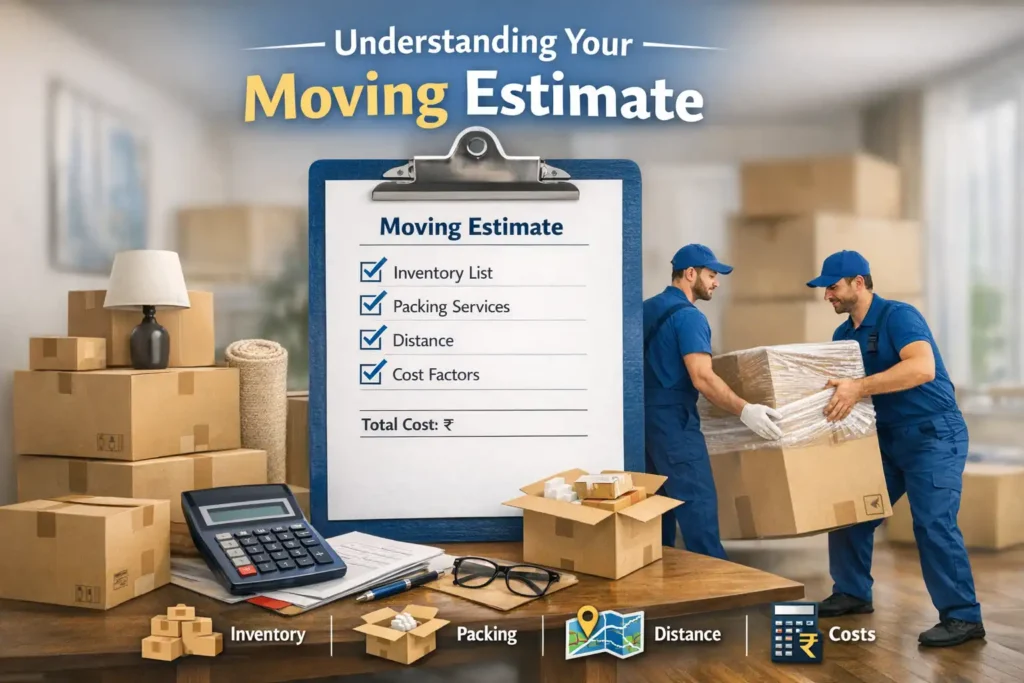
Planning a house relocation can feel overwhelming, especially when you’re unsure how movers calculate their charges. A moving estimate is the first and most important step in understanding your relocation costs before Booking Professional Packers And Movers. It outlines the expected cost of your move based on multiple factors such as the volume of goods, distance, services required, and logistical challenges involved. Knowing what goes into a moving estimate helps you avoid last-minute price hikes, compare quotes confidently, and choose a reliable moving company that matches both your budget and expectations.
A well-prepared moving estimate also sets clear expectations between you and the mover. It acts as a reference point for services included, payment terms, and possible variables that could affect the final bill. Whether you’re planning a local shift or an intercity relocation, understanding the structure of a moving estimate empowers you to make informed, stress-free decisions throughout the moving process.
What Is a Moving Estimate?
A moving estimate is a documented calculation provided by a moving company that outlines the expected cost of your relocation based on the details shared before the move. This estimate is prepared after evaluating key factors such as the size of your shipment, distance between locations, access conditions, and the services you choose, including packing or storage.
It’s important to understand that a moving estimate is not the final bill. Instead, it serves as a cost projection that helps you plan your budget and compare different packers and movers objectively. The final amount may remain the same or change depending on the type of estimate provided and whether the actual moving conditions match what was originally assessed.
For a deeper breakdown of charges, you can refer to our detailed packers and movers cost guide covering local and intercity relocations.
Professional movers rely on moving estimates to define the scope of work clearly—what items will be moved, which services are included, and under what conditions the price may change. For customers, this transparency reduces disputes, prevents misunderstandings on moving day, and creates accountability between both parties.
How Do I Get a Moving Estimate?
You can obtain a moving estimate through several commonly used methods, each varying in accuracy:
- In-home survey: A representative visits your home to assess the inventory and access conditions. This is considered one of the most accurate ways to estimate moving costs.
- Virtual or video survey: Movers evaluate your belongings through a live video walkthrough, allowing them to see the quantity and type of items remotely.
- Phone or online form: Basic estimates based on the information you provide, often used for preliminary budgeting but less precise than visual assessments.
The accuracy of a moving estimate largely depends on how detailed and transparent the information provided is. Missing items, overlooked storage areas, or unreported access challenges can result in revisions later.
Types of Moving Estimates Explained
Not all moving estimates work the same way. Professional packers and movers typically offer different types of estimates depending on how the cost is calculated and whether the final price can change. Understanding these estimate types is essential to avoid billing surprises and to choose the option that best fits your moving needs and risk tolerance.
The type of estimate you receive determines whether the price is fixed, flexible, or only indicative. Each has its own use case, benefits, and limitations, especially when the actual shipment size or services differ from what was initially assessed.
Binding Moving Estimate
A binding moving estimate provides a fixed price for the move. Once issued, the total cost remains the same, even if the actual weight or volume of your belongings differs from the original estimate—provided no additional services or items are added later.
This type of estimate offers cost certainty and is preferred by customers who want predictable expenses. However, its accuracy depends heavily on a complete and truthful inventory assessment. If items are added or services change after the estimate is issued, movers may revise the cost or issue a new estimate.
Non-Binding Moving Estimate
A non-binding moving estimate gives an approximate cost based on the estimated weight or volume of your belongings and the services requested. The final price may increase or decrease depending on the actual shipment size and services performed on moving day.
This type of estimate allows flexibility but carries some financial uncertainty. It is commonly used when movers cannot fully assess the inventory in advance or when customers anticipate possible changes before the move.
Approximate / Indicative Moving Estimate
An approximate or indicative moving estimate is an early-stage cost projection, often provided through online calculators, phone calls, or inquiry forms. It is meant for basic budgeting and planning purposes only.
These estimates are typically prepared without a detailed inventory review and should not be relied upon for final cost decisions. Movers usually follow up with a physical or virtual survey before confirming pricing.
Components of a Moving Estimate
A moving estimate is built by combining multiple cost-influencing elements that reflect the actual effort, resources, and risk involved in your relocation. Reputed packers and movers assess these components to ensure the estimate matches the real scope of work. Understanding each component helps you identify whether a quote is complete, transparent, and fairly calculated.
Contact Information
A professional moving estimate includes the mover’s official contact details along with your name and contact information. This ensures accountability, allows follow-ups, and confirms that the estimate is formally issued rather than verbally communicated.
Origin and Destination Details
The pickup and delivery addresses play a major role in determining costs. Distance between locations, city-specific regulations, entry restrictions, and route accessibility all influence fuel usage, time, and manpower planning.
Logistical Challenges (Access, Floors, Lift Availability)
Access conditions at both locations are evaluated carefully. Factors such as floor level, availability of elevators, staircases, parking distance, and narrow entryways can increase labor time and effort, which may reflect in the estimate.
Special Handling Requirements
Items that are bulky, heavy, fragile, or high-value require additional protection and handling. This may include appliances, glass items, artwork, or furniture that needs special packing techniques, which can increase packing material and labor costs.
Storage Needs (If Any)
If temporary or long-term storage is required, this is listed separately in the moving estimate. Storage costs depend on duration, space required, and whether climate-controlled facilities are needed.
Moving Inventory (Volume, Weight, Item List)
The inventory is the foundation of the moving estimate. Movers calculate costs based on the total volume or weight of goods being transported. A detailed, room-by-room item list ensures accurate pricing and reduces the risk of cost changes later.
Additional Services Included
Services such as packing, unpacking, dismantling and reassembly of furniture, or vehicle transportation are itemized in the estimate. Each additional service contributes separately to the overall moving cost.
Valuation and Insurance Options
Moving estimates often include valuation coverage options that determine the mover’s liability in case of loss or damage. Different coverage levels affect the final cost and should be clearly stated in the estimate.
Understanding what transit insurance covers during house shifting is essential when reviewing any moving estimate.
Payment Terms and Conditions
This section outlines advance payment requirements, balance payment timelines, accepted payment modes, and cancellation or rescheduling terms. Clear payment terms help avoid disputes on or after moving day.
How to Prepare for a Moving Estimate
Proper preparation before a moving estimate is conducted plays a crucial role in ensuring pricing accuracy. When movers assess a well-organized and transparent inventory, the estimate is more likely to reflect the actual cost of the move. Preparation also minimizes last-minute changes that can lead to revised charges on moving day.
Declutter and Organize Your Home
Reducing unnecessary items before the estimate helps movers calculate volume or weight more accurately. Items you plan to discard, donate, or sell should be separated and clearly identified, as they should not be included in the moving inventory. Fewer items generally result in lower moving costs and a more precise estimate.
Create a Detailed Moving Inventory
A complete inventory should include items from every part of your home, including storage areas, balconies, attics, and garages. Movers rely on this inventory to assess manpower, packing materials, vehicle size, and overall logistics. Missing items at this stage often lead to cost adjustments later.
List Special Items or Special Requirements
Items that require extra care—such as fragile goods, bulky furniture, appliances, or high-value belongings—should be disclosed during the estimate. Additionally, inform movers about access challenges like narrow staircases or long carrying distances. Transparent disclosure ensures these requirements are factored into the estimate from the start.
Getting and Comparing Multiple Moving Estimates
Getting multiple moving estimates allows you to understand the realistic cost range for your relocation and identify which packers and movers offer transparent and complete pricing. Comparing estimates is not just about choosing the lowest quote—it’s about evaluating what services are included, how clearly costs are explained, and how reliable the mover appears.
Along with comparing prices, it’s equally important to know how to choose the best packers and movers to avoid unreliable service providers.
How Many Moving Estimates Should You Get?
It is generally advised to collect at least three moving estimates before finalizing a mover. Multiple estimates help you spot unusually high or low quotes and provide a clearer picture of the market rate for your specific move. This approach also reduces the risk of overpaying or falling for misleading pricing.
What to Compare in Moving Estimates
When comparing moving estimates, focus on more than just the total price. Key elements to review include:
- Whether the inventory listed matches across all estimates
- The services included, such as packing, unpacking, or furniture dismantling
- Valuation or insurance coverage options
- Payment terms, advance requirements, and cancellation policies
An estimate that clearly itemizes these details is usually more reliable than one that lists only a lump-sum amount.
Red Flags to Watch Out For in Moving Estimates
Certain warning signs can indicate potential issues. These include estimates that are significantly lower than others, missing or vague inventory details, refusal to provide written estimates, or pressure to pay a large cash advance upfront. Such red flags may lead to unexpected charges or service quality problems later.
Many price-related issues are linked to common packers and movers scams, especially when estimates are vague or unusually low.
Why Moving Estimates Change on Moving Day
Even after receiving a detailed moving estimate, the final cost can sometimes change on the actual moving day. This usually happens when the real conditions of the move differ from what was originally assessed during the estimate. Understanding these reasons helps set realistic expectations and prevents unnecessary disputes with packers and movers.
Inventory Mismatch or Undeclared Items
If additional items are included on moving day that were not part of the original inventory—such as goods stored in balconies, lofts, or garages—the total volume or weight increases. Since moving estimates are based on inventory size, any mismatch can lead to a revised cost.
Access and Logistical Challenges
Unexpected access issues at pickup or delivery locations can affect pricing. Examples include non-functioning elevators, longer carrying distances due to parking restrictions, or last-minute changes in entry permissions. These situations may require extra labor or time, impacting the final charges.
Additional Services Requested During the Move
Requests for extra services—such as additional packing, dismantling furniture, or handling fragile items that were not previously disclosed—can result in higher costs. Movers usually revise estimates when the scope of work expands beyond what was initially agreed upon.
Changes in Shipment Weight or Volume
For non-binding estimates, the final cost is calculated based on the actual weight or volume of goods transported. If the shipment turns out to be larger than estimated, the price may increase accordingly.
How to Get an Accurate Moving Estimate
Getting an accurate moving estimate depends largely on how thoroughly the move is assessed before booking. When both the customer and the mover have a clear understanding of the inventory, access conditions, and required services, the chances of cost changes later are significantly reduced.
Opt for a Physical or Virtual Survey
Physical home surveys and video walkthroughs allow movers to visually assess the quantity, size, and type of items being moved. These methods help identify access issues, special packing needs, and large or fragile items that may not be accurately described over a phone call or online form.
Be Transparent About Everything You’re Moving
All items intended for relocation—including those in storage areas, balconies, garages, or lofts—should be disclosed during the estimate. Undeclared items are one of the most common reasons estimates change on moving day, especially in non-binding estimates.
Request a Written, Itemized Estimate
A written estimate that clearly lists inventory, services, valuation coverage, and payment terms provides clarity and accountability. Itemized estimates make it easier to understand what you’re paying for and help prevent misunderstandings later.
Confirm the Estimate Type in Advance
Before finalizing a mover, confirm whether the estimate provided is binding, non-binding, or approximate. Knowing the estimate type helps you understand whether the price is fixed or subject to change based on actual moving conditions.
Verify Company Details Before Booking
Checking the mover’s business details, contact information, and documentation ensures that the estimate comes from a legitimate service provider. Reliable movers are more likely to provide accurate assessments and honor the terms outlined in the estimate.
FAQs About Moving Estimates
Moving estimates can be binding or non-binding, depending on the type issued by the mover. A binding estimate locks the price as long as the inventory and services remain unchanged, while a non-binding estimate allows the final cost to vary based on actual shipment size and services provided.
Yes, price changes can occur if the estimate is non-binding and the actual weight, volume, or services differ from what was initially assessed. Cost revisions may also happen if additional items or services are added on moving day.
GST may or may not be included in the quoted estimate. Customers should always check whether taxes are included in the total amount or charged separately to avoid confusion at the time of final payment.
It is advisable to get a moving estimate as soon as your moving dates and inventory are reasonably clear. Early estimates help with budgeting and give you enough time to compare multiple movers before booking.
If your inventory changes after the estimate is issued, the mover may revise the cost to reflect the updated volume or services required. Informing the mover in advance allows them to update the estimate before moving day.
Packing materials may be included or charged separately depending on the services selected. Full-service packing usually covers materials, while partial or self-packing options may involve additional costs.
If you’re planning a move in Jalandha , getting an accurate estimate from experienced packers and movers in Jalandhar can help avoid last-minute cost surprises.
Planning a move and want to avoid hidden charges? 6 Packers And Movers helps you compare reliable movers and get transparent, itemized moving estimates based on your exact requirements.