
Top Tips for Safe Antique Furniture Moving Without Damage
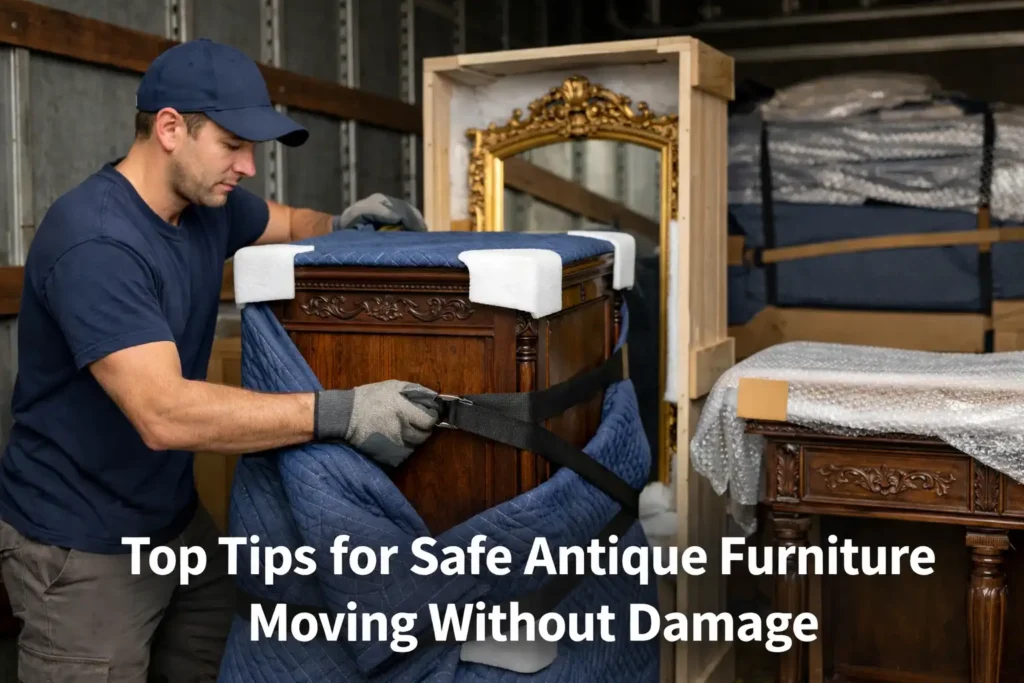
Moving antique furniture is not the same as shifting regular household items. These pieces often carry high monetary value, historical importance, and emotional significance. Even minor scratches, joint stress, or moisture exposure during relocation can permanently reduce their value. That’s why homeowners planning a move—especially those working with professional packers and movers—need a dedicated, step-by-step checklist to ensure antiques remain protected from start to finish. Hiring experienced packers and movers ensures antique furniture is handled using specialised packing, lifting, and transportation techniques.
This expert checklist breaks down proven, damage-prevention practices used during antique furniture moving, focusing on preparation, packing, handling, transport, and post-delivery care.
Why Antique Furniture Needs Special Moving Care
Antique furniture requires specialised moving care because its materials, construction methods, and age make it far more vulnerable to damage than modern furniture.
Key reasons antiques are high-risk during moving:
- Aging materials are fragile
Wood, veneers, adhesives, and finishes weaken over time. Sudden movement, vibration, or pressure can cause cracks, joint separation, or surface flaking during transit. - Irreplaceable craftsmanship
Many antique pieces are handmade or produced using discontinued techniques. Damage cannot be “factory-repaired” like modern furniture, making prevention critical. - Minor damage leads to major value loss
Scratches, chipped corners, or warped panels can significantly reduce resale and appraisal value, even if the furniture remains usable. - Hidden structural weaknesses
Loose joints, old nails, or weakened legs may not be visible but can fail when lifted or tilted incorrectly. - Sensitivity to temperature and humidity changes
Antique wood and finishes expand or contract with environmental shifts, increasing the risk of warping or cracking during long-distance moves.
Why this matters for movers and homeowners:
Treating antiques like standard furniture—using generic packing, rushed handling, or improper vehicle placement—is one of the leading causes of irreversible moving damage. That’s why antique items must always be identified early and handled under a separate protection plan.
Understanding how professional movers handle high-risk items helps reduce irreversible damage during relocation.
Pre-Move Preparation Tips for Antique Furniture
Proper preparation before packing begins is one of the most effective ways to prevent antique furniture damage during a move. Experts consistently highlight that most moving-related losses occur due to poor planning, missing documentation, or overlooked weaknesses in antique items.
Essential pre-move preparation steps:
- Conduct a detailed condition inspection
Examine each antique closely for existing cracks, loose joints, veneer lifting, surface scratches, or weakened legs. Identifying fragile areas in advance helps determine packing and handling requirements. - Document current condition with photos and notes
Take clear photographs from multiple angles, including close-ups of vulnerable areas. This documentation supports damage assessment after delivery and is critical for insurance or claims, if needed. - Create a dedicated antique inventory list
Maintain a separate inventory for antique and high-value furniture rather than mixing it with general household items. This ensures antiques receive priority handling and aren’t overlooked during loading or unloading. - Measure furniture and access points in advance
Check doorways, staircases, elevators, and corridors to confirm whether items can pass through safely. Tight spaces increase the risk of impact damage if not planned properly. - Plan special handling requirements early
Determine in advance if any item will need custom crating, partial disassembly, upright transport, or climate considerations. Planning these details early prevents last-minute handling errors on moving day.
This documentation is also essential if you need to file a claim under transit insurance during house shifting.
Why this step is critical:
Pre-move preparation creates a controlled environment for antique furniture handling. Without proper inspection and documentation, even professional packing efforts may fail to protect items that already have hidden vulnerabilities.
Proper Packing Materials for Antique Furniture Safety
Using the correct packing materials is critical when moving antique furniture, as unsuitable materials can cause surface damage, moisture retention, or pressure stress during transit. Unlike modern furniture, antiques require protective layering that cushions without reacting chemically or physically with aged materials.
Essential packing materials checklist:
- Acid-free packing paper for surface protection
Antique wood finishes and veneers should first be wrapped in acid-free paper to prevent discoloration, chemical reactions, or finish transfer during transit. - Furniture blankets and quilted pads for impact absorption
Thick moving blankets help absorb shocks, prevent scratches, and reduce vibration damage when furniture shifts slightly inside the moving vehicle. - Bubble wrap as a secondary cushioning layer
Bubble wrap should only be used over protective paper or padding, never directly on polished wood or antique finishes, as trapped moisture and pressure marks can occur. - Foam sheets and corner protectors for delicate edges
Ornate carvings, legs, and corners are high-impact zones. Foam padding provides structured protection without compressing fragile details. - Custom wooden crates for high-value or fragile antiques
Items with glass panels, marble tops, intricate carvings, or unusual shapes benefit from custom crating, which offers rigid protection against bending, vibration, and stacking pressure during long-distance transport. - Straps, stretch wrap, and padding separators
Straps should be used only to secure padded furniture—not directly on surfaces—to prevent shifting without causing compression damage.
Why material choice matters:
Improper packing materials—such as low-quality plastic, newspaper, or exposed tape—can cause finish damage, moisture buildup, or permanent surface impressions. Correct materials act as both physical and environmental protection, reducing the most common causes of antique furniture damage during moving.
How to Pack Antique Wooden Furniture Without Damage
Antique wooden furniture is especially vulnerable during moving due to aged joints, delicate finishes, and sensitivity to moisture and pressure. Incorrect wrapping or handling can lead to surface scratches, joint separation, or long-term warping. Proper packing focuses on surface protection, joint stability, and controlled airflow.
Checklist for safely packing antique wooden furniture:
- Clean surfaces gently before packing
Remove dust using a soft, dry cloth only. Avoid chemical cleaners, polishes, or water, as residues can react with aged finishes and become abrasive during transit. - Apply acid-free paper as the first protective layer
Acid-free paper acts as a barrier between the wood finish and outer padding, helping prevent finish transfer, discoloration, or surface marking. - Pad wrap using furniture blankets
After the initial wrap, cover the item with thick moving blankets to protect against scratches, knocks, and vibration inside the truck. - Protect joints, legs, and carved areas individually
Weak joints and protruding details should be reinforced with additional padding, as these are common failure points when furniture is lifted or repositioned. - Avoid airtight plastic directly on wood
Wrapping antique wood tightly in plastic can trap moisture, increasing the risk of warping or finish damage—especially during long-distance or climate-variable moves. - Secure wrapping without over-tightening
Use stretch wrap or straps over padded layers only. Excessive compression can stress joints and deform older wood structures.
Why this approach works:
Antique wood reacts differently than modern materials. Layered protection—combined with airflow control and joint support—reduces the most common causes of damage, including cracking, loosening, and surface abrasion during relocation.
How to Pack Antique Glass, Marble, and Fragile Pieces
Antique furniture that includes glass, marble, or other brittle materials faces a high risk of cracking or shattering during a move. These materials do not absorb shock well, making layered protection, vertical positioning, and rigid support essential for damage prevention.
Checklist for packing antique glass, marble, and fragile components:
- Remove detachable glass and marble parts when possible
Mirrors, glass shelves, tabletops, and marble tops should be separated from the main furniture frame to reduce stress and prevent impact damage during transport. - Apply a protective paper layer before cushioning
Wrap glass and marble surfaces first with acid-free paper to prevent scratching and surface abrasion before adding cushioning layers. - Use bubble wrap and foam padding in multiple layers
After the initial wrap, add bubble wrap and foam sheets to absorb shocks and vibrations encountered during loading and transportation. - Tape protective layers securely without contacting surfaces
Packing tape should only secure the outer wrapping layers and must never touch glass edges or finished surfaces directly, as adhesive residue can cause damage. - Pack fragile items in an upright (vertical) position
Glass panels and mirrors are less likely to crack when transported vertically rather than laid flat, which concentrates stress across the surface. - Use rigid crates for high-value or heavy stone pieces
Marble tops and large mirrors benefit from custom wooden crating that prevents flexing, pressure, and impact during long-distance moves. - Clearly label fragile orientation and handling instructions
Mark packages with “FRAGILE” and “THIS SIDE UP” to guide careful handling during loading and unloading.
Why these steps matter:
Glass and marble antiques fail suddenly under stress, unlike wood which may show gradual damage. Structured wrapping combined with vertical transport and rigid support significantly reduces breakage risk during relocation.
Disassembly and Labeling Tips for Antique Furniture
Disassembly can significantly reduce the risk of damage when moving antique furniture, but only when done carefully and selectively. Improper dismantling or poor labeling often leads to lost parts, weakened joints, or incorrect reassembly after delivery.
Checklist for safe disassembly and labeling:
- Disassemble only where structurally appropriate
Antique furniture should never be forced apart. Only removable components such as legs, glass panels, shelves, or detachable frames should be disassembled, as excessive dismantling can weaken aged joints. - Remove handles, knobs, and decorative hardware
Protruding fittings are vulnerable to bending or snapping during transit. Removing them reduces impact risk and protects delicate detailing. - Store hardware in sealed, labeled bags
Screws, bolts, brackets, and fittings should be placed in zip-lock bags, clearly labeled with the furniture name and part description to avoid misplacement. - Secure hardware bags to the main furniture item
Attach labeled hardware bags to the corresponding furniture piece using tape over padding, ensuring they remain with the item throughout the move. - Label disassembled components clearly
Use tags or masking tape on padded areas to indicate orientation, part order, or reassembly sequence. Clear labeling reduces handling errors and speeds up safe reassembly after delivery.
Why this step is critical:
Antique furniture often relies on precision-fit components. Proper disassembly and clear labeling prevent stress on fragile joints and ensure that each piece can be safely and accurately reassembled without further damage.
Safe Lifting and Handling Techniques for Antiques
Improper lifting is one of the most common causes of antique furniture damage during moving. Antique items often have uneven weight distribution, weakened joints, and fragile decorative elements, making correct handling techniques essential for safety.
Checklist for safe lifting and handling of antique furniture:
- Assess weight and balance before lifting
Antique furniture may be heavier or unbalanced due to solid wood construction or hidden reinforcements. Evaluating weight distribution in advance helps prevent sudden tipping or joint stress. - Use sufficient manpower for each item
Heavy or oversized antiques should always be lifted by multiple people. Attempting solo lifts increases the risk of drops, joint failure, and surface damage. - Lift from the base or strongest structural points
Never lift antique furniture by arms, backs, or decorative features. Stress should be applied only to load-bearing sections such as the base or frame. - Use proper moving tools to reduce strain
Furniture dollies, lifting straps, and sliders help distribute weight evenly and minimise direct handling pressure on fragile components. - Maintain controlled, slow movements
Sudden jerks, sharp turns, or uneven lifting can loosen joints and cause cracks. Controlled handling reduces impact stress during transitions. - Avoid dragging or tilting unnecessarily
Dragging antique furniture across floors or uneven surfaces can damage legs, joints, and bases. Items should always be lifted or supported with proper tools.
Why correct handling matters:
Antiques are less forgiving than modern furniture. Correct lifting techniques protect both the furniture and the handlers, reducing the likelihood of structural damage that may not be immediately visible but worsens over time.
Loading and Placement Tips Inside the Moving Vehicle
Even well-packed antique furniture can suffer damage if it is loaded incorrectly inside the moving vehicle. Proper placement, weight distribution, and secure positioning are essential to prevent shifting, pressure damage, and vibration-related stress during transit.
Checklist for safe loading and placement of antique furniture:
- Load antique furniture strategically, not randomly
Antiques should be loaded in stable areas of the truck where movement is minimal. Placing them last or in designated sections helps ensure controlled unloading and reduces handling risks. - Position antiques upright whenever possible
Tall cabinets, mirrors, and wooden furniture should be kept upright and aligned against padded truck walls to distribute weight evenly and reduce flexing. - Avoid stacking heavy items on antique furniture
Pressure from stacked boxes or appliances can crush joints, deform frames, or crack surfaces. Antiques should never bear load from other items. - Use padding between furniture and truck walls
Thick moving blankets or foam barriers should separate antiques from metal truck walls to protect against vibration, abrasion, and temperature transfer. - Secure items with straps over padded surfaces only
Ratchet straps or tie-downs should be tightened over protective padding to prevent shifting without compressing or damaging the furniture. - Leave space to absorb road vibration
Slight spacing between items allows padding to absorb shocks from uneven roads, reducing stress on joints and fragile components.
Why vehicle placement matters:
Most transit damage occurs not from distance, but from movement inside the truck. Correct placement and secure positioning significantly reduce vibration, impact, and pressure-related damage during transportation.
If you’re relocating antiques within or from Bangalore, working with experienced packers and movers in Bangalore ensures proper vehicle placement and vibration control.
Transportation Safety Tips for Long-Distance Antique Moves
Long-distance transportation exposes antique furniture to extended vibration, temperature changes, and humidity fluctuations. These factors can cause joint loosening, surface cracking, warping, or finish damage if not properly controlled. Safe transport focuses on stability, environmental awareness, and route planning.
Checklist for long-distance antique furniture transportation:
- Minimise vibration through layered cushioning
Continuous road vibration is a major cause of structural stress in antiques. Adequate padding, tight positioning, and spacing between items help absorb shocks during transit. - Avoid exposure to extreme temperature changes
Antique wood and finishes expand and contract with temperature variation. Sudden heat or cold exposure increases the risk of cracking, warping, or veneer separation. - Manage humidity to protect wood and finishes
High humidity can swell wood and loosen joints, while overly dry conditions can cause shrinkage and cracks. Controlled airflow and protective wrapping help reduce moisture-related damage. - Secure items to prevent shifting during braking or turns
Sudden stops and sharp turns can cause antiques to collide with other items. Proper strapping over padded surfaces keeps furniture stable throughout the journey. - Plan routes that reduce road impact where possible
Smooth highways and well-maintained roads help limit vibration and jolts compared to uneven or poorly surfaced routes.
Why long-distance care is different:
Damage during extended transport is often gradual and invisible until delivery. Controlling vibration and environmental exposure throughout the journey is essential to preserve antique furniture integrity over long distances.
Unloading and Reassembly Tips After Delivery
The final stages of a move are just as critical as packing and transport when it comes to antique furniture safety. Rushing unloading or immediate reassembly can expose antiques to temperature shock, alignment issues, or unnoticed transit damage.
Checklist for safe unloading and reassembly of antique furniture:
- Unload antique furniture first into a controlled area
Antiques should be placed in a stable, dry space away from heavy traffic to prevent accidental bumps or pressure during unloading. - Inspect items before removing protective wrapping
Compare each piece with pre-move photographs and notes to identify any visible damage while protective layers are still in place. - Allow furniture to acclimatise before full unpacking
Sudden exposure to indoor temperature and humidity changes can stress antique wood and finishes. Allowing time to settle helps reduce the risk of warping or cracking. - Reassemble using original hardware only
Mixing or replacing original screws and fittings can affect structural integrity. Carefully reattach labeled hardware in the correct sequence. - Ensure proper alignment and stability after assembly
Check that legs, joints, and frames sit level before placing items in their final position. Misalignment can create long-term stress on weakened joints. - Avoid immediate heavy use after placement
Allow furniture time to settle into the new environment before placing heavy objects or applying pressure.
Why post-move care matters:
Many antique furniture issues appear days after a move due to environmental stress or improper reassembly. Careful unloading and patient reassembly help preserve both appearance and structural integrity.
Common Mistakes That Cause Antique Furniture Damage
Most antique furniture damage during moving is not caused by accidents—it’s caused by avoidable mistakes. These errors often stem from treating antiques like modern furniture or skipping critical protection steps that aged materials require.
Checklist of common mistakes to avoid:
- Using plastic wrap directly on antique wood surfaces
Direct plastic contact can trap moisture against aged finishes, increasing the risk of warping, mold growth, and finish damage during transit. - Skipping pre-move documentation and condition checks
Without photos and written condition notes, existing damage can go unnoticed, and post-move assessment becomes difficult—especially for insurance or dispute resolution. - Over-tightening straps and wrapping materials
Excessive compression from straps or tight wrapping can stress joints, crack veneers, or deform older wood structures. - Improper lifting from weak or decorative areas
Lifting antiques by arms, backs, or carvings places stress on non-load-bearing parts, often leading to fractures or joint failure. - Stacking heavy items on antique furniture inside the truck
Weight pressure from boxes or appliances can permanently damage frames and surfaces, even if no immediate breakage is visible. - Rushing unpacking and reassembly after delivery
Immediate unwrapping or use without acclimatization can expose antiques to temperature and humidity shock, increasing long-term damage risk.
Why avoiding these mistakes matters:
Antique furniture damage is often cumulative and irreversible. Preventing these common errors significantly reduces risk and demonstrates responsible handling aligned with professional moving standards.
FAQs on Safe Antique Furniture Moving
Bubble wrap should not be applied directly to antique wood surfaces. It can trap moisture and create pressure marks on aged finishes. A protective layer such as acid-free paper should always be used first, followed by padding or bubble wrap as a secondary layer.
Yes. Standard mover liability coverage is often weight-based and may not reflect the true value of antiques. Separate valuation and full-value or specialised coverage provide better financial protection in case of damage or loss.
Some smaller or low-risk antiques can be moved with careful DIY planning. However, high-value, fragile, oversized, or long-distance antique moves carry higher damage risk and are better handled by experienced movers with appropriate equipment and packing methods.
Antique wood and finishes react to temperature and humidity changes. Allowing furniture to acclimatise before full unwrapping or use reduces the risk of cracking, warping, or joint stress after transportation.
The most common causes include improper packing materials, incorrect lifting techniques, stacking heavy items on antiques, and ignoring environmental factors such as humidity and vibration during transport.
Yes, professional packers typically use foam sheets as the first protective layer and bubble wrap as a secondary cushioning layer to handle both surface protection and impact resistance.
Expert Conclusion: Safe Antique Furniture Moving Requires Precision, Not Guesswork
Antique furniture moving is a discipline that sits at the intersection of craftsmanship preservation, material science, and logistics planning. Unlike modern furniture, antiques respond unpredictably to vibration, pressure, humidity, and temperature changes. As this checklist shows, most damage is preventable when the move is approached with structured preparation, correct materials, trained handling, and post-move acclimatisation.
From pre-move documentation and acid-free packing layers to controlled vehicle placement and careful reassembly, each step plays a role in protecting both the structural integrity and long-term value of antique furniture. Ignoring even one of these steps can result in damage that is difficult—or impossible—to reverse.
For homeowners, the key takeaway is simple: antique furniture should never be treated as routine household cargo. Whether moving locally or long-distance, applying expert-backed handling practices significantly reduces risk and preserves the legacy embedded in every antique piece.
Trusted Antique Furniture Moving with 6 Packers and Movers
If you’re planning to move antique or high-value furniture, working with experienced packers and movers can make the difference between preservation and permanent damage.
6 Packers and Movers help connect you with verified movers who understand:
- Antique-safe packing techniques
- Custom crating and protective materials
- Careful loading and vibration-controlled transport
- Insurance-backed handling for high-value furniture
Move your antiques with confidence—because some things can’t be replaced.