
What to Do With Boxes After Moving
After moving, you can reuse sturdy boxes for storage, sell or donate usable cartons, recycle clean cardboard, repurpose boxes for household use, or safely dispose of damaged ones. Sorting boxes by condition helps reduce waste and keeps your home organized.
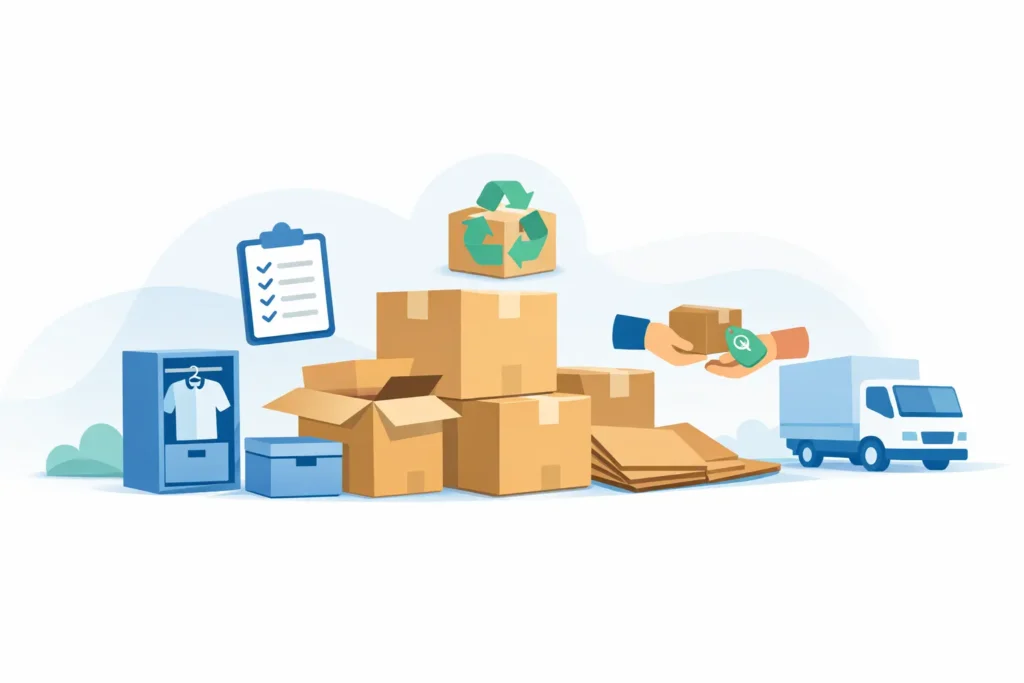
After completing a home relocation, many people are left wondering what to do with the pile of cardboard boxes stacked around their new space. While it may be tempting to discard them immediately, moving boxes can still serve several practical purposes if handled correctly. From reuse and resale to recycling and professional collection, there are multiple responsible options available. Knowing the right approach helps reduce waste, saves money, and keeps your home organized after shifting. If you’re planning or have recently completed a relocation with professional Packers And Movers, managing boxes efficiently becomes an important final step in the moving process.
Unpack Strategically Before Deciding What to Do With Boxes
Before deciding whether to reuse, recycle, or discard your moving boxes, it is important to unpack in an organized and methodical way. Checking the condition of each box helps you determine whether it is still suitable for storage or reuse. Boxes that are crushed, torn, moisture-damaged, or greasy may lose their strength and should not be reused, as they can collapse and damage stored items. Flattening empty boxes early also helps reduce clutter and frees up space in your new home.
Key checks to perform while unpacking
- Inspect boxes for structural strength and intact corners
- Look for signs of moisture, mold, or grease stains
- Separate sturdy boxes from damaged ones
- Flatten boxes immediately after emptying
Benefits of strategic unpacking
- Makes it easier to identify reusable boxes
- Prevents unsafe storage of weak cartons
- Reduces clutter during post-move setup
Box Condition | Recommended Action |
Clean and sturdy | Reuse or store |
Slight wear but intact | Short-term storage |
Moist, torn, or greasy | Recycle or discard |
Reuse Moving Boxes for Storage and Organization
Once unpacking is complete, sturdy moving boxes can still be useful for short-term or seasonal storage. Many people reuse moving boxes to store items that are not required daily, such as extra household goods, books, or seasonal belongings. Reusing boxes helps reduce waste and keeps leftover packing materials functional instead of occupying unnecessary space. However, boxes should always be stored in clean, dry, and pest-free areas to maintain their strength and usability over time.
Professional movers also advise planning box usage in advance, which is why understanding how to choose reliable packers and movers can help ensure better packing quality and reusable materials.
Use Boxes for Seasonal Storage (Clothes, Decor, Files)
Moving boxes are commonly reused to store off-season clothing, festive decorations, old files, and toys. Keeping such items in labeled boxes makes them easier to access when needed and reduces the need for buying new storage containers. Only boxes that remain structurally strong should be used for this purpose.
Label and Stack Boxes for Easy Future Access
Proper labeling is essential when reusing boxes for storage. Clearly marked boxes allow quick identification of stored items and help maintain an organized storage area. Stacking boxes neatly also saves space and reduces the risk of damage caused by uneven weight distribution.
Reinforce Boxes for Long-Term Storage
If boxes are being reused for longer periods, it is recommended to use only clean and sturdy cartons. Boxes that show signs of weakening may not be suitable for long-term use. Ensuring the boxes are placed on flat surfaces and not overloaded helps maintain their shape and strength.
Store Boxes in Dry, Pest-Free Areas
Moisture and pests can quickly damage cardboard boxes. For this reason, boxes should be kept away from damp areas such as basements or garages that are prone to water exposure. Dry indoor storage spaces help extend the life of reusable boxes and protect stored belongings.
Common items suitable for box storage
- Seasonal clothing and bedding
- Festival and decorative items
- Books and documents
- Children’s toys and hobby materials
Storage Tip | Purpose |
Use dry locations | Prevents moisture damage |
Label boxes clearly | Easy identification |
Avoid overloading | Maintains box strength |
Stack evenly | Prevents collapse |
Sell or Give Away Moving Boxes
After unpacking, many moving boxes remain in good condition and can be reused by others. Instead of discarding them, selling or giving away boxes is a practical way to reduce waste and recover some value. Many people successfully pass on their boxes through local marketplaces, neighborhood groups, or direct sharing. This approach helps clear space quickly while supporting others who are planning an upcoming move.
Sell Boxes Online Through Local Marketplaces
Used moving boxes are commonly sold through online platforms that connect local buyers and sellers. Listing boxes online allows movers to earn back a small portion of their moving costs while ensuring the boxes are reused instead of discarded. Clean and sturdy boxes are more likely to attract buyers.
Offer Free Boxes in Community Groups
If selling is not a priority, offering boxes for free through community groups or neighborhood forums is a quick way to get rid of them. Many people actively search for free moving boxes, especially those planning short-distance relocations. Giving boxes away also helps reduce landfill waste.
Donate Boxes to Small Businesses or NGOs
Small businesses, schools, charities, and community organizations often accept cardboard boxes for packing, storage, or distribution purposes. Donating boxes can be helpful for organizations that regularly ship or store supplies and need packing materials.
Share Boxes With Friends or Neighbors Planning a Move
Sharing boxes with friends, relatives, or neighbors who are preparing for a move is one of the easiest ways to reuse packing materials. This option requires minimal effort and ensures that boxes are reused immediately without additional transportation or processing.
Best practices before selling or giving away boxes
- Ensure boxes are clean and dry
- Remove old labels and tape where possible
- Separate sturdy boxes from damaged ones
- Clearly mention box sizes and quantities
Option | Best For |
Selling boxes | Recovering moving costs |
Giving away | Fast clearance |
Donating | Community use |
Sharing locally | Immediate reuse |
Recycle Moving Boxes the Right Way
When moving boxes are no longer suitable for reuse or donation, recycling becomes the most responsible option. Most cardboard moving boxes can be recycled if they are clean, dry, and free from contaminants. Proper recycling helps reduce landfill waste and supports environmentally responsible disposal after relocation. However, boxes that contain grease, food residue, or excessive moisture are usually not accepted by recycling facilities.
Knowing whether boxes are damaged during transit also depends on how goods are protected, which is explained in detail under what transit insurance covers during house shifting.
Understand Which Boxes Are Recyclable
Standard cardboard boxes are generally recyclable, provided they are in acceptable condition. Boxes that remain structurally intact and free from contamination are suitable for recycling. Heavily damaged or soiled cartons may need to be discarded according to local waste rules.
Remove Tape, Staples, and Plastic Before Recycling
Before placing boxes into recycling bins, it is recommended to remove packing tape, plastic wraps, labels, and staples. Flattening the boxes also makes transportation easier and allows recycling centers to process the material more efficiently.
Locate Local Recycling Centers or Pickup Services
Many areas offer curbside cardboard recycling or designated drop-off points at local recycling centers. Checking local recycling guidelines ensures that boxes are disposed of correctly and accepted by the facility.
Avoid Recycling Boxes Contaminated With Food or Oil
Cardboard boxes that have absorbed food residue, grease, or oil are typically rejected by recycling facilities. Such contamination affects the recycling process and may require disposal through regular waste channels instead.
Steps for proper box recycling
- Check boxes for cleanliness and dryness
- Remove tape, plastic, and labels
- Flatten boxes to save space
- Follow local recycling rules
Box Condition | Recycling Action |
Clean and dry | Recyclable |
Tape attached | Remove before recycling |
Food or oil stains | Not recyclable |
Wet or moldy | Dispose as waste |
Repurpose Boxes for Practical Household Uses
In addition to storage or recycling, moving boxes can be repurposed for various practical household needs. Many people find creative and functional ways to reuse cardboard boxes around the home, reducing waste and extending the usefulness of packing materials. Repurposing boxes is especially helpful immediately after moving, when temporary solutions are often required.
Use Boxes for Kids’ Play, Crafts, or School Projects
Cardboard boxes are frequently repurposed for children’s activities such as play structures, craft projects, or school assignments. Boxes can be transformed into simple playhouses, forts, or creative models, offering an inexpensive and reusable material for play and learning.
Convert Boxes Into Drawer Dividers or Organizers
Boxes can be cut and shaped into drawer dividers or storage organizers for cupboards, desks, or wardrobes. This method helps keep small household items organized without purchasing additional storage products. Repurposed cardboard organizers are commonly used for office supplies and accessories.
Protect Floors or Furniture During Renovation
Some homeowners reuse flattened cardboard boxes to protect floors or furniture during minor renovation, painting, or cleaning work. Cardboard acts as a temporary protective layer, helping prevent scratches or dust accumulation.
Use Boxes for Gardening or Compost Support
Cardboard boxes are sometimes used in gardening as weed barriers, compost layers, or seed-starting materials. Cardboard can break down naturally over time, making it useful for certain garden-related applications when free of tape or plastic.
Common household repurposing ideas
- Kids’ play and craft materials
- Drawer and shelf organizers
- Temporary floor protection
- Gardening and compost support
Repurpose Idea | Practical Benefit |
Kids’ play use | Creative reuse |
Drawer dividers | Better organization |
Floor protection | Prevents damage |
Gardening use | Natural breakdown |
When to Dispose of Moving Boxes Safely
Not all moving boxes can be reused, sold, or recycled. Boxes that are heavily damaged, weakened, or contaminated may need to be disposed of safely. Identifying such boxes early helps prevent storage issues, safety risks, and unnecessary clutter. Proper disposal also ensures compliance with local waste management practices and reduces environmental harm.
Identify Boxes That Are No Longer Reusable
Boxes that have lost their structural strength due to tearing, moisture exposure, or grease stains are generally unsuitable for reuse or storage. Using damaged boxes can lead to breakage or injury, making disposal the safer option.
Cut and Compress Boxes Before Disposal
Flattening and cutting boxes before disposal helps reduce volume and makes handling easier. Compressed cardboard takes up less space in waste bins and allows for more efficient disposal or transport to waste facilities.
Follow Local Waste Disposal Rules
Waste disposal rules vary by location, and it is important to follow local guidelines when discarding cardboard boxes. Some areas require cardboard to be separated from general waste, while others may have size or quantity limits for disposal.
Avoid Burning or Illegal Dumping of Boxes
Burning cardboard or dumping it illegally can harm the environment and may violate local regulations. Responsible disposal through approved waste or recycling channels helps prevent environmental damage and legal issues.
Signs a box should be disposed of
- Severe tearing or collapse
- Mold or moisture damage
- Food or oil contamination
- Loss of shape or strength
Disposal Step | Purpose |
Flatten boxes | Saves space |
Separate waste | Proper handling |
Follow local rules | Legal compliance |
Avoid burning | Environmental safety |
How Professional Packers and Movers Can Help Post-Move
After relocation, professional packers and movers can assist not only during transportation but also with post-move box management. Many moving companies offer services that help customers deal with leftover packing materials in an organized and eco-friendly way. These services reduce post-move stress and help households clear space faster after unpacking.
These post-move services are typically offered as part of full relocation support, which you can explore under our packers and movers services.
Box Buy-Back or Box Collection Services
Some moving companies provide box buy-back or box collection services after the move is completed. This allows customers to return unused or reusable boxes to the mover instead of disposing of them independently. Such services help ensure boxes are reused for future moves rather than discarded .
Eco-Friendly Disposal by Professional Movers
Professional movers may also assist with eco-friendly disposal by collecting boxes for recycling or reuse. This reduces the burden on customers to locate recycling facilities and helps promote responsible waste management practices.
Storage Solutions Offered by Packers and Movers
Some movers provide storage solutions where packing materials and boxes can be stored temporarily. This option is useful for customers who plan to reuse boxes in the near future or require time before deciding on disposal.
Tips From Movers to Reduce Box Waste in Future Moves
Moving service providers sometimes recommend alternatives such as reusable moving containers instead of single-use cardboard boxes. Using such options can significantly reduce box waste in future relocations.
How movers help after relocation
- Collection of used boxes
- Assistance with recycling or reuse
- Temporary storage options
- Guidance on reducing packing waste
Service Type | Post-Move Benefit |
Box collection | Quick space clearance |
Eco-friendly disposal | Reduced waste |
Storage support | Flexible reuse |
Waste reduction advice | Sustainable moving |
Quick Checklist – What to Do With Boxes After Moving
After completing your move, this checklist helps you quickly decide the most suitable action for each box based on its condition and usability. These steps summarize commonly recommended post-move practices and make box management easier and more organized .
Keep
- Boxes that are clean, dry, and structurally strong
- Boxes needed for short-term or seasonal storage
- Boxes you may reuse for an upcoming move
Reuse
- Store seasonal clothes, decorations, or documents
- Use for household organization or temporary protection
- Repurpose for kids’ activities or gardening support
Sell or Donate
- Sell sturdy boxes through local marketplaces
- Give away boxes via community or neighborhood groups
- Donate boxes to small businesses or community organizations
Recycle
- Recycle clean and dry cardboard boxes
- Remove tape, labels, and plastic before recycling
- Flatten boxes to save space and improve processing
Dispose
- Discard boxes that are torn, moldy, or contaminated
- Follow local waste disposal rules
- Avoid burning or illegal dumping
Box Status | Recommended Action |
Clean and strong | Keep or reuse |
Light wear | Donate or sell |
Food/oil stains | Dispose |
Moist or moldy | Dispose |
Read More Moving Advice
Need Help After Moving? Let 6 Packers And Movers Handle the Rest
Managing leftover boxes after shifting can be time-consuming and confusing—especially when you’re settling into a new home. Instead of worrying about box reuse, recycling, or disposal, let 6 Packers And Movers help you complete your move the right way.
Whether you need professional packing materials, post-move support, or guidance for a stress-free relocation, our verified packers and movers ensure a smooth moving experience from start to finish. We help reduce post-move clutter and support responsible handling of packing materials so you can focus on settling in.