
Move It or Sell It? An Expert Comparison to Help You Make the Right Decision Before Relocation
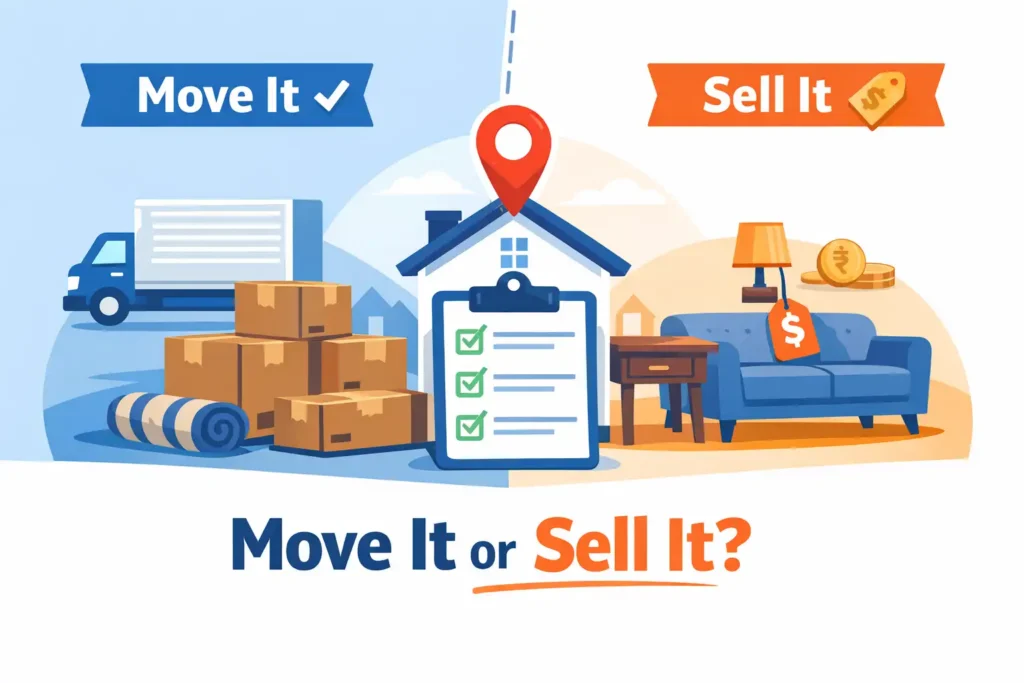
Relocation is not just about shifting houses—it’s about deciding what truly deserves a place in your new home. One of the biggest pre-move questions homeowners face is whether to move existing belongings or sell them before relocation. This decision directly impacts moving costs, effort, risk, and overall peace of mind. Consulting professional Packers And Movers early can help evaluate this choice objectively and avoid costly mistakes.
Understanding the Core Dilemma Before You Move
Why This Decision Impacts Your Entire Relocation Budget
Moving costs are largely determined by volume, weight, and distance. Household shifting charges can range from a few thousand rupees for small local moves to significantly higher amounts for full intercity relocations. Transport charges, manpower, packing materials, and handling fees together form the largest expense in any move. The more items you decide to move, the higher the total relocation cost becomes—often exceeding the replacement value of older or low-utility items. You can understand these cost components in detail through our packers and movers cost guide.
Emotional Attachment vs Practical Reality
Many people hold on to furniture, appliances, or household goods due to emotional attachment rather than practical value. While sentimental items may be irreplaceable, most everyday belongings depreciate over time and add to packing complexity and transport risk. Relocation planning guides consistently advise separating emotion-driven decisions from cost-benefit decisions, especially for bulky or replaceable items.
Common Pre-Move Decision Mistakes People Make
A frequent mistake is postponing the move-or-sell decision until the last moment. This often results in rushed packing, higher mover charges, and missed resale opportunities. Another common error is assuming that all items are “worth moving” without evaluating transport cost, insurance needs, or resale potential. Industry relocation checklists highlight that early evaluation significantly reduces financial loss and last-minute stress.
Cost Comparison: Is It Cheaper to Move or Sell?
Cost of Packing, Loading, and Transportation
The primary cost of moving household goods comes from packing materials, labor for loading and unloading, and transportation charges. These costs increase with the size of the household, distance of relocation, and type of items being moved. For local relocations, charges may remain moderate, but intercity moves often see a sharp rise due to fuel costs, tolls, and longer handling time. This is why households with bulky or low-value items often find that transport costs outweigh the benefits of moving them.
To control these costs, many people shortlist essential items for relocation and rely on professional packers and movers only for goods that justify the expense.
Insurance and Risk Coverage Costs
Transit insurance is an added but optional expense during relocation. It protects household items against damage, loss, or mishandling during transit. While insurance provides financial security, it also increases the overall moving budget, especially when high-value items are declared. This makes insurance cost a critical factor when deciding whether an item should be moved or sold. Knowing exactly what transit insurance covers during house shifting helps determine whether an item is worth moving or selling.
Resale Value vs Replacement Cost Analysis
Used household items—especially furniture and electronics—generally sell at a lower price compared to their original purchase value. Resale platforms suggest pricing second-hand goods significantly below retail to attract buyers quickly. When the expected resale value plus replacement cost is lower than the expense of moving and insuring the item, selling becomes the financially smarter option.
Hidden Costs Most People Ignore
Apart from visible moving charges, several hidden costs influence the final decision. These include appliance dismantling and reinstallation fees, temporary storage charges, disposal costs for unsold items, and delays that increase labor expenses. Many relocation planning resources emphasize that overlooking these hidden costs often leads to budget overruns and post-move regret. Many people are surprised by costs that are not included in initial quotations.
Item-Wise Evaluation: What Makes Sense to Move?
Furniture: Bulky, Heavy, and Cost-Sensitive Items
Furniture is often the most expensive category to move because of its size, weight, and packing requirements. Beds, wardrobes, sofas, and dining tables significantly increase transportation volume, which directly raises relocation costs. Relocation planning resources note that older or low-quality furniture usually has limited resale value, making it financially inefficient to move over long distances. In such cases, selling and repurchasing at the destination is often more cost-effective.
Appliances: Age, Warranty, and Transport Risk
Appliances such as refrigerators, washing machines, and air conditioners involve both transport and reinstallation costs. Moving guides highlight that appliances with remaining warranty, recent purchase value, or high replacement cost are generally worth relocating. However, older appliances nearing the end of their lifecycle may incur higher repair risks after transit, reducing the value of moving them.
Electronics: Fragility and Technology Depreciation
Electronics depreciate faster than most household items due to frequent technology upgrades. Televisions, desktop computers, and audio systems require specialized packing to avoid damage during transit, which increases moving expenses. Selling older electronics before relocation and upgrading later is often recommended when replacement costs are comparable to moving and insurance expenses.
Personal and Sentimental Belongings
Items with emotional or sentimental value—such as family heirlooms, photographs, and personal collections—are typically irreplaceable. Relocation guides advise prioritizing these items for careful packing, additional protection, or personal transport rather than resale. Their value lies in emotional significance rather than market price, making selling an unsuitable option.
Items with Low Resale but High Utility
Some household items may not fetch a good resale price but are still frequently used, such as basic kitchenware, tools, or storage containers. Moving resources suggest evaluating whether the inconvenience and replacement effort outweigh the transport cost. In short-distance moves, relocating such items may be practical, whereas long-distance relocations may justify replacing them instead.
When Selling Your Belongings Is the Smarter Choice
Long-Distance and Intercity Relocations
As relocation distance increases, transportation charges, fuel costs, and handling time rise significantly. Intercity moves often involve multiple loading and unloading points, increasing both cost and risk. Relocation planning guides indicate that moving bulky or low-value items over long distances can cost more than their resale or replacement value, making pre-move selling a financially sensible option. For long-distance moves, comparing local vs intercity moving costs helps decide which items are economical to transport.
International Moves and Customs Restrictions
International relocation introduces additional challenges such as customs regulations, documentation, higher freight charges, and extended transit times. Many moving advisories recommend selling non-essential household items before an international move to reduce shipping volume and avoid customs-related delays or expenses. Keeping only essential and high-value items simplifies the process and reduces overall relocation risk.
Moving Into a Smaller or Furnished Home
When relocating to a smaller residence or a furnished rental, space constraints become a major factor. Large furniture items may not fit the new layout or may duplicate existing furnishings. Housing and relocation guides suggest selling oversized or unnecessary items before the move to avoid storage costs and clutter at the destination.
Items Near the End of Their Life Cycle
Household goods such as aging appliances, worn-out furniture, and outdated electronics often require repairs after relocation due to transit stress. Moving such items may lead to additional maintenance expenses without long-term benefit. Relocation resources advise selling or responsibly disposing of items nearing the end of their usable life instead of transporting them.
Time, Effort, and Convenience: Moving vs Selling
Time Required to Sell Items Individually
Selling household items before relocation requires time for listing, responding to inquiries, negotiating prices, and coordinating pickups. Online resale platforms note that while popular items may sell quickly, others can take days or even weeks depending on demand and pricing. This timeline needs to be factored into relocation planning, especially when the move date is fixed.
Effort Involved in Coordinating Buyers and Pickups
Beyond time, selling items demands continuous effort. Sellers must manage multiple buyer conversations, ensure item condition at pickup, and sometimes arrange transport. Relocation planning articles highlight that this process can become stressful when combined with packing, documentation, and travel preparations.
Convenience of Professional Packing and Moving
Hiring professional packers and movers simplifies the relocation process by consolidating packing, loading, transport, and unloading under one service. This convenience reduces personal involvement and physical effort, especially for large households. Moving guides consistently note that while professional services add cost, they significantly reduce coordination workload and time pressure.
Stress Comparison: DIY Selling vs Professional Relocation
Managing item sales while preparing for a move can increase mental load, particularly when deadlines are tight. On the other hand, professional relocation reduces task fragmentation but introduces dependence on service quality and timelines. Consumer relocation resources emphasize balancing personal capacity, available time, and stress tolerance when choosing between selling items independently or moving them professionally.
Risk Factors: Damage, Depreciation, and Loss
Risk of Physical Damage During Transit
Household goods are exposed to multiple handling stages during relocation, including packing, loading, transit, and unloading. Fragile and bulky items are particularly vulnerable to scratches, breakage, or structural damage if not packed and handled properly. Relocation advisories highlight that damage-related complaints are among the most common post-move issues, especially when items are poorly packed or transported over long distances.
Depreciation of Old Items After Moving
Most household items lose value over time, regardless of relocation. Furniture and electronics, in particular, depreciate with age and usage. Moving older items does not restore their value and may even accelerate wear due to transit stress. Relocation planning resources recommend factoring depreciation into the move-or-sell decision, especially for items already near the end of their functional life.
Theft, Misplacement, and Handling Risks
Although uncommon with verified service providers, risks such as misplacement or loss of items during transit do exist. Multiple loading points, shared transport, or improper inventory tracking can increase this risk. Relocation guides advise maintaining detailed item lists and choosing professional handling options to reduce exposure to such losses.
How Transit Insurance Changes the Equation
Transit insurance offers financial protection against damage or loss during relocation, but it also increases the total moving cost. Insurance premiums are typically calculated based on the declared value of goods. Relocation advisories recommend using insurance selectively—primarily for high-value or fragile items—rather than insuring all belongings indiscriminately.
Expert Perspective: How Packers and Movers Help You Decide
Pre-Move Survey and Item Assessment
Before finalizing relocation costs, professional movers usually conduct a pre-move survey. This assessment helps evaluate the volume, weight, fragility, and handling requirements of household goods. Such surveys allow movers to advise which items are practical to relocate and which may not justify the transport cost. Early assessment reduces last-minute changes and prevents unnecessary expenses. A proper survey also helps you ask the right questions before hiring packers and movers.
Cost-Benefit Analysis Based on Item Value
Relocation planning resources recommend a simple cost-benefit comparison for each major item—comparing its moving cost (including packing and insurance) against its resale and replacement value. Movers often guide customers through this comparison during quotation discussions, helping prioritize high-value and essential belongings while excluding low-utility items.
Customized Moving Plans Based on Item Category
Professional movers offer flexible service options such as partial packing, fragile-only packing, or full-service relocation. This allows households to move only selected items while selling or donating the rest. Such customized plans help reduce overall costs and ensure that high-risk or high-value items receive appropriate protection.
Professional Guidance on What Not to Move
Experienced relocation professionals often advise against moving items such as worn-out furniture, outdated electronics, or low-cost household goods that are cheaper to replace than transport. This guidance is based on handling risk, depreciation, and long-distance transport economics, helping households make informed and practical decisions.
Decision Checklist: Move It or Sell It?
Questions to Ask Before Moving Any Item
Before deciding to move or sell a household item, relocation planning guides recommend asking a few practical questions:
- Is the item expensive or difficult to replace at the destination?
- Does it have personal or sentimental value?
- What is the estimated cost of packing, transporting, and insuring it?
- Will it fit and be useful in the new home?
Answering these questions helps filter out items that add cost without offering long-term value. If you are still unsure, reviewing a professional hiring checklist for packers and movers can clarify your next steps.
Quick Yes/No Decision Framework
A commonly suggested framework is to compare moving cost versus replacement cost. If the total cost of moving an item (including insurance and reinstallation) is higher than the cost of replacing it after relocation, selling the item before the move is usually the better option. This simple evaluation is frequently highlighted in relocation planning resources for faster decision-making.
Category-Wise Decision Guide
Relocation advisories provide broad guidance by item category:
- High-value, low-volume items such as personal documents or heirlooms are better moved with extra care.
- Bulky, low-value furniture is often recommended for selling before long-distance moves.
- Appliances with remaining warranty or high replacement cost may be worth relocating.
This category-wise approach simplifies decision-making for large households.
Final Cross-Check Before Booking Movers
Before confirming relocation services, it is advised to finalize the item list, review insurance coverage, and reassess items marked for selling. Relocation checklists emphasize that this final review helps avoid unnecessary charges, packing delays, and post-move dissatisfaction.
Making the Right Choice Before Relocation
When Moving Your Belongings Makes More Sense
Moving your belongings is generally the right choice when the items are high in value, difficult to replace, or emotionally significant. Household goods that are lightweight relative to their worth, recently purchased appliances with active warranties, and items required immediately at the new location often justify relocation costs. Relocation planning resources emphasize that these items benefit from professional packing and careful handling rather than resale.
When Selling Before Relocation Is the Better Option
Selling items before moving is more practical when belongings are bulky, heavily depreciated, or inexpensive to replace. Long-distance and intercity relocations amplify transport costs, making it inefficient to move low-value furniture, outdated electronics, or rarely used household goods. Relocation advisories consistently recommend selling such items to reduce load, cost, and risk.
Balancing Cost, Convenience, and Peace of Mind
For most households, the optimal approach is a balanced combination of moving and selling. High-value and essential items can be relocated professionally, while low-utility or replaceable goods can be sold in advance. This hybrid strategy reduces overall relocation expenses, simplifies packing, and minimizes post-move stress.
Expert Recommendation for a Stress-Free Move
A smooth relocation begins with early planning and informed decisions. Conducting a pre-move assessment, finalizing an item-wise decision list, and consulting experienced movers before booking services can prevent unnecessary costs and complications. Taking these steps allows you to relocate with clarity, control, and confidence.
Get Expert Help Before You Decide What to Move
Still unsure whether moving or selling your belongings makes more sense for your relocation? A professional evaluation can save you money, effort, and unnecessary risk.
With experienced Packers And Movers, you get:
- Pre-move item assessment
- Clear cost comparison for moving vs selling
- Guidance on high-risk and high-value items
- Customized relocation plans based on your actual needs
Talk to verified packers and movers today and make the right decision before you relocate.